On January 5, 2012 âFlatlinersâ became my first Movie Buff review. Thirteen years and 700+ reviews later, Iâve come a long, long way. I decided to tackle an epic for this â my 800th review.
âGone With the Windâ is one of those movies everyone has heard of. But I wonder, particularly in present times, how many have watched it. The film, based on a novel by Margaret Mitchell, was released in theaters on December 15, 1939. Covering a movie of this magnitude is difficult. Iâll expound upon that as we go. I have a great appreciation for film history, and the learning experience was a treat in itself.
The History
âGone With the Windâ is an undeniable titan of cinema. It would win a staggering ten Academy Awards, including Best Picture, Best Director, Best Actress, Best Supporting Actress, and Best Screenplay.

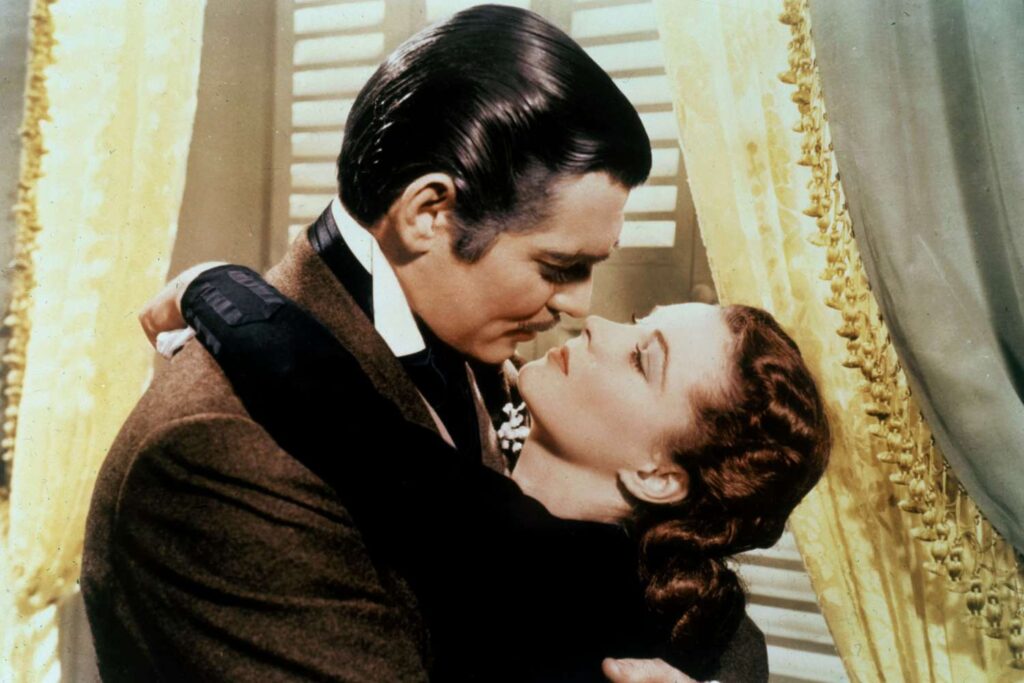
It was the first color film to win Best Picture. 86 years later, the film remains in the Top 10 for Oscar wins. In 1989, it became one of the twenty-five inaugural films selected for preservation in the United States National Film Registry.
The picture has remained popular since its release. Adjusted for inflation, it remains the highest-grossing film in history. Its premiere in Atlanta saw 300,000 attendees. The city held a three-day festival, including a costume ball, and a parade of limos shuttling the stars from the airport. Former President Jimmy Carter called it “the biggest event to happen in the South in my lifetime.â He was 15 at the time, but you get the idea. There hadnât been a movie this big up to that point, and I struggle to think of one that has come out like this since.
It hasnât gone by without criticism and controversies. The depiction of African Americans, slavery, and the Lost Cause of the Confederacy have come under scrutiny in recent years. Even as far back as the 1940s, characters and portrayals were condemned. Today, an on-screen disclaimer precedes the film.
The Stars
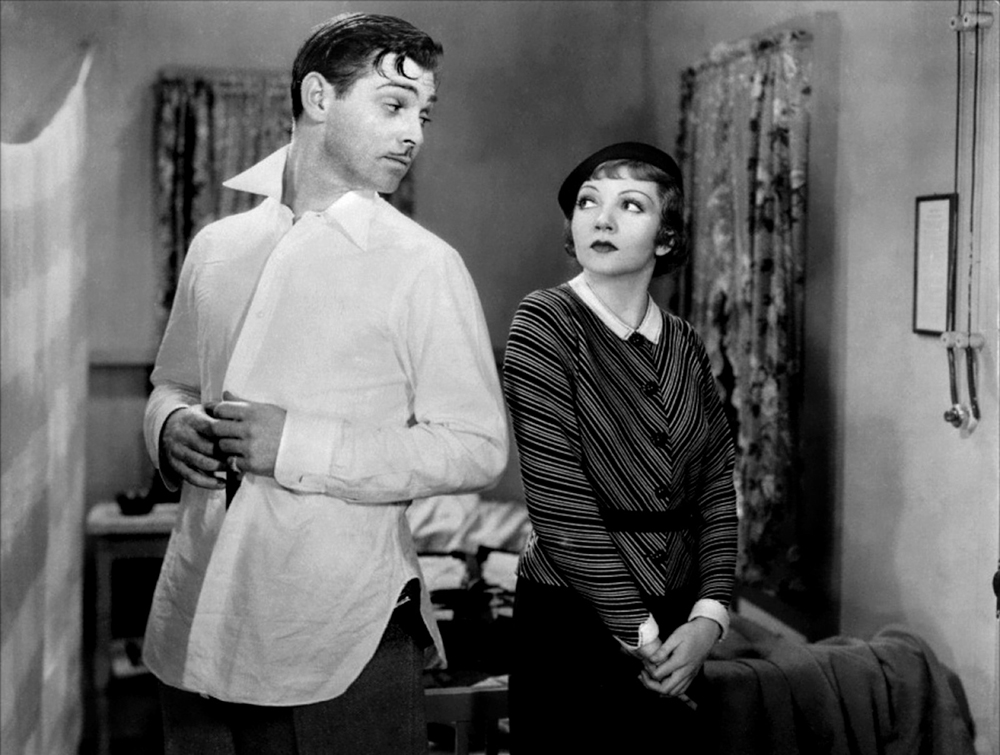
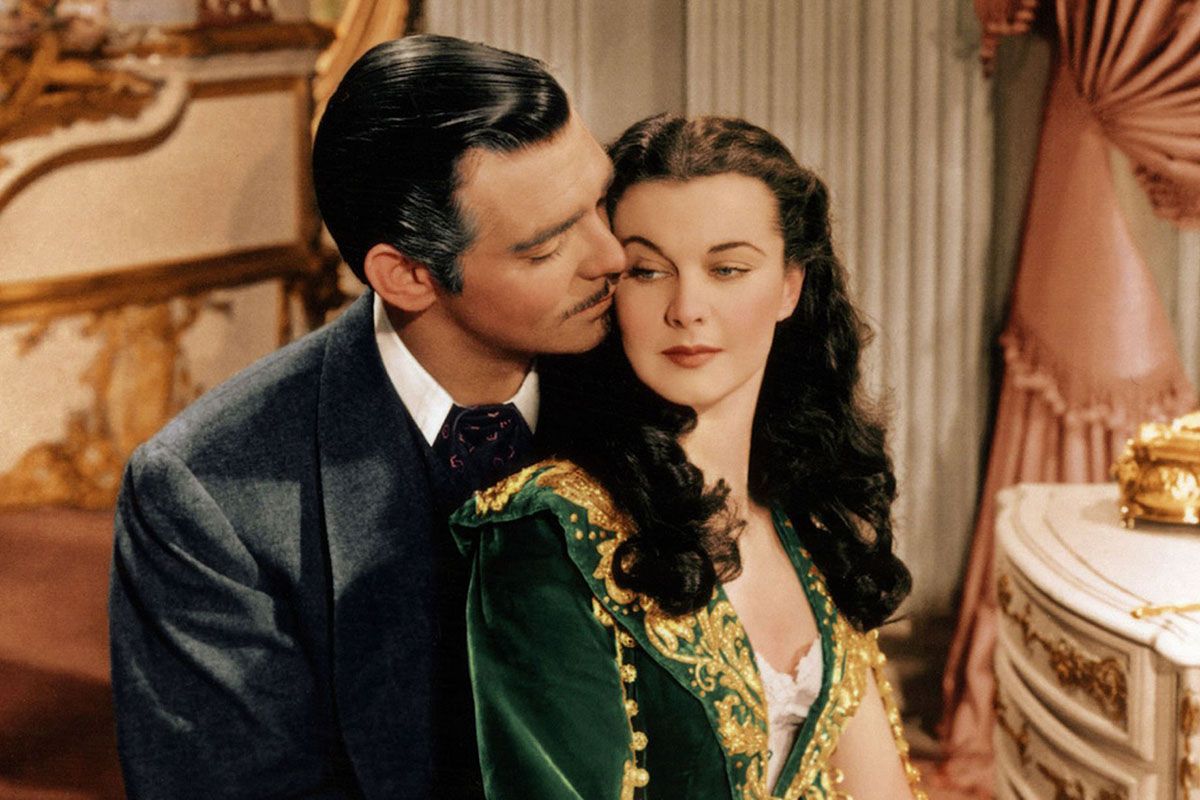
Itâs a large cast, but two names stand out. Vivien Leigh and Clark Gable are legendary figures from the Golden Age of Hollywood. Iâve seen both one other time. Gable in âIt Happened One Nightâ and Leigh in âA Streetcar Named Desire.â

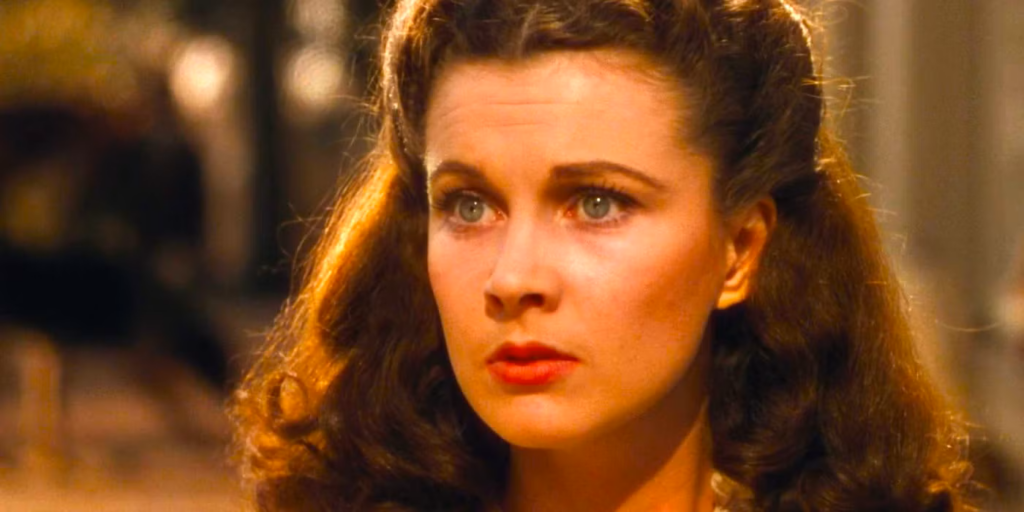
I was taken by the alluring beauty of Vivien Leigh. Perhaps it’s due to the film being in color, bringing out the siren like quality of her emerald green eyes. Despite the (many) negatives of the character she is portraying, Leigh has a captivating presence on screen that keeps you wanting more.
Clark Gable has the posture of an old school leading man. Not as pretty as Paul Newman or as rugged as Humphrey Bogart, Gable takes the best of both attributes to stand out. Though his character is something of a cuckold, he delivers the iconic line at the end in a way few could replicate.
To further emphasize the historical qualities, Bette Davis and Gary Cooper were also considered. A contract kept Cooper from auditioning. The holder of the contract being Samuel Goldwyn of Metro-Goldwyn-Mayer. Yes, this movie is super old.
Hattie McDaniel co-stars as Mammy. In doing so, she became the first African American to win an Academy Award. Georgiaâs Jim Crow laws barred her from attending that festive premiere I mentioned earlier. In response, Clark Gable threatened to boycott the event.
Leslie Howard plays Ashley Wilkes, a central character that goes off to fight in the Civil War and comes back as a hero. Ironically, Howard would perish in 1943 when Nazi Germany shot down a passenger plane he was travelling in.
Thomas Mitchell, recognizable as Uncle Billy in âItâs a Wonderful Lifeâ lends support. So does Butterfly McQueen who I donât know from anything else, but I love the name.
The Film
Spanning 12 years, the movie opens in 1861 on the eve of the American Civil War. Thereâs a list of characters and bios presented on screen. Itâs a big family. Thereâs a lot of reading. I was lost a few seconds in and kept my sights set on the stars.

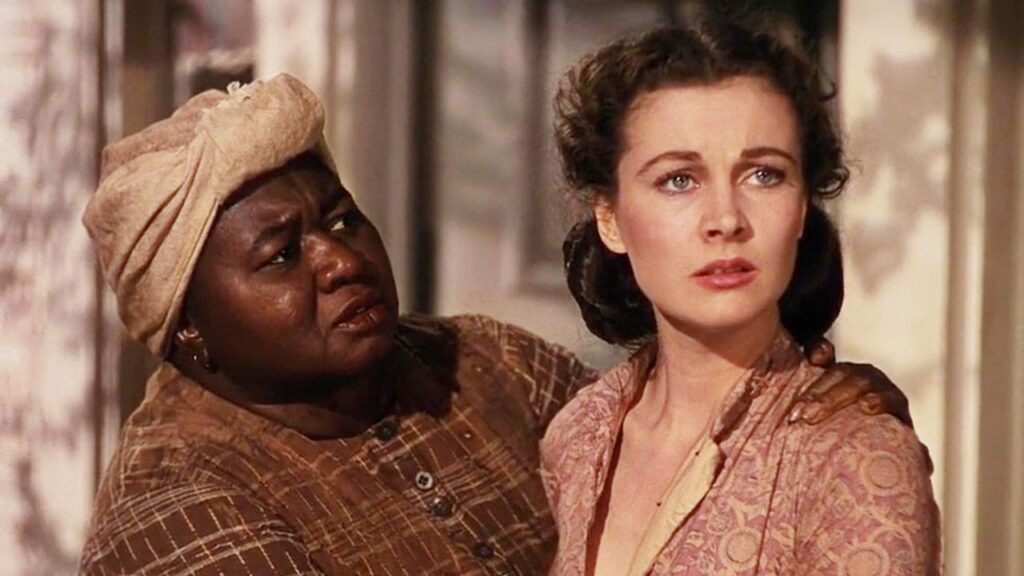
Scarlett O’Hara (Vivien Leigh) lives on her familyâs cotton plantation in Georgia. Scarlett is quite a looker, and an even bigger brat. We see dozens of gentlemen suitors stumbling and bumbling in the hopes of being her man.
Rhett Butler (Clark Gable) is identified as a mysterious visitor from Charleston. Butler is smooth, suave, and filthy rich. He takes a liking to Scarlett explaining to her that heâs âthe only man over 16 and under 60″ around. Ah the good ole days.
Despite Rhettâs fancies, the plantation heiress has feelings for Ashley Wilkes (Leslie Howard) who is engaged to her sister.
What I Liked
Director Victor Fleming puts us in the Antebellum South. The costumes are impractical â Scarlett is seen wearing a dress thatâs absurd for the conditions â but historically accurate. The story travels around Georgia, South Carolina, and Louisiana. Whilst filmed entirely in Hollywood, we are treated to atmosphere and imagery that works, though I wish some shots had been done on location.
The special effects are laughable at times, but I canât attack them for that. One funny moment depicts Scarlett clearly riding through a matte painting. Other moments are visually pleasing, and aesthetic even by todayâs standards. Fleming also directed âThe Wizard of Ozâ this same year, and similarities in style are noticeable.
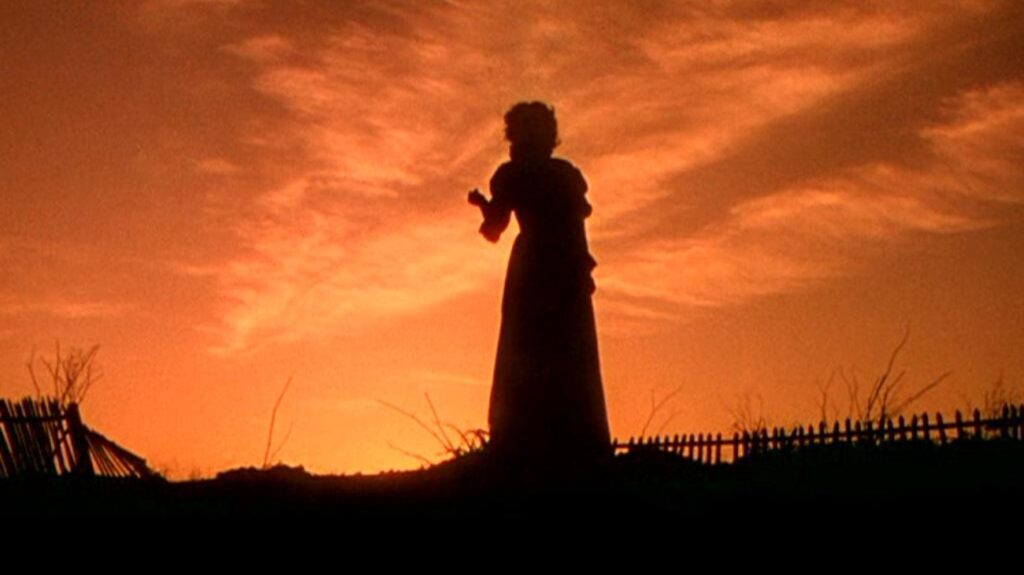
“Tara’s Theme” is the iconic score from composure Max Steiner. It’s enchanting and I absolutely loved it. It captures the romance and mystique of the story in a way most modern scores do not.
My Dislikes
The film clocks in at just under 4 hours and thatâs ridiculous. In fact, most critics deemed it too long even upon its release. I read that the original cut was over 6 hours, as the film tries to stick closely to the novel. As weâve learned in the decades since, a book can dive deep into characters and story where a film needs to be taut.
You can have a four-hour movie if the story warrants. The issue here is that it doesnât. There are numerous repetitive scenes, particularly in the beginning, which could easily be cut out. Itâs a love story. If Iâm being truthful, it wouldnât be my bag at 2 hours. I often opine about longer stories being better suited as six or eight episodes on Netflix or the like. âGone With the Windâ just isnât interesting enough for that modern facet to work either. My advice is to watch the movie in two or three parts.
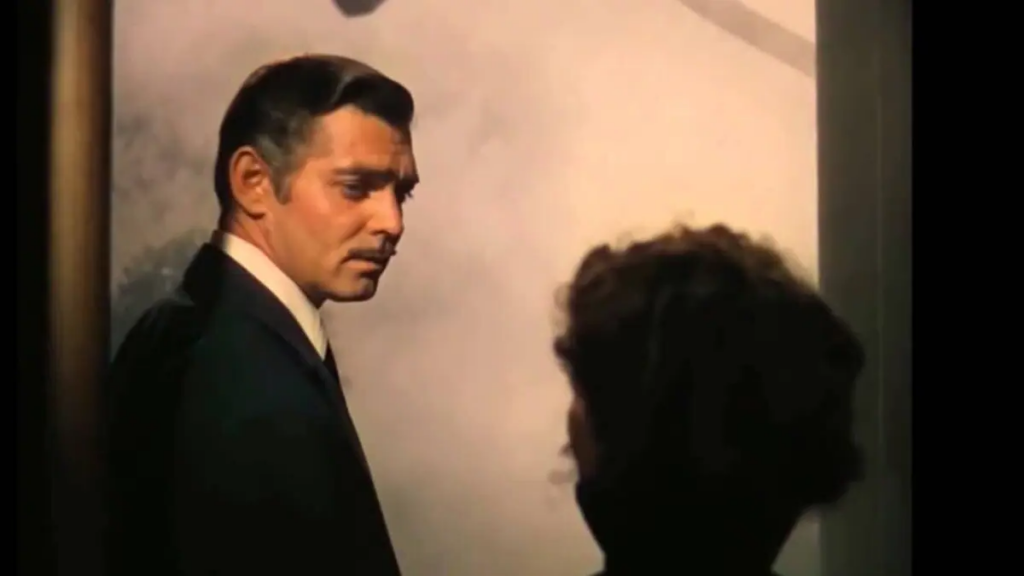
The film centers on Scarlett O’Hara. While my feelings for Vivien Leigh are bordering on obsessive, Scarlett O’Hara is an annoying and unlikeable person. I suppose thatâs the idea of the story, but in the movie, she doesnât grow at all from start to finish. Even when she takes over the running of the plantation, her demeanor is the same. Sheâs rich and spoilt, fine. Sheâs in love with her sisterâs husband, okay that adds drama. But thatâs about it. By the end (*spoilers*) when Rhett finally tells her off, youâll be cheering for him and not her.
Conclusion
âGone With the Windâ is a classic film and Iâm glad I finally watched it. Itâs cool to witness history and watch the performances of stars from a bygone era. I recommend anyone who hasnât seen it to check it out. More classic cinema is in my future.