





A cabin in the woods invites certain expectations. The very image suggests encroaching doom, an isolated space where tensions fester and reality distorts. In âWho By Fireâ (French: Comme le feu), Philippe Lesage doesnât deliver horror in the conventional senseâno masked killer or supernatural evil lurks in the treesâbut something more insidious unfolds. The filmâs unease takes inspiration from human nature: the way egos swell and clash, the suffocating weight of past grievances, and the ripple effect of dysfunction as it seeps into the next generation.
Employing a slow-burn approach in his study, Lesage helms a film that watches, lingers, and allows its disquiet to build so gradually that by the time it reaches its inevitable breaking point, the damage has long since been done.
Tensions Beneath the Surface Make the Retreat Feel Like a Trap
The journey to this fraught retreat is our first indication of Lesageâs direction: patient, observant, and uninterested in handholding. A car cuts through the forest in near silence, the opening sequence stretching out like an overture. Jeff (Noah Parker), a 17-year-old with a burgeoning interest in filmmaking, joins his best friend Max (Antoine Marchand-Gagnon) and Maxâs familyâhis sister, Aliocha (Aurelia Arandi-Longpre), and their father, Albert (Paul Ahmarani)âon a visit to Albertâs old friend, acclaimed director Blake Cadieux (Arieh Worthalter).
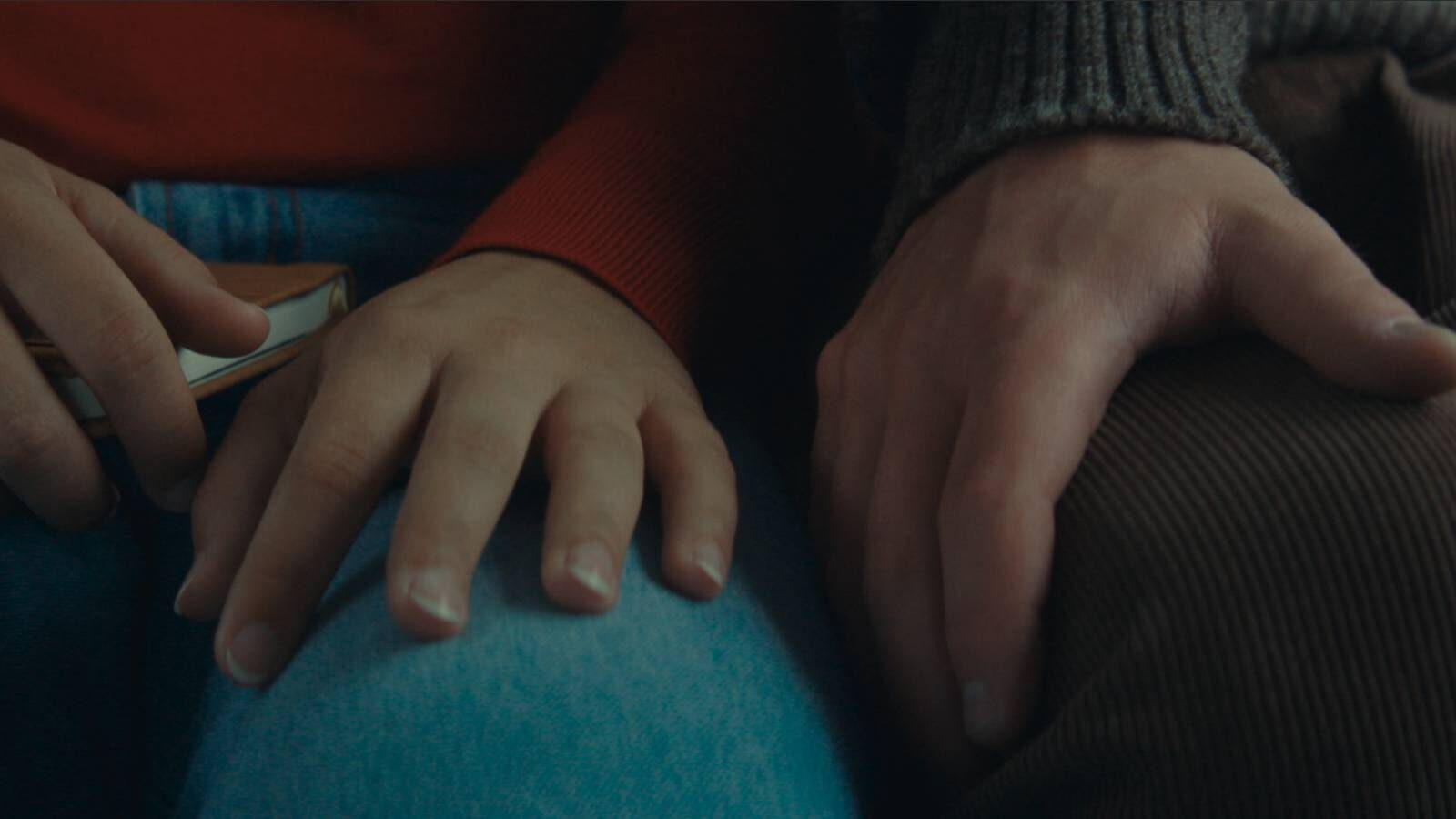
Jeff has his own motivations for tagging along: an unspoken crush on Aliocha and the hope that Blake, an idol of sorts, might recognize something in him. Lesage’s framing lays out these desires with utter subtletyâJeffâs body language, the way his hands twitch beside Aliocha, the uneasy glancesâgiving the film an immediate undercurrent of tension.
However, âWho By Fireâ isnât Jeffâs story alone. Lesage shifts perspectives fluidly, giving weight to the generational divides at play. What begins as a warm reunion between Albert and Blake soon exposes old wounds. The two men, once collaborators, now occupy very different spaces, one clinging to past glory, the other suffocated by perceived present mediocrity.
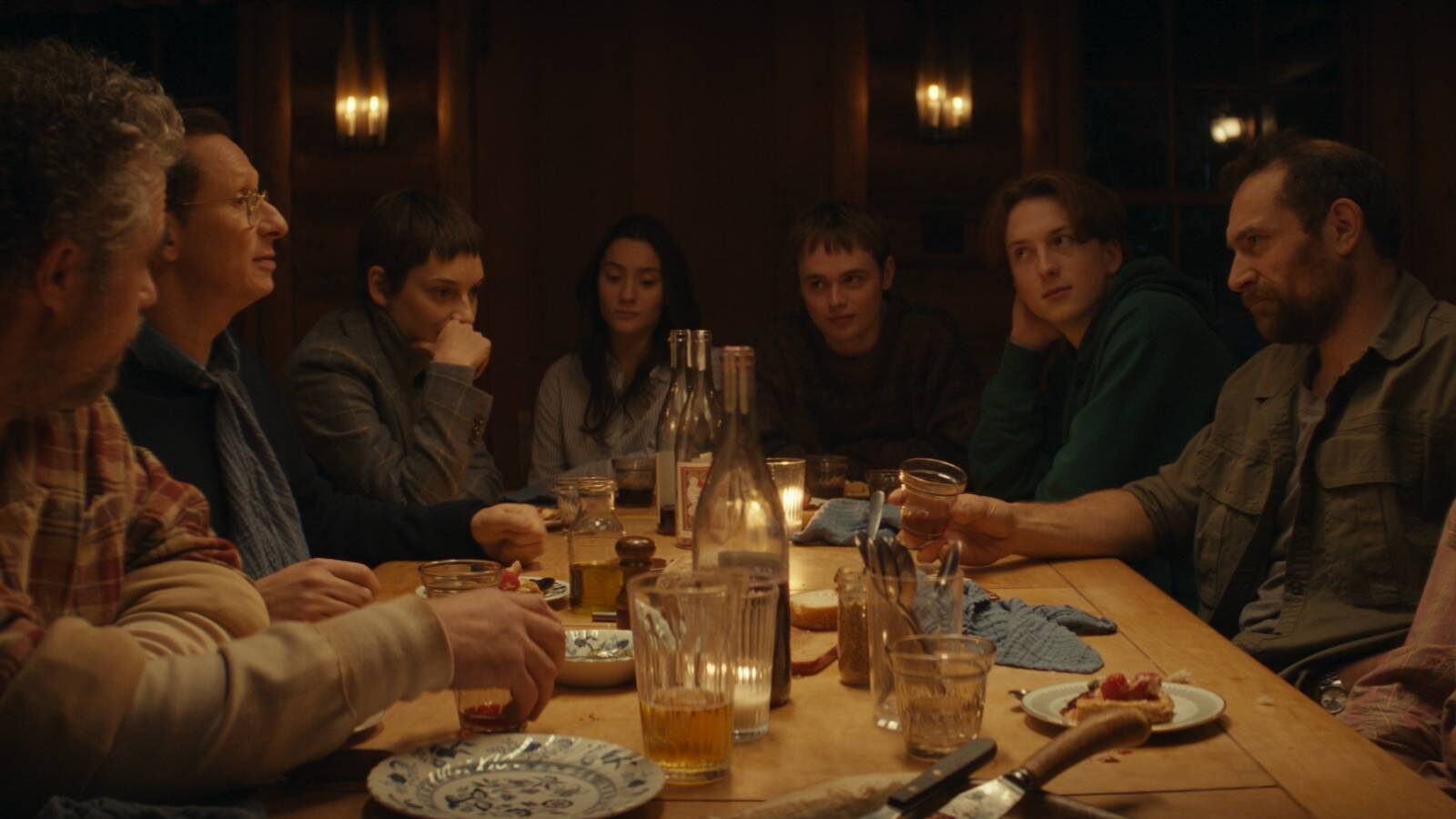
More than creative partners, however, they seemed to be genuine friends, tooâsomething Blake’s pleasantries upon their arrival to the cabin implied. He now has a chef whom he considers his new ‘best friend’, along with a creative partner (Sophie Desmarais) whose editing work he admires. Their dynamic takes center stage in extended dinner table sequences, where words cut sharper than any blade.
âWho By Fireâ: Lesageâs Artistry of Controlled Chaos
The brilliance here isnât in direct confrontation but in the way Lesage stages these interactions. Rather than isolating the warring parties in tight close-ups, the camera allows the entire table to exist within the frame. We see silent observers, shifting expressions, a growing discomfort that is just as vital as the verbal jousting. Here, Lesage doesnât want his characters to simply feel the tension. Instead, he demands said tension to be seen, absorbed, and passed down.
Lesageâs direction thrives in these quiet yet loaded moments. He lets scenes stretch, trusting his actors and cinematographer Balthazar Lab to do the heavy lifting. The filmâs visual language juxtaposes the rigid, dimly lit interiorsâwhere power struggles unfoldâwith the expansiveness of nature, a realm that offers escape but no real refuge. The contrast particularly comes to the fore in a later sequence involving a river expedition gone awry. Here, the illusion of control held by the adults is shattered against something far more untamed.
The film also establishes its psychological pressure from the beginning, where politeness and humor quickly give way to much more volatile moments, exposing long-buried resentments. This bitterness isnât contained within just the older generationâit spills over, infecting the younger ones. The teenagers bear witness to their eldersâ failures, absorbing their contradictions and disillusionments like secondhand smoke. âWho By Fireâ presents a world where power struggles are cyclical; where every generation watches the one before it stumble; and tries, in its own way, to avoid the same pitfalls.
When a Slow-Burn Film Really Means It
Nevertheless, not everything works as well as it should. The filmâs ambitious runtimeâclocking in at 160 minutesâmight test the patience of even those of us who appreciate deliberate pacing. At times, Lesage stretches tension to the breaking point, only to pull back just before delivering the catharsis his scenes seem to promise. The slow burn is intentional, but there are moments where it threatens to smother itself.
Moreover, the ensemble, while impressive, doesn’t get their just due. Unevenly served characters enter the fold with potential narrative weight, only to be left hovering on the periphery. The film gestures toward a sprawling chamber piece but ultimately coils back around its central figures, losing some of the richness that a more balanced approach could have achieved.
Two Performances That Anchor the Film
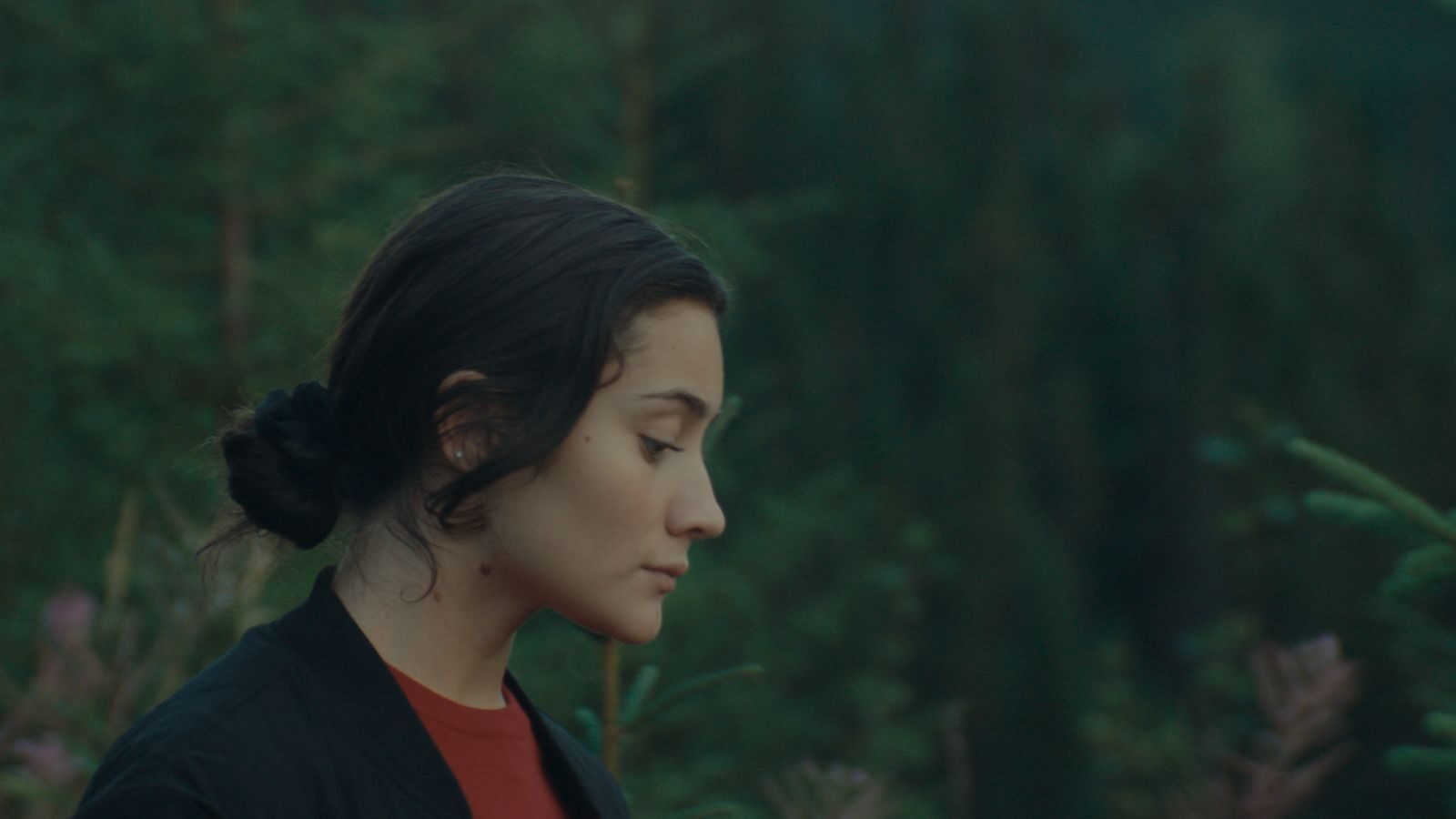
Even when âWho By Fireâ veers toward indulgence, Noah Parker and Aurelia Arandi-Longpre keep it grounded. Parker, playing Jeff with a mix of adolescent bravado and barely contained insecurity, perfectly captures the storm of emotions that come with being young and unsure of where one stands.
Arandi-Longpreâs Aliocha, on the other hand, is quiet but unshakableâa presence that feels both resolute and untouched by the petty rivalries unraveling around her. One of the filmâs most powerful moments comes when she begins singing John Grantâs âMarzâ in the aftermath of a traumatic event. The songâs nostalgic longing for childhood innocence takes on a new resonance here, as Lesage subtly underscores the stark contrast between the adultsâtrapped in their own cycles of resentmentâand the teenagers, who are, in their own way, growing beyond them.
By the end, itâs Jeff and Aliocha who seem to have gained something resembling clarity, while the adults remain lost in the weight of their own regrets. Unlike the adults, who masquerade as wise simply because of their years, the two teenagers actually evolve, shedding illusions and facing uncomfortable truths. Lesage doesnât offer them an easy way out, but in their silent understanding, thereâs something resembling genuine growthâsomething the older generation can only claim by technicality.


Philippe Lesage’s “Who By Fire” premiered at the 74th Berlin International Film Festival last February 17, 2024. It opens on March 14, 2025 at the Film at Lincoln Center. Follow us for more coverage.




