





âGabrielaâ is a short drama written and directed Evelyn Lorena, and an official entry into the 2025 Oscars. Itâs a story of an undocumented immigrant who longs to join a country club swim team, but remains outside looking in. But more than that, itâs the story of a family trying to make it on their own, the titular Gabriela having lost her father somewhere in the travel from Guatemala to the United States. Itâs also about dreams, and what having dreams for undocumented immigrants can often feel likeâlike a wish that canât come true. With good acting all aroundâand an emotional scopeââGabrielaâ is an earnest film, although a bit too short at 16 minutes to answer all its questions.Â
âGabrielaâ is mostly the story of two characters, the title character, played by Lorena, and her mother, Alma, played by MarÃa Telón. While the former looks through closed gate bars at a country club, carrying around a swimming textbook, the latter makes tamales and puts food on the table. She works a job she must take a bus to get to. âWeâre working people,â she cautions Gabriela as she talks about her swimming dreams. Alma isnât a bad person, but a realist. She recognizes being undocumented is a risk, and drawing attention to themselves isnât prudent. Sheâs also seems to have accepted her lot in life. Her peopleâLatinosâhave their station, she believes. As an aside she tells Gabriela itâs good she was born lighter skinned, as she can pass for Italian.Â
Hard Questions, Hard Truths
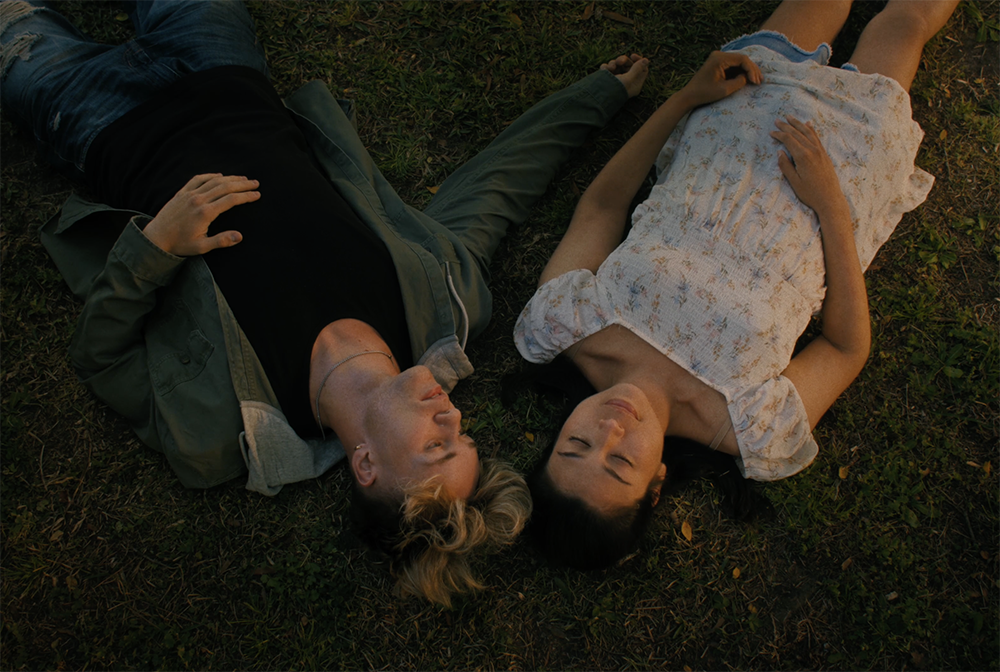
âGabrielaâ makes you think. But itâs most splendid moments are in the daydreams Gabriela engages in when she thinks of swimming, or conversations with a romantic interest, Stefan (Viktor White). A lazy conversation she has with Stefan, lying in a field, has the majesty of dreams. The cinematography by Xenia Patricia is restful and freeing during these scenes, as Gabriela talks of dreams in a wistful, yet just out-of-reach way. âWhy did God make me like this, if Iâm meant to be free?â she asks. Is âlike thisâ an undocumented immigrant? A Latina? A woman? The answers arenât forthcoming, but the questions roll off of Lorenaâs tongue like doleful philosophy. Â
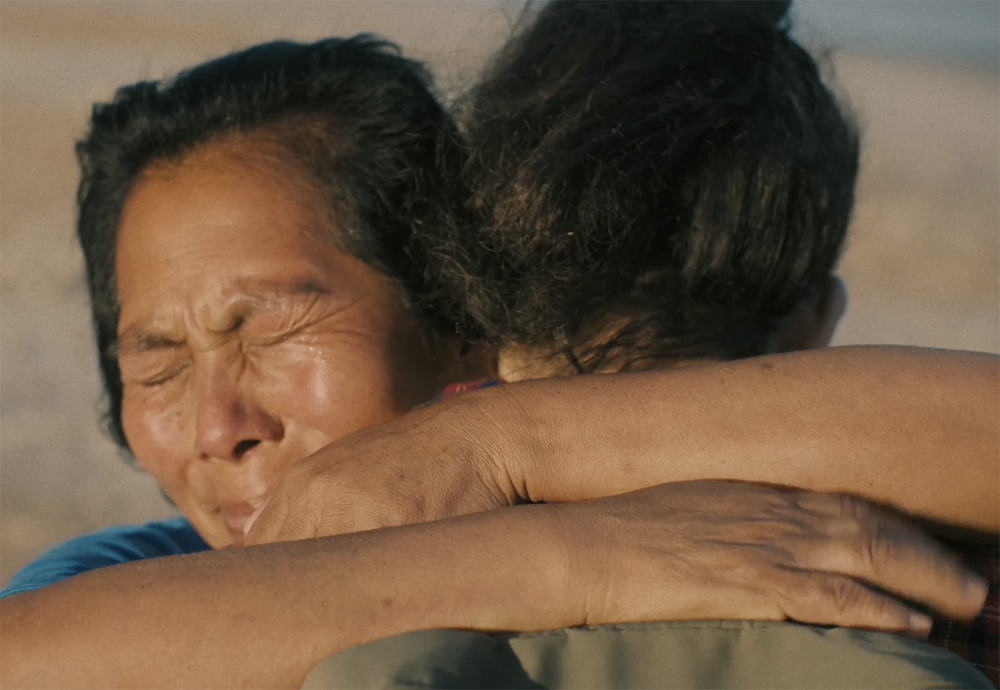
Lorenaâs short asks some tough questions, and makes its characters accept hard truths. But what I enjoyed most is it doesnât vilify its characters. Gabriela is young, and wants to discover her dreams. She also has just recently found out she and her family are undocumented. And while her mother did it to protect her, it sets up a conflict that is difficult to accept. However, âGabrielaâ doesnât want to make Alma a villain, but a real person who is doing her best. She misses her husband dearly, and Telón makes us believe the hurt in one touching scene. A scene where Gabriela waits with Alma for the bus to work makes us believe her pride and work ethic. She toils for her family; itâs doubtful she ever entertainsâpast a whisperâthings in her life that she wants.Â
Lorena and Telón are Pleasing
âGabrielaâ also hints at, subtly, themes of racism and unequal opportunities, but only in a quiet, realistâs sense, and in relation to how the its characters view themselves. As Gabriela puts a dab of white makeup on her hand next to a darker, brownish one, she asks silent questions. Is it better to be one or the other? Am I both? Meanwhile, the practical comments her mother makes lie before her eyes, but she only wants to live, to dream, and to be free.
Lorena portrays Gabriela with skill and tact. She lets us align with her and experience her hopes and dreams. This is hammered home with a score by Anjali Rose and vocals by Susan Lucas, along with floating, dreamlike images of clouds and oceans. Thereâs nothing forceful about âGabriela,â if thatâs the right word. Its writing and acting are gentle, and allow empathy. Itâs doubtful many Americans have contemplated the life of an undocumented immigrant. The film allows, softly, the lives and dreams of its Guatemalan family to become its focus. This isnât a film about calls to action, but living. Its greatest achievement is the soulful way it is presented.Â
An Empathy-laden Film
âGabrielaâ is a good film. Its takeaways are kind and warm, and it lets the audience feel what its characters feel. At 16 minutes, itâs somewhat short. I wish Lorena had added a few more minutes to explore the relationship between Alma and Gabriela, and to perhaps expound on the death of the family patriarch (Miguel Girona). There was touching and spirited history to expound upon, and I would have liked to see more. However, for its scope, âGabrielaâ accomplices most of its goals. Itâs an easy watch that allows you to feel its characters hopes and dreams. Itâs hard to find fault with that.Â

“Gabriela” won ‘Best Hispanic Heritage Short Film’ at this year’s Tacoma Film Festival. It is available to watch for free for a short time on Vimeo’s FYC channel, Vimeoâs Filmografia channel, Omeleto, and Film Shortage. It is also showing on the Smithsonian Institute’s streamer. Â You can watch the film’s trailer in the window below.Â





