When it was announced, âA Hidden Lifeâ (2019) drew the skeptics out of the woodwork. Do we need another war film? they asked. What more could we gain from another WWII movie? But much like Shikari Richardson on a track, Terrance Malick thrives behind a 12mm camera. Betting against him is risky.
Malickâs not just a director. Heâs a thinker and a deeply religious man. He wants nothing more than to peel back those facetious layers of humanity, allowing viewers to examine manâs nature laid bare. This remains true for all his films, from his early hits like âDays of Heaven (1978)â to his modern classic, âTree of Life (2011).â In the story of Franz Jägerstätters (played by August Deihl), Malick only needed to drop the clapperboard. The rest would flow like water.
A Meditation on Freedom vs. Suffering
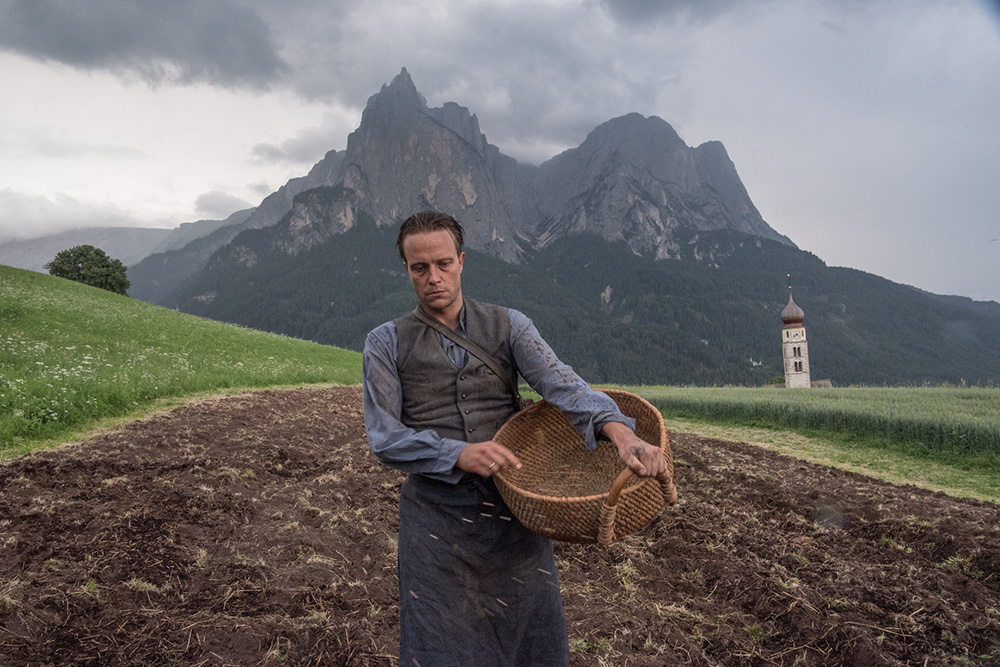
The true story of Franz Jägerstätters proves suffocating. His martyrdom in 1943 is a disturbing tale, brought to life by cinematic perfection. In the traditional Malik styleâlike watching someoneâs memoriesââA Hidden Lifeâ juxtaposed Franz and his familyâs lavish existence with his impending arrest for dodging the war.Â
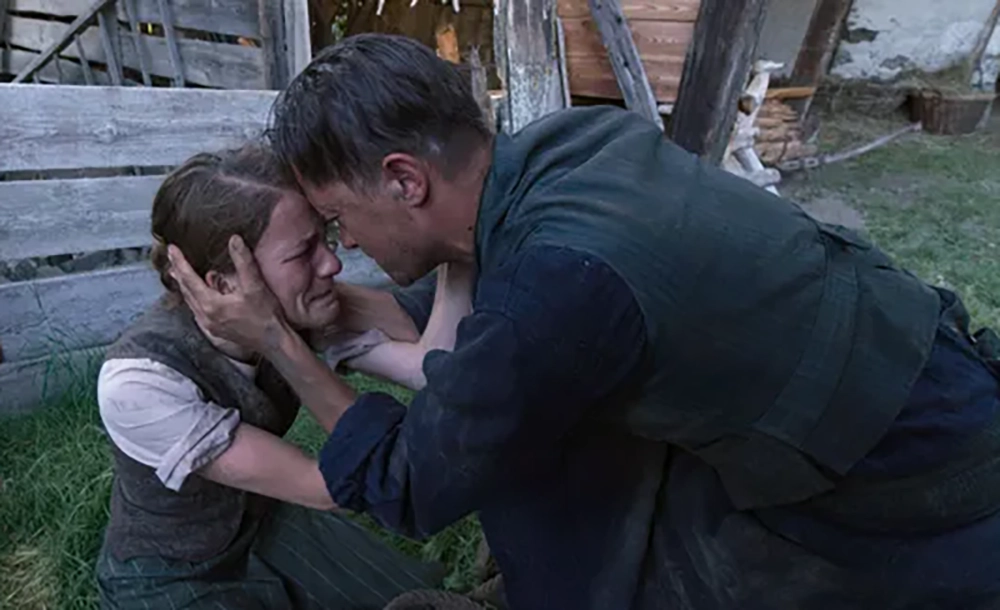
The movie takes its time to build speed. For a while, it serenades the viewer in the simple life of Austrian farmers: morning Mass, mundane farm tasks, and playing tag with laughing children. Itâs after Franzâs arrest that the film transforms into a beaten dog. Oscar-worthy acting performances come from Franz (Deihl) screaming and pounding his face into the walls of a Nazi prison, reflecting his cold reality, and meditating on the juxtaposition of freedom vs. suffering.Â
Posing a Challenge for Film-lovers Alike
People often despise Malickâs style for his lack of convention. If that’s you, maybe the aftertaste of âThe Tree of Lifeâ still lingering on your tongue, you should know that âA Hidden Lifeâ flows more coherently than other Malick films. Yes, the close-ups and abundance of montage-esque sequences remain, but you wonât need a notepad and pencil to keep track of the plotline. Of Malickâs movies post-âTree of Life,” âA Hidden Lifeâ remains the most grassroots to filmmaking, and in that sense, it perfectly balances an ingenuitive approach to movies without pretentiously breaking the rules.
After the credits, âA Hidden Lifeâsâ magnificent score, heavenly imagery, and eccentric performances will likely repeat in your mind for days, as will Jägerstättersâs crushing spiritual dilemma. If you’re seeking candy-and-popcorn movies to watch with your giggly group of friends, maybe keep âA Hidden Lifeâ on the shelf. But for those looking for a challenge, Christians, religious ânones,â and film critics alike will walk away from âA Hidden Lifeâ with something to chew on for weeks, maybe even months.Â