The short film âMoederâ (the Dutch word for mother), directed by Salomon Ligthelm, is a somber yet evasive film. It chroniclesâin just 20 minutesâthe tragic aftermath of the crash of Malaysia Airlines Flight MH-17 in 2014 after being struck by a Russian missile 30 miles from the Russia/Ukraine border. The film takes place from the point of view of a miner on the Russia/Ukraine border, who finds a phone ringing in his backyard. The film takes its time clueing us in as to what the phone is and who it belongs to. Ligthelm and co-Writers Luca Degani and Joshua Sullivan keep a sense of tension on the proceedings, while holding back explanationsâwhich is both the filmâs strength and its detriment.Â
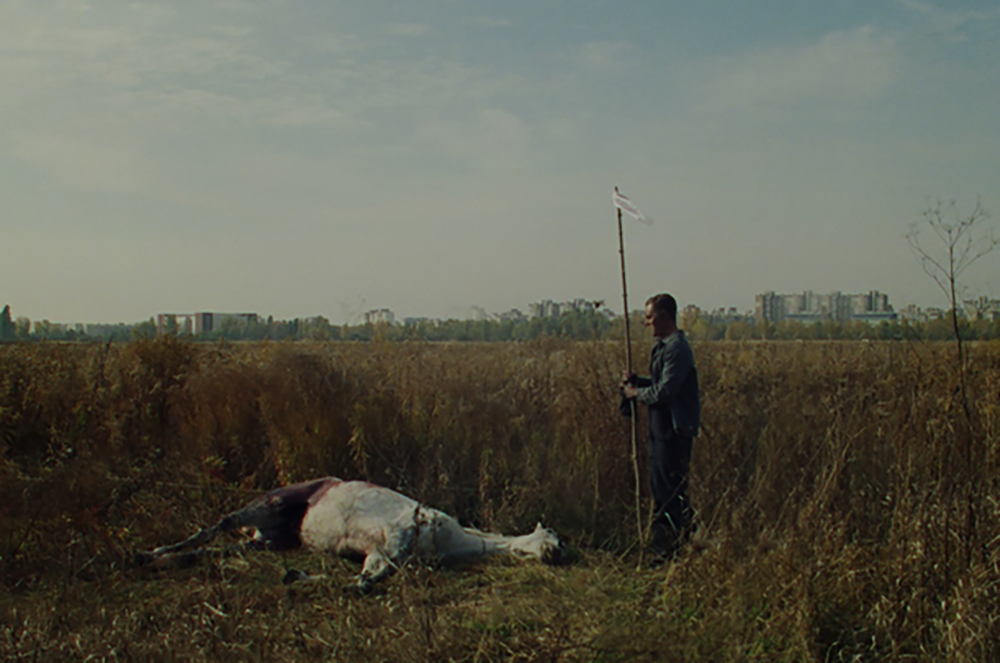
What is urgent about the film is the gritty, raw nature of its opening shots. Apart from our lead, Vitaly (played by Chris Galust), finding a nearly broken phone in his backyard, there are other things. Thereâs a solemn trek through a tunnel that’s worn and dimly lit, like a war shelter, as a group of miners walk to meet with their foreman (Igor Lazunko). They joke about journalists bothering them for comments, about money offered them to get a story. The grey sky that looms overhead as the foreman addresses themâinsisting they remember to tie white flags on their poles, as some have forgottenâwarns something ominous is afoot. These shotsâcourtesy of Cinematographer Farhad Ghaderiâcontinue as Vitaly wanders through a field, discovering a wounded horse before putting it out of its misery. But all the time we wonder, what are these men doing here?Â
Miners who Must Act Like Soldiers
These men are warned (by their foreman and by forces that exist offscreen) not to report or talk about what they see. One miner laments âwe are miners, not soldiers,â and another fills in that the soldiers are too busy shooting protesters to do this work. The workâwhich Ligthelm slowly pieces togetherâis searching for and discovering bodies of Flight MH-17. You get the impression secrecy, of not wandering outside their pay grade as simple miners, is sacrosanct here. You also get the impressionâfrom watching our protagonist and his somber reactionsâthat the search is affecting them, and some long to talk about it. Yet to understand why they canâtâeven to their wivesâyou have to understand the conflict between pro-Russia separatists and their adversariesâboth in Ukraineâand the serious tones that hang in the balance.Â
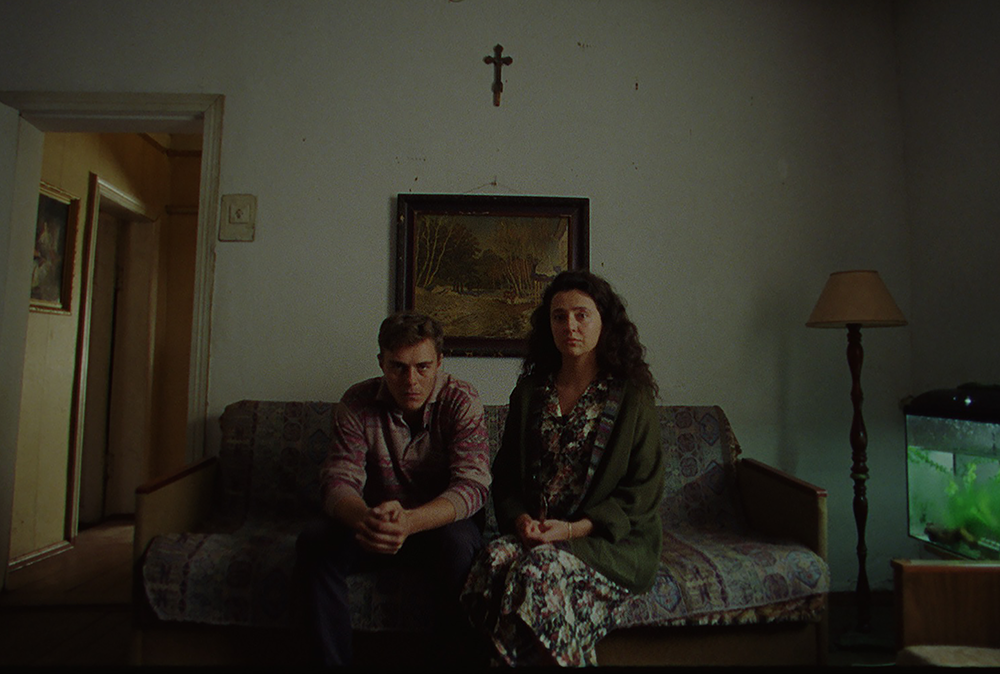
To me, this is the film’s detriment: it relies on knowledge or not just Flight MH-17, but also this Ukraine conflict. A sense of imperative is started by Ghaderi and Luke Atencioâwho does the musicâbut holds back. “Moeder” tasks Galust with much of the emotional heavy lifting, and he succeeds. There are scenes of him sitting in awkward silence with his wife (Marta Beloshapka), as she suspects something (maybe an affair?), and we can tell he wants to talk but canât. Those familiar with the Russia/Ukraine conflict will doubtless know why he canât talk, and what he is hiding. People unfamiliarâlike myselfâmay be waiting for some manner of exposition, which doesnât come until the filmâs credits. I spent some time researching the flight and its devastation after the film concludedâand in that, the filmâs imperative was obvious.Â
An Imperative Film and Needed History
Yet the strengths of âMoederâ are its tone and structure, and Ligthelmâs intimate yet mysterious narrative aligns us with Vitaly in a quiet, somber way. Its powerful scenes show Vitaly in his room, dimly lit, as he tries to translate Russian to Dutch to let a motherâa moederâknow what happened to her missing son (dead alongside the 298 casualties). You get the impression through his anger and frustration that this is traumatic for Vitaly as well. Galust imparts him with the right amounts of emotion to make the scenes stick. And as Vitaly was not the only one to break his silence after the incident, we get the impression other miners wore the emotional toll of doing guarded soldier’s work equally.
All-in-all, âMoederâ is a powerful film. Itâs credits vindicate its previous cautious nature, and its soundtrack and mood emanate seriousness and dolor. That the film has qualified for the 2025 Oscars shows its reception, doubtless due to the importance of the material. As the conflict in Ukraine stretches onâand even as my neighbors and friends extend sympathy with Ukraine flags on front porchesâitâs apparent we know precious little about living in this climate. âMoederâ gives us a piece of this, which remains with us after the credits. Itâs a film worthing experiencing should you get the chance.Â
âMoederâ is currently in the festival circuit. It screened at Leeds International Film on Friday, November 8th. Follow us for release information when available.Â