





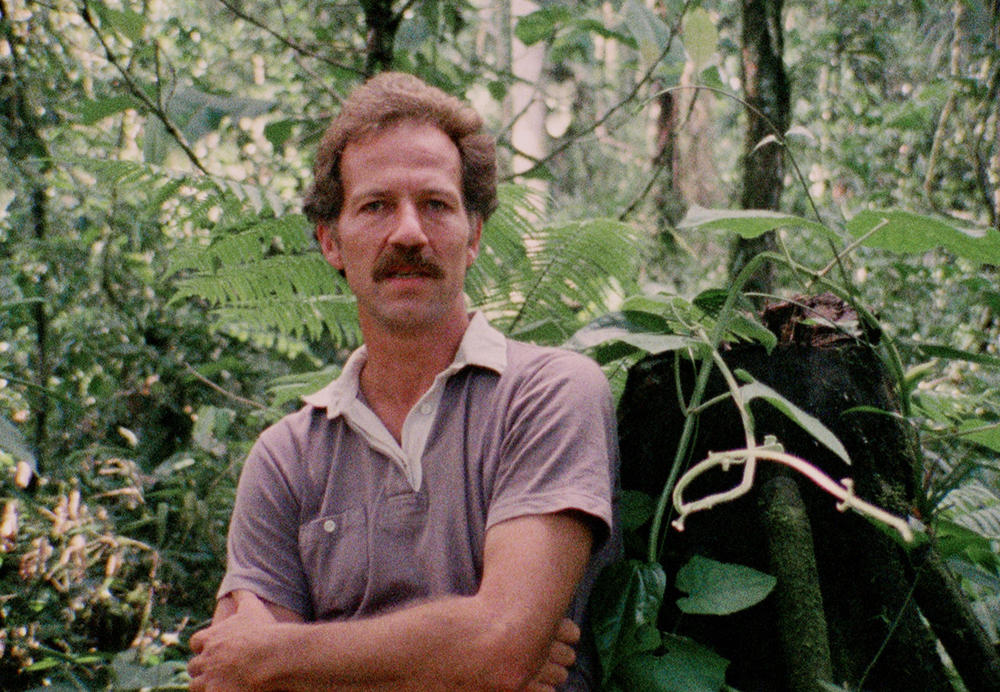
The meme-able moments come early and often in Les Blankâs âBurden of Dreamsâ (1982). And itâs not just the towering persona of Werner Herzog, who directed the movie âFitzcarraldo,” which served as Blankâs inspiration to document the makingâ(and breaking)âof that colossal undertaking. A new 4K restoration opened at Film Forum last Friday, and Blankâs most remarkable achievement is that heâs able to offer competing images and sounds to Herzogâs quotable decries. Itâs a master class from several masters of the documentary form, chief among them Blank (âGarlic Is as Good as Ten Mothersâ) and Editor Maureen Gosling, who provide not just an extended diary entry on a film and its collaborators, but also, a historical artifact about a culture demonstrably well-prepared for its close-up.
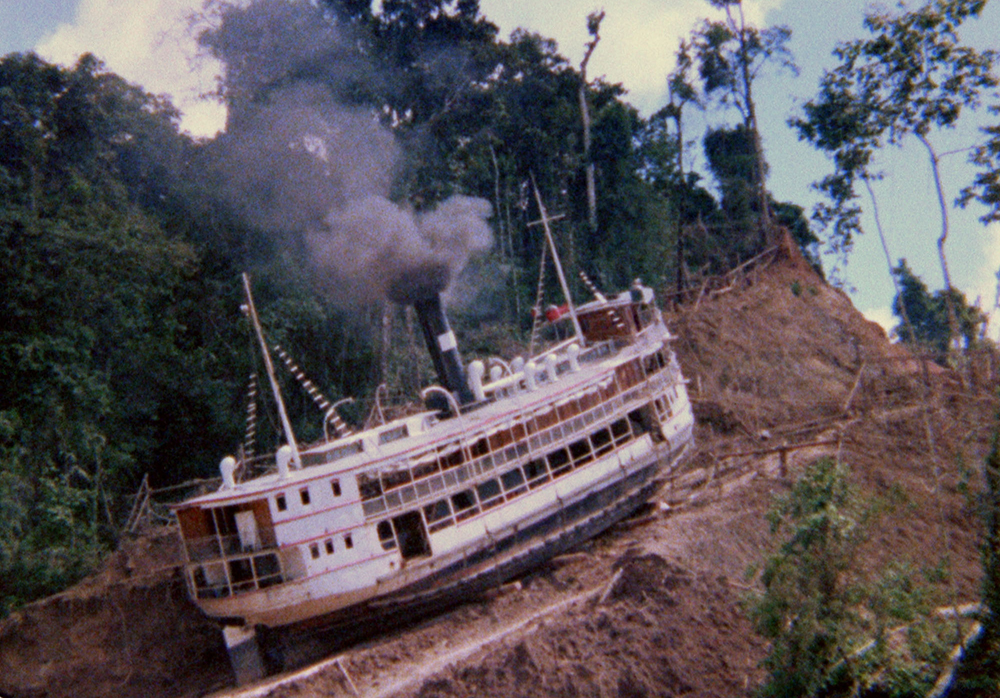
Herzog, lover of life, big bets, and attention has plenty of screen-time, and canât help but snatch the storyline and make it his own. This is the same man who, to settle a bet involving good friend Errol Morris, ate his own shoe. (Blank turned that into a filmââWerner Herzog Eats His Shoeââwhich is included on the Criterion release of âBurden.â) What a ham! But, what could have turned into a hagiographic puff piece is, in Blankâs hands, a complex and enriching work of journalistic non-fiction. The film tracks âFitzcarraldoâ from pre-production (starting in 1979) to its completion, employing a combination of visual strategies to tell this story, which improbably drifts from horror show to comedy and back again. Striving for authenticity, Herzog trades one Peruvian village for another, recycling through two co-stars (Jason Robards, Mick Jagger) and countless injuries, death threats, and setbacks to chase his dream.
Blank: A Generous, Open-Minded Auteur
In Herzogâs scenes, Blankâs camera doesnât exactly fixate on the director. Instead, it wanders to incorporate the natural world which is winning every battle waged against it. When Narrator Candace Laughlin talks about the working conditions (dangerous-to-perilous) and wages (double the average pay rate, yet a fraction of the creative teamâs) of the local tribespeople, she delivers the news without editorializing. The viewer can determine if Herzog and his crew are fair laborers or exploitative. My opinion: neither extreme captures the truth; but ultimately, Blank is a generous, open-minded auteur, featuring as much camaraderie (Herzog playing soccer with the locals) as chaos (knife-toting women fighting over a philandering husband). Since Blank was a close friend of Herzog, thereâs the question of objectivity, but the full portrayal of danger (an arrow nearly kills two people) leaves little room for a cliche commentary on the joy of creating.Â
When I first saw âBurden of Dreamsâ five years ago, I was smack in the middle of a Herzog honeymoon phase, discovering his entire oeuvre for the first time. I still count several of his films among my favorites (âStroszekâ in particular) but now at a remove from that period, âBurdenâ is so much different than I remember. Herzog surely has the most memorable moments, but itâs the zealous professionalism of Blank and his team which stands out. Like an investigative reporter in the bunker, Blank doesnât profess to show the best or worse of human nature. He presents these complicated humans out in nature, and allows all accomplices to tell their own story. What strikes me about Herzog now isnât his artistic vision or a perceived reckless imperialist impulse, but his conflicted morality. The jungle is âobscene,â far from âerotical,â and yet, he loves it âagainst my better judgment.âÂ
A New 4K Screening at Film Forum
Blankâs reporting skills serveârather than contradictâhis essayistic approach, evoking Joan Didion. At a slight remove, both Blank and Didion could embrace and analyze a sub-culture that fascinated them, without compromising the integrity of an objective observer. Similar to the wonderful and weird âGarlic Is as Goodâ (some sly self-promotion: Herzog and crew wearing shirts advertising that film in âBurdenâ), Blank is not shy about his advocacy for his subjects. And a cyclical theme in âBurdenâ is watching what happens when cast and crew arenât filming, as if Blank is reminding us that these lives canât be reduced to how they perform for a camera. Once filming completes, Blank, Herzog, et al can go home, but for those who are already home, lifeâand, according to the closing credits, the fight to obtain legal title to their landâresumes.
Browse through any streaming service, and it appears thereâs a documentary boom. But the subject matterâtrue crime and murderâis in short supply, implying a surfeit of quantity, not quality. Blankâs film bares all about a messy, catastrophic production process, managing to be endlessly suspenseful and entertaining. Despite having already seen âFitzcarraldoâ and âBurden,â I watched in nervous anticipation, understanding that carrying a steamship over a hill is an absurd endeavor, bound to have an incalculable humanâand calculable financialâcost. Instead of ending with that pivotal moment, Blank films the native Peruviansâmulti-hyphenates in their own rightâbehind the camera, taking pictures and making collages featuring Blank, Herzog, and others. It takes a village to chase after a foolish dream, and Blank posits that no one person is responsible for the final long shot realized; itâs a group effort to transfer a gigantic burden to the big screen.Â
A new 4K restoration of âBurden of Dreams,â an Argot Pictures release, will screen at Film Forum from July 19th-July 25th, before a limited national rollout. Film Forum will also offer select screenings of âFitzcarraldoâ during the âBurden of Dreamsâ run.




