





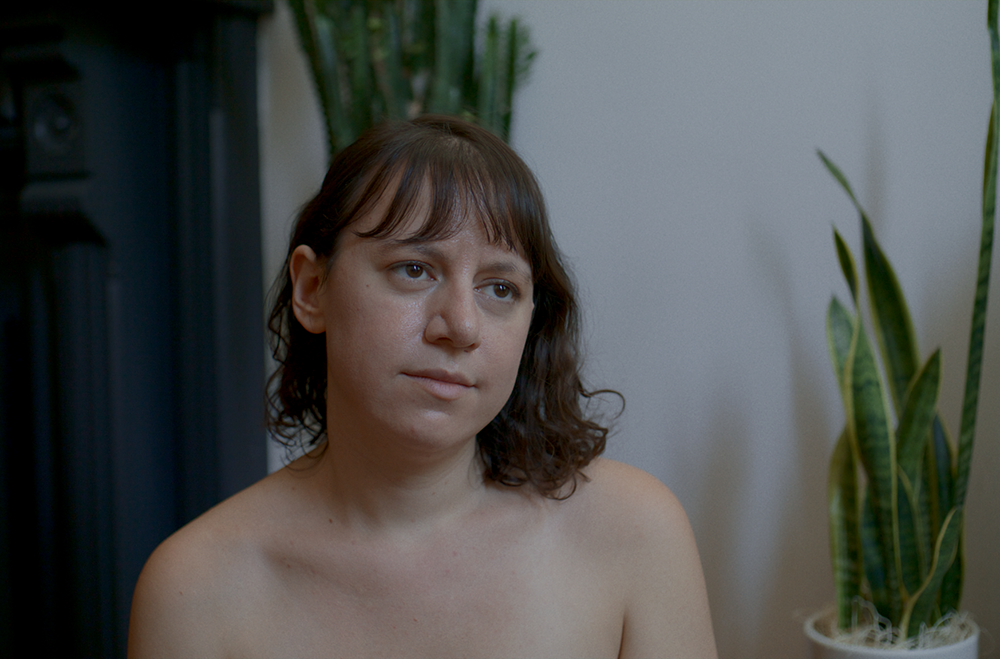
A meandering microscope on pleasure, pain and simply dealing with people, Joanna Arnowâs âThe Feeling That the Time for Doing Something Has Passedâ is a crisp, commanding fiction-feature debut. Arnow, who wrote, directed, edited and stars in the film, crams a veritable career-manifesto worth of ideasâon sadomasochism, relationship power dynamics and foolish work jargonâinto a tight, no-frills 88 minutes. And although Ann (Arnow) spends a good deal of that time in the nude, sexâor lack thereofâis not deployed as a gimmick or a simple provocation. The agenda here likewise isnât rote autofictional navel-gazing, instead, Arnow unveils such intense self-reflection that the story sometimes slips through our grips, the next move belonging so much to Ann it takes time to catch up. Still, Arnowâs wandering eye and mind rewards focus, never wavering from the end goal of auditingânot judgingâthe bare-naked private lives of others.
Arnow has mentioned that âAll That Jazzâ (1979), Bob Fosseâs autobiographical meta-masterpiece, is a favorite film. Here, Arnow doesnât so much pay homage to Fosseâs tell-all death fantasy, as she does reshape and strip down Fosseâs antic chaos, outlining some light-touch theses through a delightfully plotless arc. Ann is a mid-30s, Wesleyan-educated Brooklynite whose joyless days in an office are supplemented with nights spent in the bedrooms of her âmasters.â Allen (Scott Cohen) commands the most timeâstarting and ending the filmâwhich makes sense since theyâve been seeing each other for a decade. Anytime Ann hints at a more evolved relationshipâmeaning, whenever she tries to talkâAllen bats it away. He claims to want to know âwhatâs going onâ in her life, but concludes that ultimately, sheâs âa lot.â
Endearing, Childlike Excitement
And heâs far from the only one who takes from Ann without giving much in return. Annâs parents (played by Arnowâs real-life parents, Barbara Weiserbs and David Arnow) complain about never seeing her, then ignore her when she visits. Ann suffers through these interactions with an enviable detachment, an almost giddy curiosity about how long she herself can withstand these people before imploding. Moving on from Allen, Ann meets Thomas (Peter Vack), a musician, then Elliot (Parish Bradley), a churlish by-the-books-daddy who makes Ann don a pig costume and masturbate on the roof of his apartment building. Annâs willingness to submit, or, play alongâamong lovers and parents alikeâimplies not so much desperation as optimism, following the collective whims in hopes that something will blossom.
What everyone seems to be missing is that beneath Annâs droll reserve is an endearing, childlike excitement, when sheâs allotted time to show what brings her joy. After dispatching Elliot, Annâs friends help her make an online dating profile. After she tells them to write that she âdoesnât like when people get too upset about 9/11,â one friend bristles, and the other laughs, encouraging Ann to put her uncensored self out there. On the strength of that profile, she meets Chris (Babak Tafti), a nice guy whose avant-garde artistic tastes contrast with Annâs more mainstream flavor. Or, perhaps sheâs just putting him on, gleeful at Chrisâs subdued, loving disdain for Annâs rendition list of favorite plays (âBig Andrew Lloyd Webber fan?â), movies (ââA League of Their Ownâ ⦠the best cast!â) and songs (âBatter up/Hear that call ⦠To play ball!â).
A Fresh Take on the New York Film
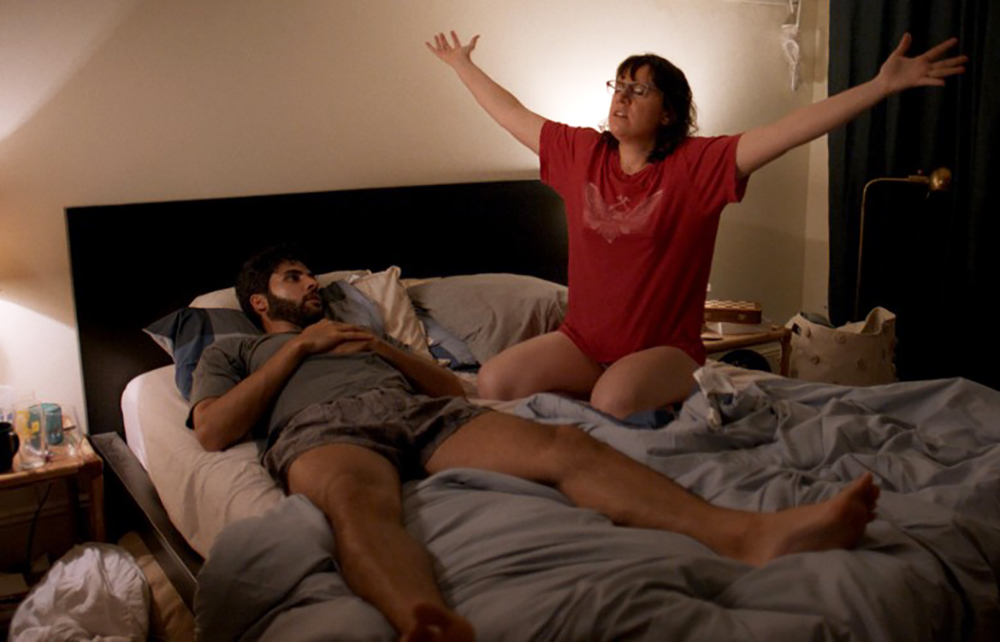
The filmâs earnest curiosity about offbeatâas opposed to the insidious designation alternateâlifestyles and hobbies is best captured in these sequences. Ann embraces Chrisâ performance art and poetry, while he even suggests that she sees her other masters, if she misses them (âWhat if I donât?â). Arnowâs daring project doesnât mock its subjects, welcoming their quirks without cynicism, a subversive strategy which presents a mature, ambitious film that can show sexual subservience without only being about that. Itâs a fresh take on the New York arthouse film, deemphasizing the pithy banter and heightened nerves of Woody Allen and Noah Baumbach in favor of a deadpan realism which evokes the cutting autobiographical sketches of Jean Eustache. Arnowâs controlled, ambitious creation feels likeâif weâre luckyâan early entry in a lengthier, expansive catalog, replete with ten-word titles and pitch-imperfect Broadway imitations. That, to quote Joe Gideon, would be showtime, folks.
“The Feeling That the Time for Doing Something Has Passed” is now in theaters.Â




