





As of late, weâve seen a growing interest among filmmakers and artists to integrate video chats and Skype or Zoom calls in their films. We see this in some films that were constructed in large part due to the effects of the global pandemic; while others simply intended to focus on relationships that thrive online.
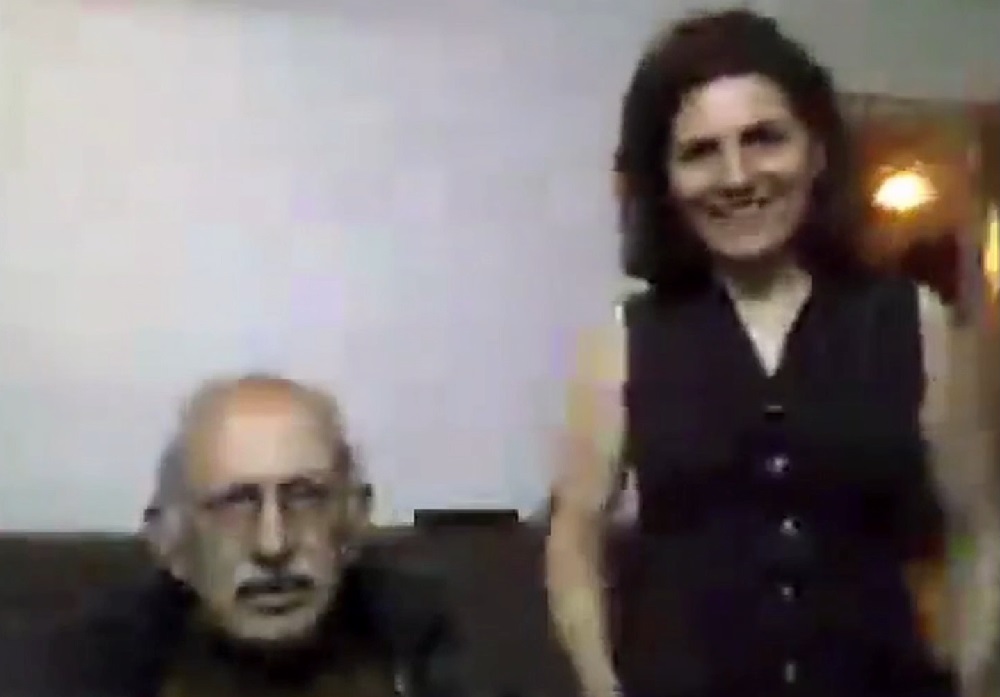
With Faraz Fesharakiâs âWhat Did You Dream Last Night, Parajanov?,â these parameters donât necessarily apply. Filmed over the course of a decade, the documentary puts webcams front and center. From the mundane conversations to the most personal that are too private to enunciate, the film represents a strong bond in the family â long distance and pixelated video calls aside.Â
So, no: itâs not the bandwidth of your internet speed or your projectionistâs fault. Blame it on the early-2010s technology instead.
[More MoMI 2024 Coverage: â1489â: A Timely, Harrowing Reminder of the Human Cost of War]
A Film Born Out of Recorded Family Skype Calls
The webcam witnessed it all: from the strange snowfall in Isfahan, Iran to the adjustments living in a European country away from home. Without stating it directly, âWhat Did You Dream Last Night, Parajanov?â clues us in on the time period Fesharaki started recording the familyâs video conversations
Pressed by his mother Mitra as to why he was recording their Skype conversations, Fesharaki simply replies that the records would be his diary entries â capturing every moment unlike written logs couldnât do.Â
These conversations range from the mundane (âThereâs a new bakeryâ¦their barley bread is really tastyâ) to political (âThe Muslim Brotherhood called for people to take to the streetsâ¦they expect bloodshed on Fridayâ). While Mitraâs conversations with Fesharaki underscore a close maternal relationship, the filmmakerâs father Hassan provides a more stoic, level-headed counter. Nevertheless, in some of the video chats, they bicker like children, engaging in a lighthearted he-said-she-said as if trying to curry their sonâs sympathy.
How âParajanovâ Captures the Subjectivity of Storytelling
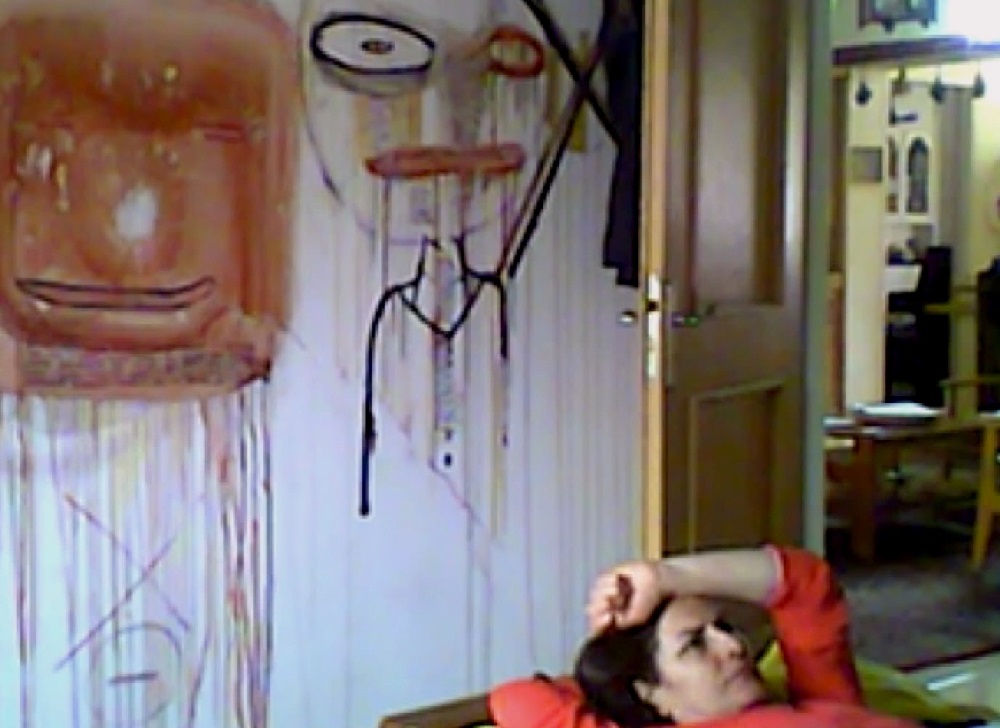
Thereâs an endearing, nostalgic quality watching the recorded Skype conversations, complete with lagging internet speed and video buffering in their pixelated glory. The webcam does its best, given the limitations of technology at the time. And yet there were stretches where the poor quality of transmission highlights the long distance even more.Â
With âParajanovâ, Fesharaki channels â if only for a little â Abbas Kiarostami and the legendary filmmakerâs tenet regarding the importance of cameras. Kiarostami would say that when telling a story, âthe camera doesn’t lieâ¦one can trust the camera.â What might have proven to be challenging for Fesharaki, however, is that the story involves him and his family. Considering that he initially never intended to make a film out of the Skype calls, each day in the editing room provides an avenue for an entirely different story based on the edits.Â
And yet, arguably due to (or despite, depending on how you prefer to look at it) its loose and plotless structure, this film works. With the conversations sometimes bordering on streams of consciousness, âParajanovâ doesnât interest itself in answering any questions. In fact, it doesnât even bother asking anything in the first place. Instead, weâre transported in media res, all those family conversations within our earshot that make us feel guilty at times. Are we supposed to be hearing any of these at all?
The Unsurprising Timeliness of Years-Old Conversations
The filmâs title comes from the question Hassan asked Fesharaki one time. The young manâs dream, a scary prison, gave him enough chills that he preferred posting about it on social media instead of intimating it to his parents. Â
For every mundane topic such as musical modes that call for philosophical discussions, âParajanovâ balances it with serious discussions. In one particular call, Fesharaki and his cousin Rahi talk about the news at the time, including the situations in Egypt, Syria, and Iraq, as well as the Crimean crisis and the ongoing conflict between Israel and Gaza.Â
Itâs hard to fathom that these video conversations were almost a decade old, and yet the immediacy of what they talked about still applies today. If Fesharaki intended âParajanovâ to be partly a film that commentates on humanityâs tendency to disregard and repeat the ills of history, then he gets top marks across the board.
On any given day, films about mundane conversations using naturalistic dialogue are an acquired taste. With âWhat Did You Dream Last Night, Parajanov?â director Faraz Fesharaki (in his feature-length directorial debut) employs poetic realism to explore human relationships that defy physical distance, by relying on other means to keep the bond strong â pixels and out-of-sync transmissions be damned.





