Having its World Premiere as part of the Discovery programme at this year’s Toronto International Film Festival, “La Suprema” shines with a simple story. “Days of Happiness” also World Premiered at TIFF as part of the Special Presentations programme. Find those reviews below:
“La Suprema”
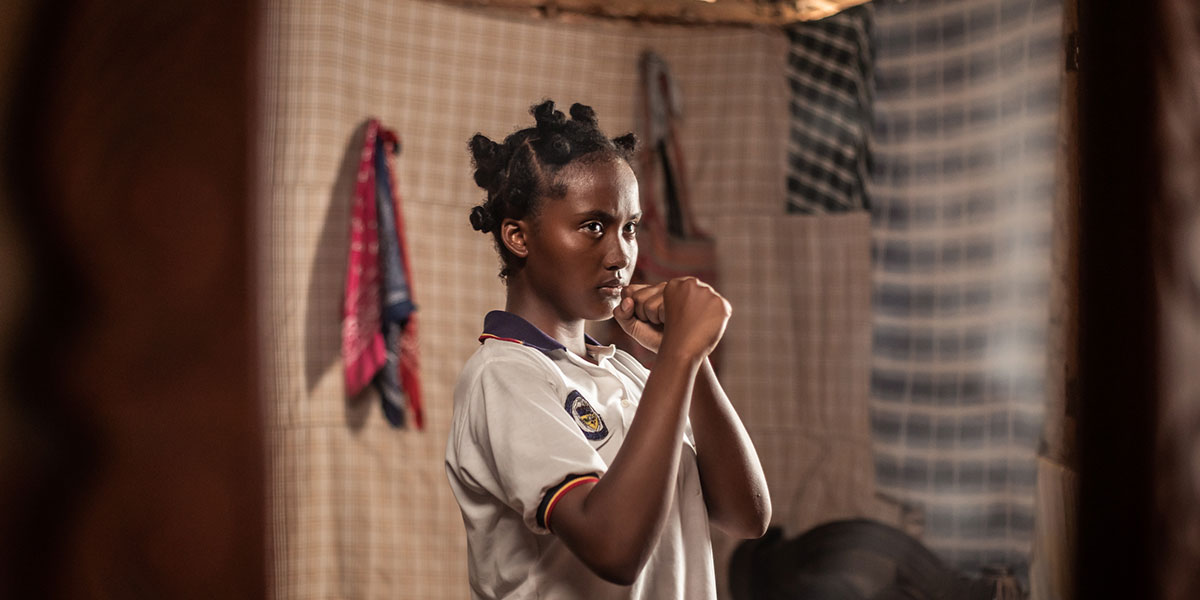
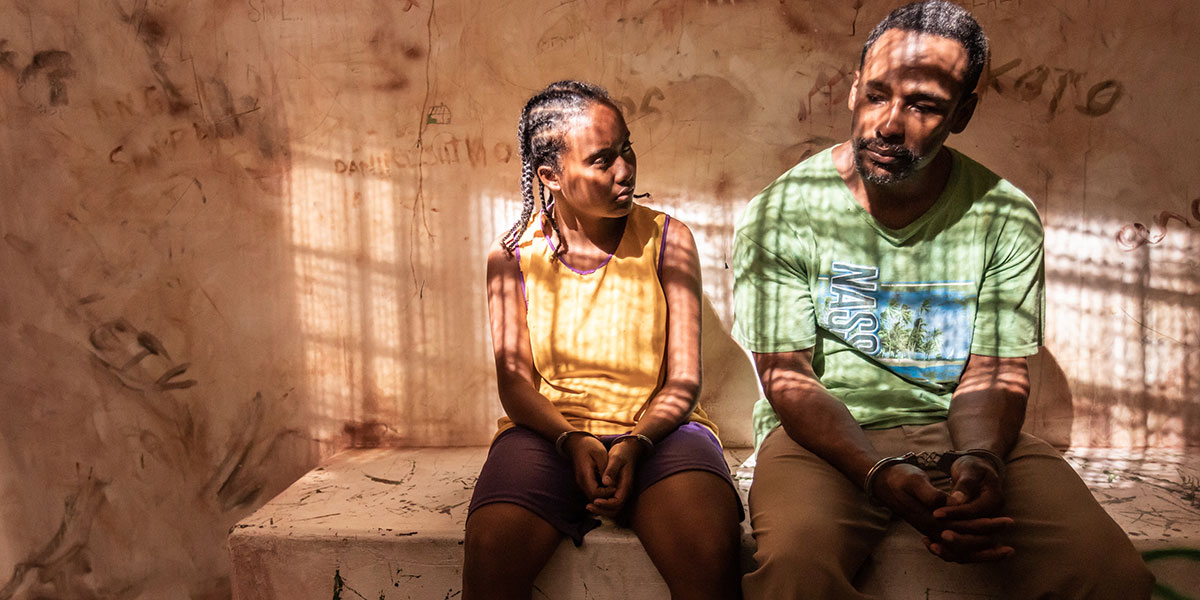
Set in 2001 in a Colombian village, âLa Supremaâ is a simple set-up. The village doesn’t have electricity, but teenager Laureana (Elizabeth MartÃnez) wants to support her estranged uncle and watch his big, Middleweight Fight on TV. Lau has to create a plan and enlist the help of the town so they can all watch the fight.
One of the people she has to convince is Efrain (Antonio JÃmenez), who discovered and trained her uncle years ago. Efrain no longer trains anyone. We see in his family relationship that his wife holds resentment that theyâre still in a poor village. They don’t make enough money, and have nothing to show for their hard work. We learn throughout the film what happened between Efrain and the fighter.
A most interesting element about âLa Supremaâ is the erasure of the village itself from history. Scenes mention a political figure who wanted to take the village off the map because he’s embarrassed to be from there. Laureana is someone who wants to fight for where she is from and thatâs an attractive characteristic to lead the film.
Beauty in the mundane
With such a simple premise, âLa Supremaâ is admittedly not always the most exciting film. However, director and co-writer Felipe HolguÃn Caro (Andy Sierra co-writes) embraces a true authenticity to this film. This is aided by the film’s natural acting. We don’t know if this village is a fictional one or a real one, as it truly just feels like a small pocket of older times in the modern day.
Caro also does find compelling ways to portray beauty in the mundane within the film. This is especially true with music. Laureanaâs grandmother sings songs as she does chores by the river, mostly songs about her pride of La Suprema. With the grandmother, some of the filmâs most compelling scenes do come from exchanges between Laureana and her grandmother, like when Laureana has big dreams. âDreaming costs nothing,â says her grandmother. Laureana also wants to challenge what is expected of her, like raising a family and finding a husband. She is determined to choose her own path, and thatâs exciting for a main character.
There is beauty in a film about a community coming together for the simple task of watching a fight and actually getting electricity, even for an evening, to join the modern world and find their place on the map. And even if itâs not always the most eventful film, itâs a compact and usually joyous 83 minutes.

“Days of Happiness”
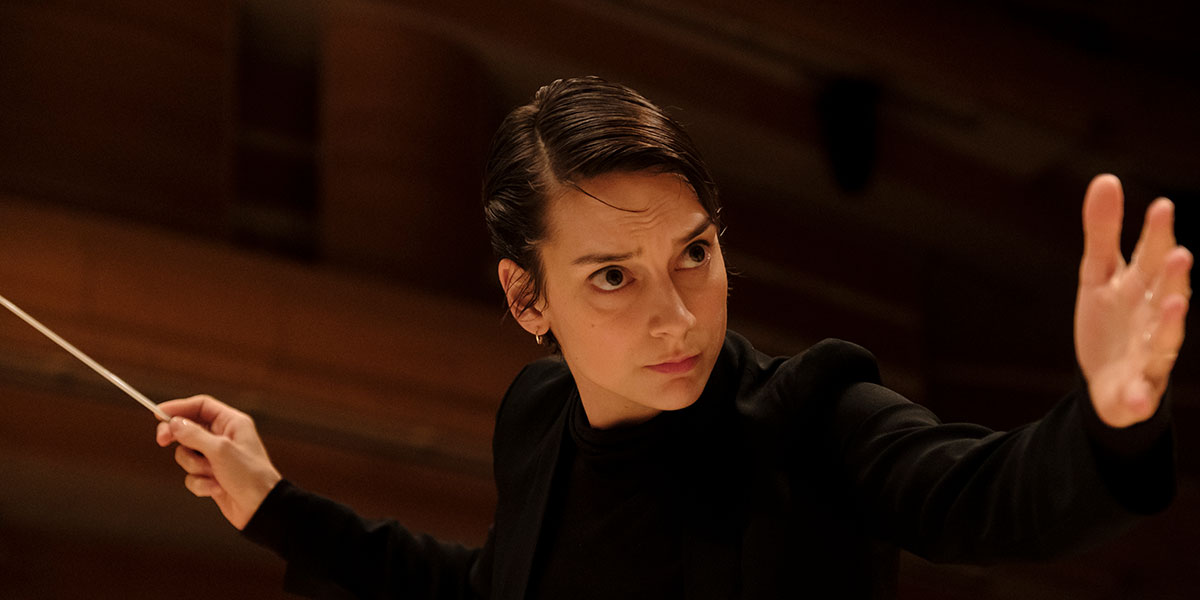
Following an up-and-coming composer Emma (Sophie Desmarais) in the Montreal music scene, Quebecois filmmaker Chloe Robichaudâs latest âDays of Happinessâ puts an effective story of stardom on display. Emma is on the last few months of a residency, creating chemistry with an orchestra who respect her professionalism. However, they donât necessarily know her as a person. This even includes cellist Naëlle (Nour Belkhiria), as she and Emma nurture a relationship throughout the film and Naëlle teaches her thereâs more to life than just composing.
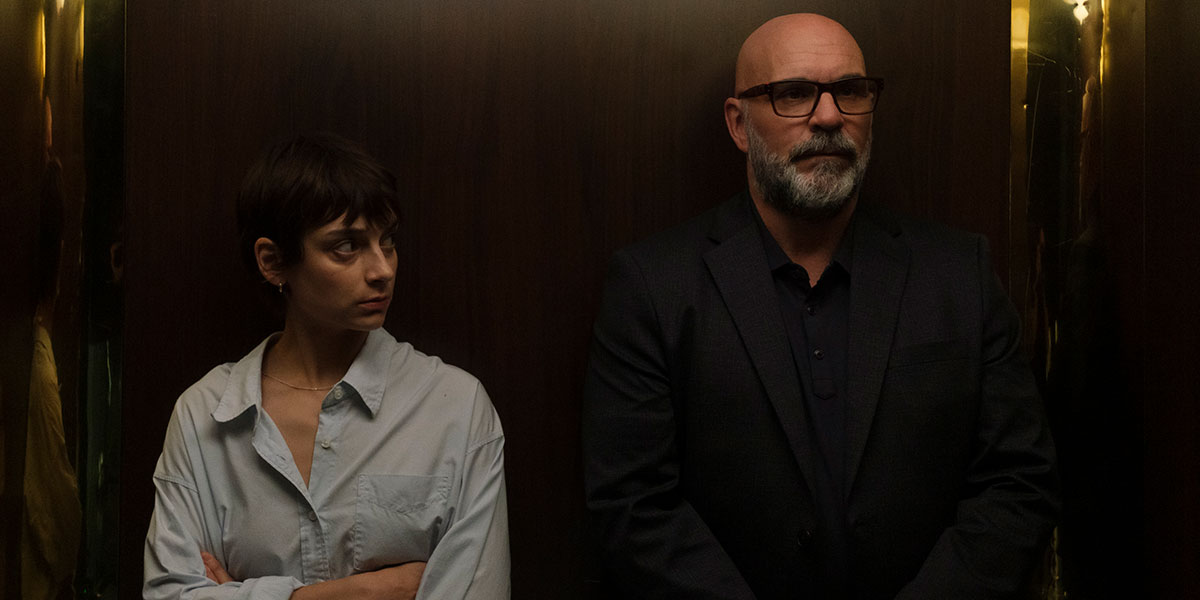
That’s not something she’s used to. Her career from the beginning has been closely monitored by agent and father, Patrick (Sylvain Marcel). Emmaâs relationship with her father is one of the strongest written elements of Robichaudâs âDays of Happiness.” Itâs evident that Patrick wants the best for her daughterâs career but struggles showing he wants the best for his daughter, the human.
When she’s discussing business with her father, they get bad news of her grandmother’s passing. Patrick announces it like a business transaction. As they ride down in the elevator together, Patrick passes her the dirtiest, most judging look as Emma cries over her grandmotherâs passing.
We learn more about their relationship through some very intense exchanges. Both Sophie Desmarais and Sylvain Marcel portray these scenes well. The dynamic is best described as an angry father wanting to punish his daughter, and simple fear and survival from Emma. The situations feel very real and it comes through in the authentic writing in Robichaudâs screenplay. Through the character study of Emma, as well, we learn early on that there is an intense fear of failing.
Trauma and perfection
In the filmâs opening scene Emma lays on a floating air mattress on a lake to relax like everyone else. She falls asleep and goes adrift into the lake. She tries to paddle back in, having to announce that she cannot swim and must be saved. This is a moment where sheâs vulnerable because she let her guard down. Viewers can tell sheâs passionate in her work in composing, and gives it precision. Throughout the film, one of her professors at her residency, Philippe (Vincent Leclerc), is a more cautious fan. He warns: âYou are so fixated on perfection it can get a bit boring.â
It plays on Emmaâs imposter syndrome in a classical music space where everything is so easily judged. An audience member loves her music. However, she tells Emma, âYou should use that charm on-stage, a smile can make all the difference.â We do get to experience Emma blossom more as she tries to distance herself from her fatherâs control. She does this by exploring the possibility of leaving him for another agency. We also watch her grow through her relationship with Naëlle, as well. Emma eventually lets emotions in and lets herself be vulnerable and lets her pain shine in through her music. Robichaud portrays this is stunning ways. âDays of Happinessâ is a fascinating portrayal of family dynamics and becoming your own person, even if it isnât always my personal tempo.