





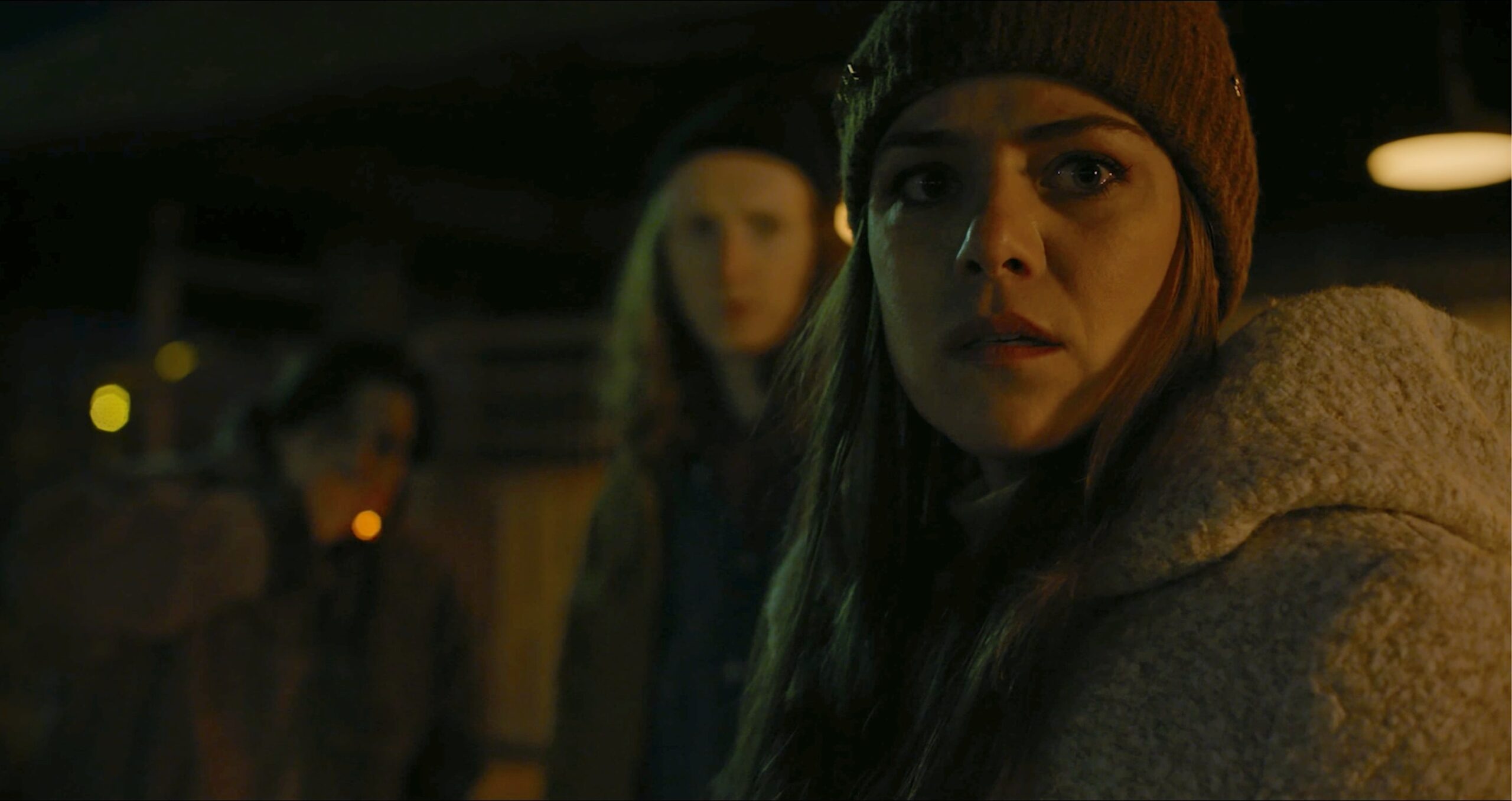
Premiering as part of one of the Short Cuts 2023 Programmes at this year’s Toronto International Film Festival, “Redlights” is a Canadian offering from director Eva Thomas. Kaniehtiio Horn and Ellyn Jade portray a pair pair of Indigenous women who find their night out taking a dangerous turn. The short film brings about conversation on important topics like the âStarlight Tours,â prominent in North America in the 1980s and 1990s, and still a major issue in Canadian provinces today.
I was able to speak with the filmâs stars Kaniehtiio Horn (as Tina), as well as Ellyn Jade (as Amber). You can find that conversation below, which has been edited for clarity.
Casting and chemistry
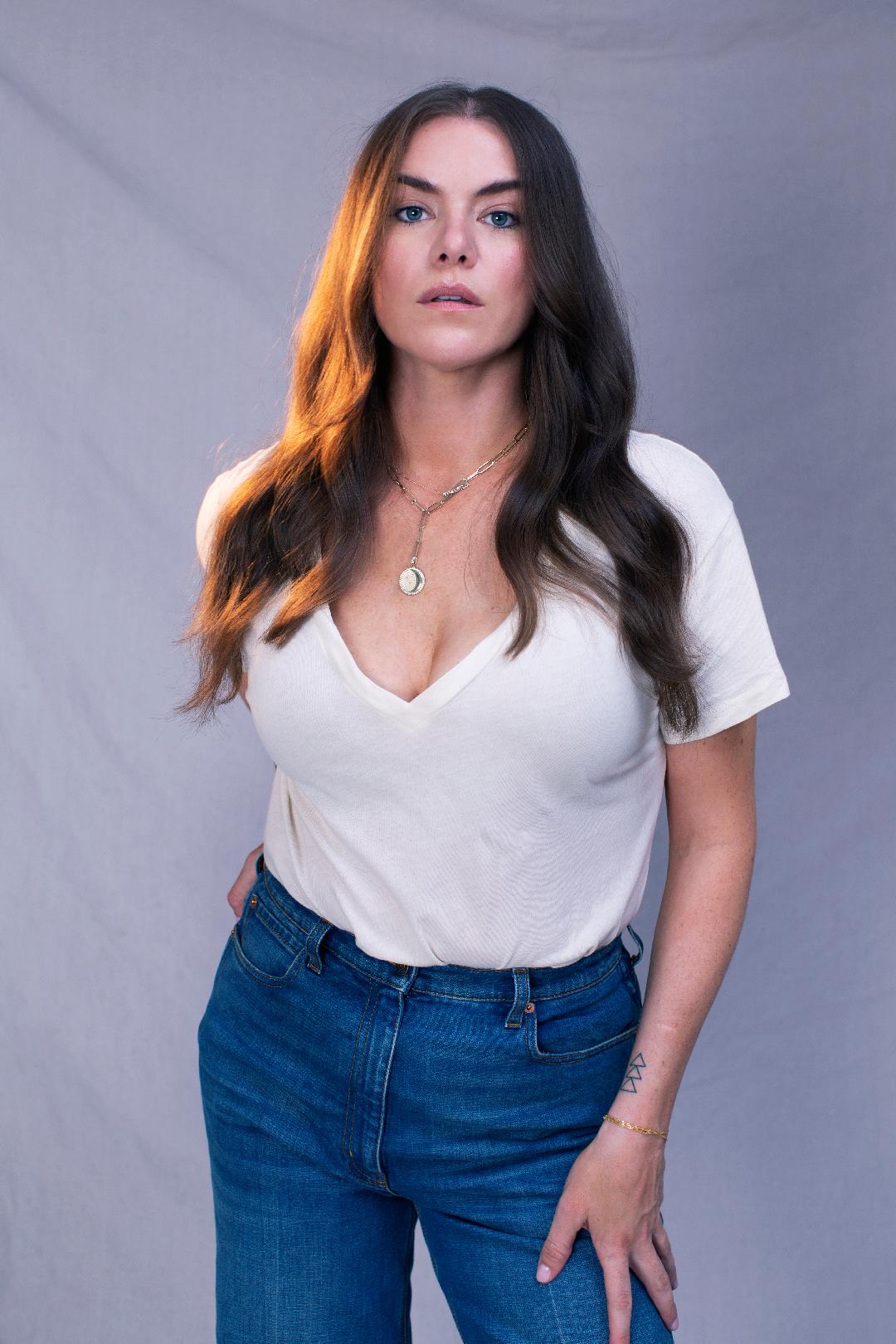
Daniel Prinn, TheMovieBuff.net: How were you both cast for the film?
Kaniehtiio Horn: I knew Eva through another program. She was my mentor on a scriptwriting program, and she told me about this short film she had written. [Eva] asked if I would take a look at it and if I was into it. She was thinking of me and Jade. I was like, âI love it, you should send it to Jade. Iâm in.ââ
DP: You both also starred on âLetterkennyâ together, so whatâs it like bringing that chemistry towards this project?
KH: I think itâs one of the reasons she cast us together on this project because we already had a relationship for almost 10 years on âLetterkenny.” And weâre friends. I think it was easier to bring on a couple people who know each other very well and already have that chemistry.
Ellyn Jade: I think what she really wanted to capture, we were able to bring because we have a relationship outside of âLetterkennyâ and outside of acting. There was a real bond there she wanted to tap into. It was a really beautiful part of working together.
Creating their characters
DP: Thatâs awesome. For âRedlights,â what was your research like for your characters? What was the biggest thing you brought into your characters?
KH: In terms of character, I just viewed my friend as my sister. Somebody that I love. And with my own prior experience with law enforcement… I channeled that fear and anger that they bring up in me.
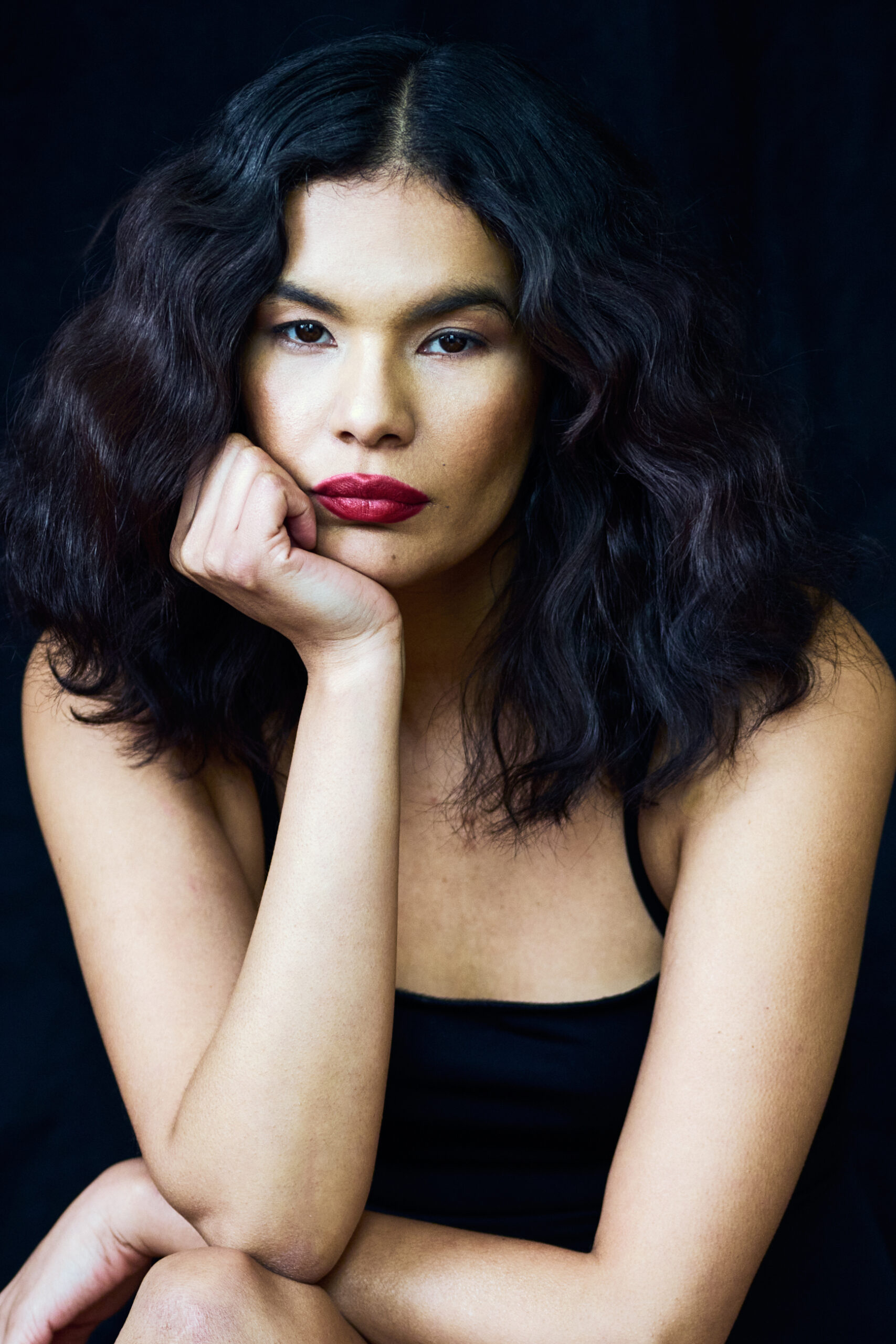
EJ: It was the same for me because I knew it was going to be us working together. It really brought it to a real experience for me, as well. How the setting is, how everything was written, these are situations weâve been in together as friends. Weâve also had very traumatizing and negative experience with police and police services wherever you go. It comes from a real place.
We both drew from a lot of experience that we talked about over the years, or stuff we witnessed. Or just things weâve experienced even just being together being out in the world, whether itâs being prejudiced or being targeted or treated a certain way. Weâve gone through that together, so itâs kind-of revisiting these experiences. As well, weâve both known people that more serious things have happened to, as well.
Fear and anger from law enforcement
DP: Do you mind if I ask about any of those specific experiences?
KH: I mean, my mom was beaten up until she was almost killed in 1993 by two SQ officers [provincial police in Quebec]named Dube and Willett and we had to go and bail her out. They almost killed her and she pressed charges on them and they appealed, and she won both cases. There was some sort-of justice in there in some way.
Growing up in Kahnawake and being surrounded by police who inherently are bred to not like us, it makes it unsafe to leave the res. When you see police, they ignite your fight or flight response.
EJ: Iâve honestly lived all over the world and the most police experience Iâve ever had in a short period of time was living on my reserve. Living on reserve and policing on reserve is a whole other can of worms. It was almost like a new target in town, letâs see who can catch her or letâs see who can get these charges.
A lot of times, First Nations communities, at least here in the North that I know of [Northern Ontario] are training grounds for new graduates. Theyâre kind-of hot and ready to start racking up their charges. Thereâs a lot of youth that come out of First Nations communities, before theyâre even in high school, that have criminal records. Thereâs a different atmosphere â I can already feel it in my body right now â when you live on reserve and come across police. Itâs deeply historically rooted in trauma and just present day, what we go through in general.
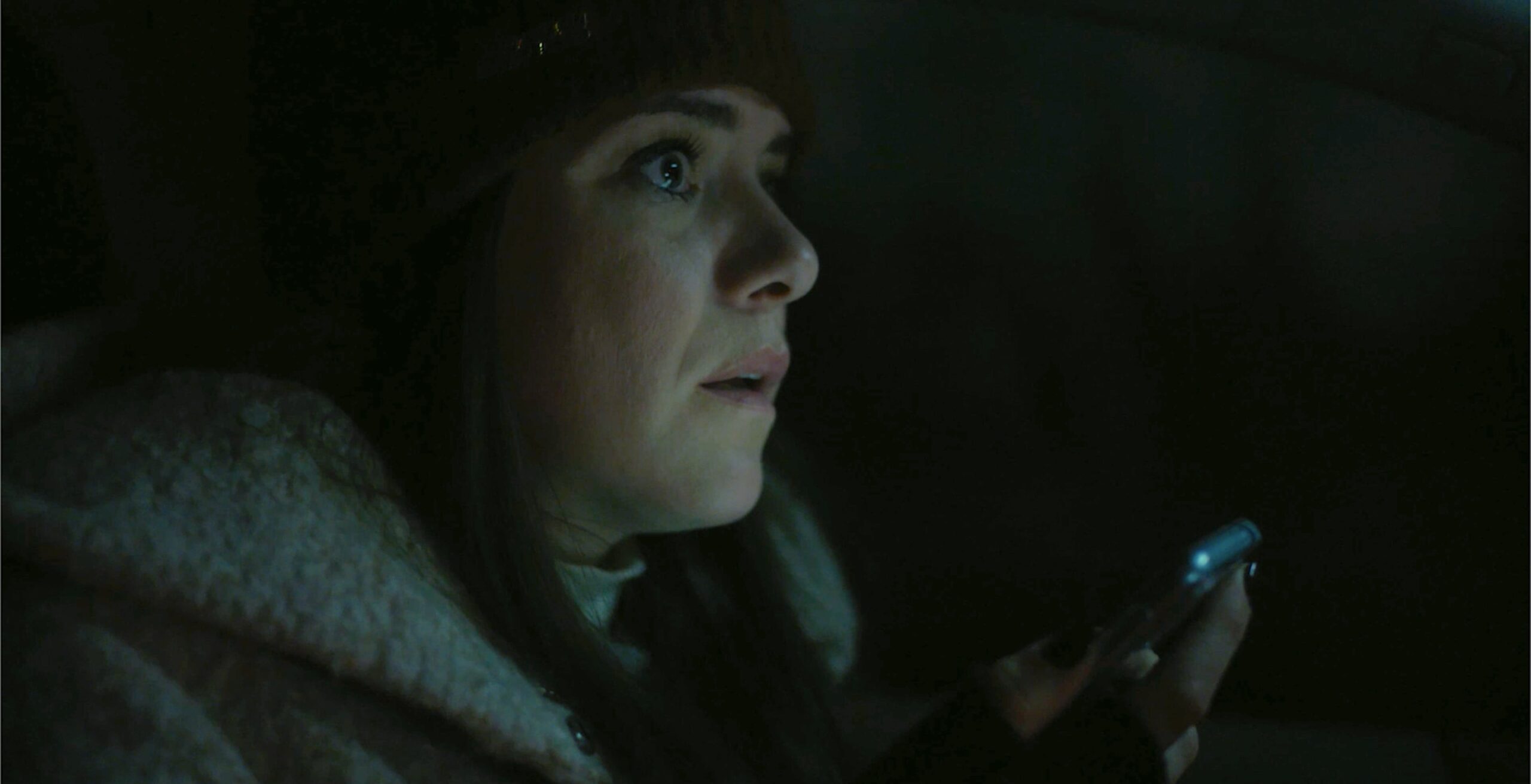
The Starlight Tours
DP: Speaking of that trauma in general, what was your knowledge of the Starlight Tours before working on the short film?
KH: Probably 99.9 per cent of Indigenous people across Turtle Island [North America] know about the Starlight Tours.
EJ: I remember learning about them when they were starting to happen. I was born in the â90s. My parents made sure we knew the Starlight Tours. We knew who Helen Betty Osborn was. My parents raised us to be socially aware of these atrocities that have occurred and itâs almost required when youâre an Indigenous person. You have to prepare your kids. In my parentsâ case, they needed to prepare us for what we were going to come up against and the real hatred thatâs out there and that can take life away. For us, we got the school of hard knocks knowledge and reality of what it is to be in the Indigenous experience in North America.
The colonizer’s law
DP: There was a line in the film that struck me, just when Ellyn your character says, âYou love the colonizerâs law.â And Kanhietiio, your character says, âSorry not all of us have to be like âfuck the government,â some of us have to learn their tricky, tricky ways.â I thought moment was neat, can you speak to that exchange in the film?
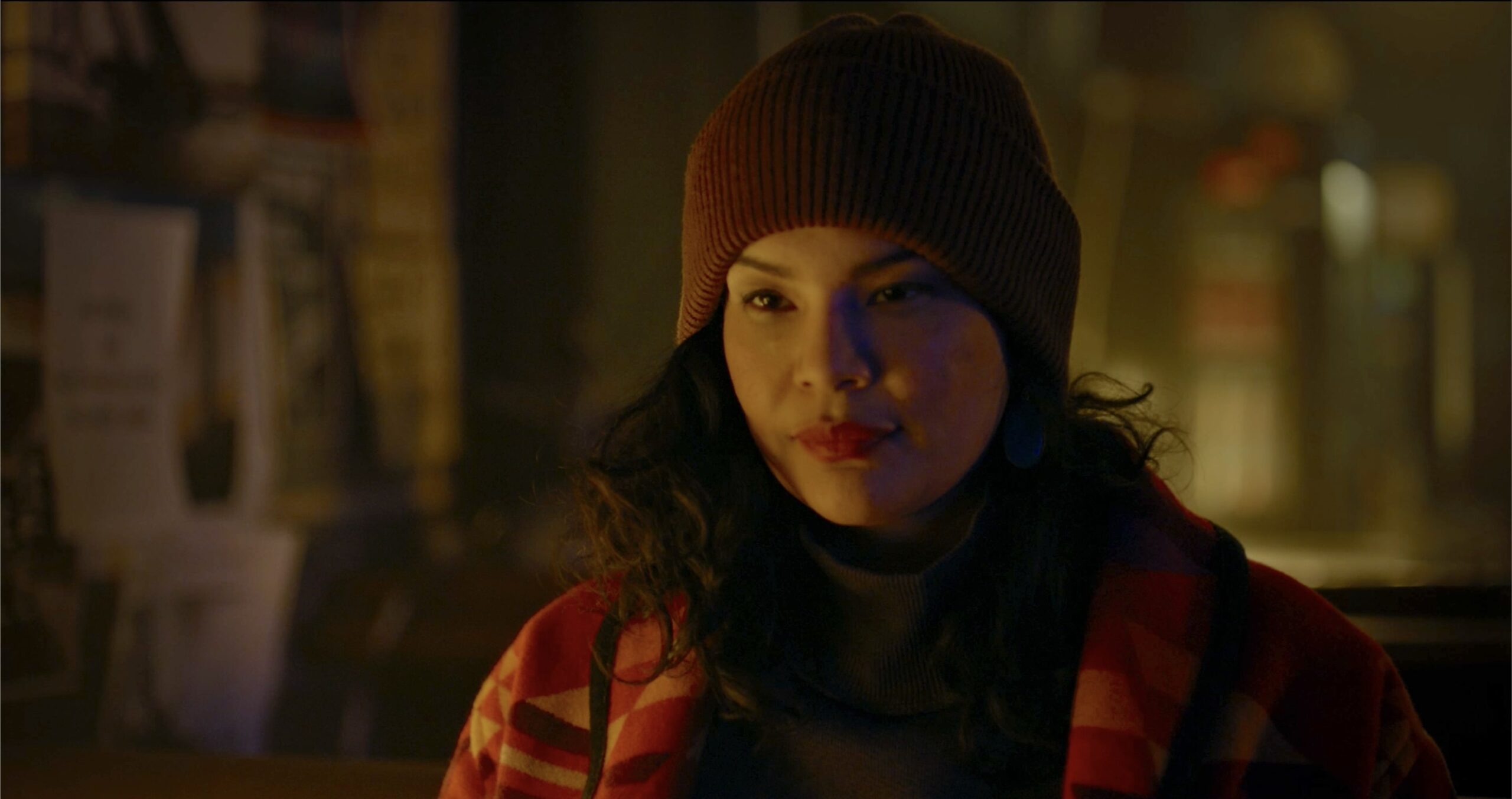
EJ: It was one of those things that came from us. The âtricky, tricky lawâ part, that playfulness and that humour that you have to have when talking about hard-hitting, sensitive subjects, I think it just brought to light thereâs so many people who are doctors, lawyers, in all these areas we were once illegal to be in.
I think itâs a really bold statement but also that playfulness, that inner turmoil of âDo I live this life and do this way?â Or this âDo I go study law and become a doctor?â Is it fighting the power from the inside? Thereâs a lot you picked up on that you can break into that playful banter, like thatâs us. But itâs serious and thatâs a real conversation about how do you dismantle these systems? Can you change these systems? Thatâs the beautiful moment of the humour and the reality and the challenges, and the work people are doing in all these different areas to promote equality.
KH: Decolonize, basically.
EJ: Yeah, exactly.
First TIFF experience
DP: Also, the film âRedlightsâ has premiered at TIFF, and Jade I know we were talking about how it was your first TIFF experience and press circuit. Can you talk about that experience?
EJ: It was the definition of a whirlwind. I know people say whirlwind experiences, but there was so much and it was so fast but it was still slow motion because of the heaviness that we were talking about in each of these spaces. It was a great opportunity to bring these conversations.
I honestly donât think I would have wanted to share that experience with anyone other than Eva and Kaniehtiio because theyâre such incredible forces on their own, just their strength. Always being with family, Iâm really fortunate that my first experience was literally with my sisters. Surrounded by more sisters and I got to have these moments of joy and stillness and peace with them amidst the 7 a.m. hair calls or getting ready. Iâm looking forward to future experiences with TIFF but I think I couldnât have done this one better so Iâm really grateful for Eva and Kaniehtiio for coming along for the ride.
TIFF’s Every Story Accelerator
DP: Kaniehtiio, I know you and Eva Thomas took part in TIFFâs first Every Story Accelerator for your feature directing debut âSeeds.â What was that opportunity like?
KH: That was an opportunity Iâm super grateful for. It was like my soft coming out of being a filmmaker now after being an actor for 20 years. Now, Iâm venturing into this. We were set up with a lot of great meetings and opportunities to ask all the dumb questions and Iâm really grateful to be part of the TIFF alumni.
DP: I noticed this film was one of Evaâs first directing projects and you just finished your debut. Were you both able to help figure out each otherâs directing styles out in that way?
KH: Yeah, we both directed different types of genres. I like collaboration so I like being able to ask somebodyâs opinion who I respect what they think about a choice I might make, and vice versa with Eva. Itâs nice to do something like that with someone you respect.
The Movie Buff would like to thank Kaniehtiio Horn and Ellyn Jade for taking the time to speak with us over Zoom and talking about their film âRedlights,â which premiered at the Toronto International Film Festival.


