





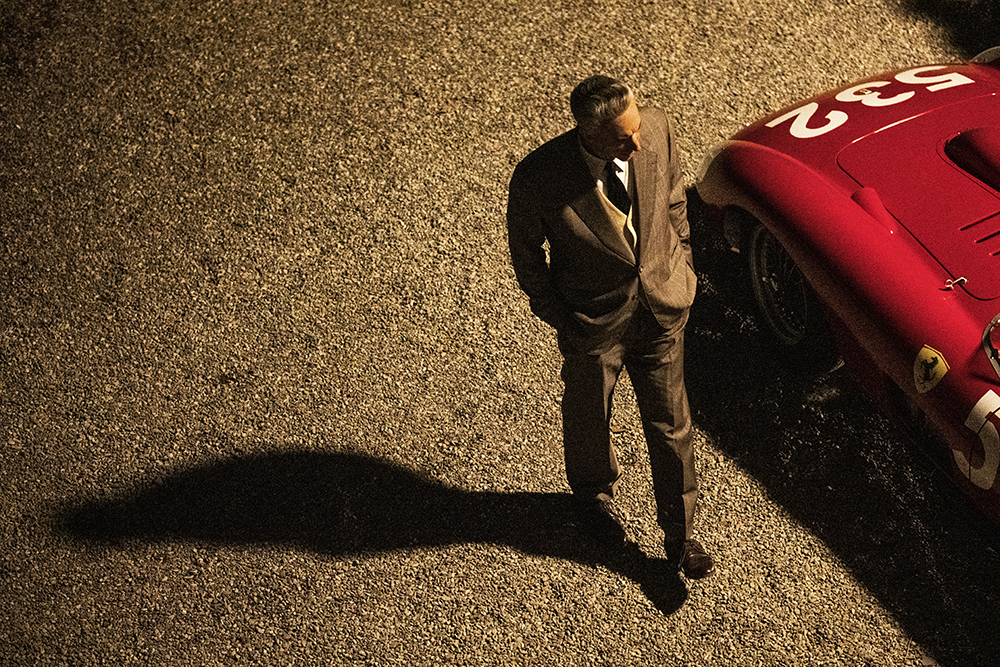
Michael Mannâs “Ferrari” throbs with danger, navigating a whipsawing course of hair-raising thrills and bone-chilling hazards while maintaining a steady, unshakeable confidence. A project that took root with Mann and Sydney Pollack nearly 30 years ago, “Ferrari” closed the NYFF on Friday. It marks a thunderous exclamation point in the storied career of Mann, elevated by the singular charisma and sheer force of his two leads. Adam Driver and Penélope Cruz, who play husband and wifeâEnzo and Lauraâemote searing intensity and understated compassion, never gliding into caricatures of familiar tropes (the philandering husband, woman scorned). What is predictable, of course, is that Driver and Cruz are electric, and Mann further complicates the messy history of Ferrari. He employed kinetic grace alongside frightening disaster scenes that make reality look like a quaint drive around the neighborhood.
Ambition, dread, and danger loom over the film, and Mann isnât shy to provide copious reminders about the perilousness of Enzoâs dreams. Enzo and Laura founded Ferrari in the wake of World War II, and by 1957, the two shared ownership and responsibility: Laura managed the finances and daily operations and Enzo, vehicle design and long-term vision. The first time we see Enzo with a woman, though, itâs not Laura, itâs Lina Lardi (Shailane Woodley), whose son Piero is the product of their decade-long affair. Lauraâs not blind to Enzoâs cheating, and sheâs not accepting exactly, either. When Enzo returns home, Laura fires a gun at him (because heâs late), narrowly missing his head. Here, Cruzâs rage is entirely believable and earned. And her command of the screen and character allow for some of the most wrenching, tender moments, particularly when she visits the grave of her deceased son, Alfredo.
Driver and Cruz are electric
The dead child isnât just a device, heâs a character whose conspicuous absence foreshadows the unimaginable loss other families will face later in the film. No one deserves to face tragedy, but “Ferrari” portrays lives that are always staring straight at peril, off and on the track. Mann opens the film with a black and white sequenceâresembling a newsreel from the eraâshowing young, carefree Enzo winning a race, piloting from the driverâs seat. Itâs one of the few moments in which the character actually smiles, and according to Mann, that detail about the formal, reserved Enzo is true to life. In the closing scene, Mann films Enzo and Piero from the back as the two walk to Alfredoâs (whose nickname was Dino) grave, ending on a melancholy note that provides much needed respite from the filmâs excruciating final half hour.
Enzo was convinced his companyâs drivers must win the Mille Miglia, a 1,000-mile open road race across the Italian countryside. Weâre racers, Enzo says on more than one occasion, and to sell cars, Ferrariâfacing insolvencyâmust win this grueling contest. The teamâs most experienced driver, Piero Taruffi (Patrick Dempsey, shining as a silver fox with a zillion-dollar smile) does cross the finish line first overall, but thereâs no celebration. And thatâs because the brash young Alfonso De Portago (Gabriel Leone), cruising to victory, was killed on the way home, a freak accident depicted in agonizing slow motion. Mann has the courage to show both the accidentâthe two men in the car fly out, and the machine tumbles down the road, impaling spectators including some small childrenâand the aftermath, tracking the (severed) body count with a haunting tracking shot reminiscent of Godardâs “Weekend” (1967).
A testament to the film’s objectivity
Films don’t usually show such gruesome deathsâparticularly those involving small childrenâat a close, candid range. Often, in genre films, graphic details are included to manipulate or simply, to shock. The wonder here is how Mann, Oscar-winning Cinematographer Eric Messerschmidt (“Mank”) and writer Troy Kennedy Martin (who died in 2009) frame this event as inevitable, the latestâand most devastatingâgrim outcome that is either a byproduct of Enzoâs blind ambition or, simply bad luck. Itâs a testament to the filmâs objectivity that it doesnât force any moral judgments on any of the characters, and it features the taboo-shattering deaths in a way that fits in the storyâs structure. The parents who survived are not at fault for their kidsâ deaths, but no matter, theyâll still face the rest of their lives grief-stricken, breaking down and in constant need of repair. Just like Laura and Enzo.
Mann waited four decades to bring his vision on screen, but thereâs a sense that it had to be that way. Itâs a profile of enduring, of managing life through major changes, minor inconveniences and painful losses. Pollack himself died in 2008, and Mann has dedicated the film to him. Living and losing, losing then dying, thatâs what Mannâs film is about, and itâs hard not to extrapolate the story on screen with what had been happening behind the scenes. At a minimum, the waiting game resulted in Driver and Cruzâand not Christian Bale or Hugh Jackman and Noomi Rapaceâat the wheel, which is a gift all moviegoers deserve, the first pairing of extraordinary, dynamic talents. No disrespect to Bale, Jackman, or Rapace. Itâs just that watching Driver and Cruz cheat, connive, and uncouple makes these fragile, tormented parents who died decades ago emerge with dazzling verve.
A film 30 years in the making
So, come for the racing scenes and stay for the pulsating humanity, the surprising intimacy of such a muscular, engine-revving, gas-spewing picture. This was the only film that should have closed NYFF this year, and late-career Mann, the only man for the job to pair big-budget thrills in an elegant, arthouse draping. For all the moments that make you want to turn awayâfrom the blood and body countâ”Ferrari” is endlessly watchable, bursting with tension and compassion yet devoid of mawkish sentiment or cheap thrills. Itâs a lofty claim that this film could be a salve for modern commercial cinemaâ”Barbie” certainly initiated that optimismâbut this is a film that demands an audience and shouldnât be judged or witnessed on a smaller scale.
“Ferrari” closed out the NYFF. Join us next year for more coverage. The film opens nationally on December 25th.Â




