





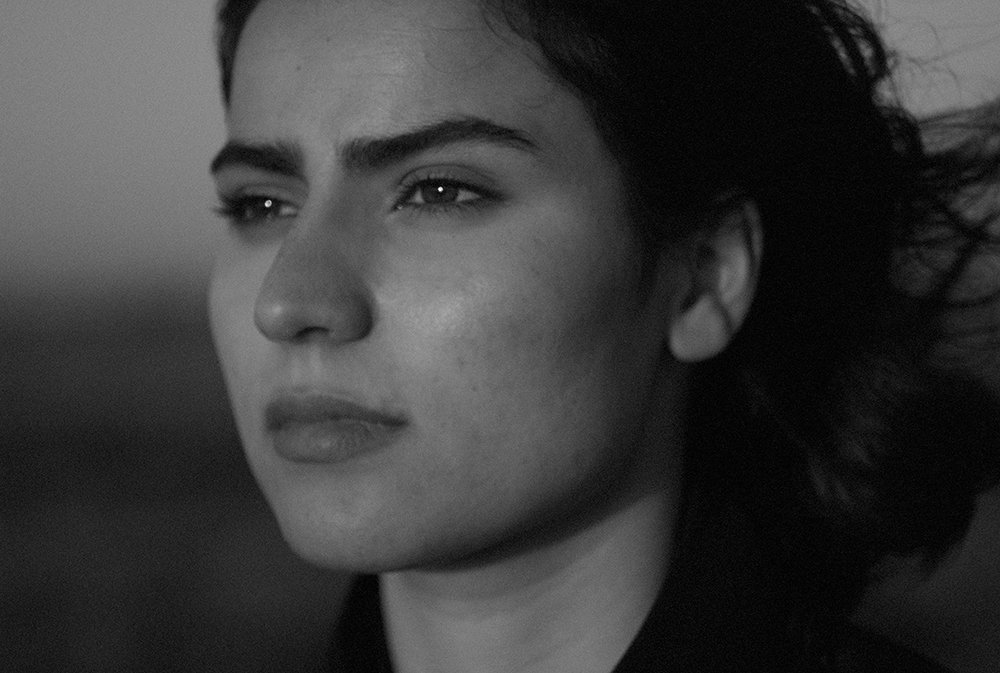
Filled with authenticity, an endearing heart, and hilarious wry, deadpan comedy, Iranian filmmaker Babak Jalali channels his inner âearly-daysâ Jim Jarmusch (“Stranger Than Paradise,” “Down By Law”) for his latest feature, “Fremont,” which is easily one of the best indie breakouts of this yearâs Sundance Film Festival.
I started getting into Jim Jarmuschâs cinema when I reached my twenties. It took me a while to embrace with open arms the deadpan comedy of this American filmmaker, who was a significant component in the independent cinema movement of the 1980s. Jarmuschâs inspirations are evident, YasujirÅ Ozu and Jean-Luc Godard (who recently passed away), but his works donât resemble their filmographies. His pictures resemble the ordinary, simplistic routine lives of roaming characters. However, they are pretty paradoxical embodiments of prosaic daily living. With films such as “Stranger Than Paradise,” “Down By Law,” and “Permanent Vacation” (the Jarmusch film I like the least), he established his filmmaking ground on black-and-white simple and modest stories that were wry and contained deadpan humor. Because of those elements and his distinctive storytelling techniques, Jarmusch has inspired many filmmakers.
Drawing from Deadpan Filmmakers of the Past
Of course, he isnât perfect. I dislike a handful of films from him (“Permanent Vacation,” “The Dead Donât Die,” and “Broken Flowers” particularly). However, I do admire his craft a lot. You canât copy Jim Jarmusch’s style because it is merely impossible to replicate it to the same effect. Creating deadpan askew comedy is a challenging assignment. Ask Roy Andersson, whose deadpan melancholic existentialism truly stands out. His work may not be as apparent as Jarmuschâs. Yet, many keep testing it because itâs a fascinating way of creating cinematic dialogue if done correctly. One filmmaker who has recently tapped into the eclectic Jarmusch mix is Iranian director Babak Jalali in his latest work, “Fremont” (named after the city in Californiaâs San Francisco Bay Area), which is without a doubt one of the fascinating breakouts (and surprises) of this yearâs Sundance Film Festival.
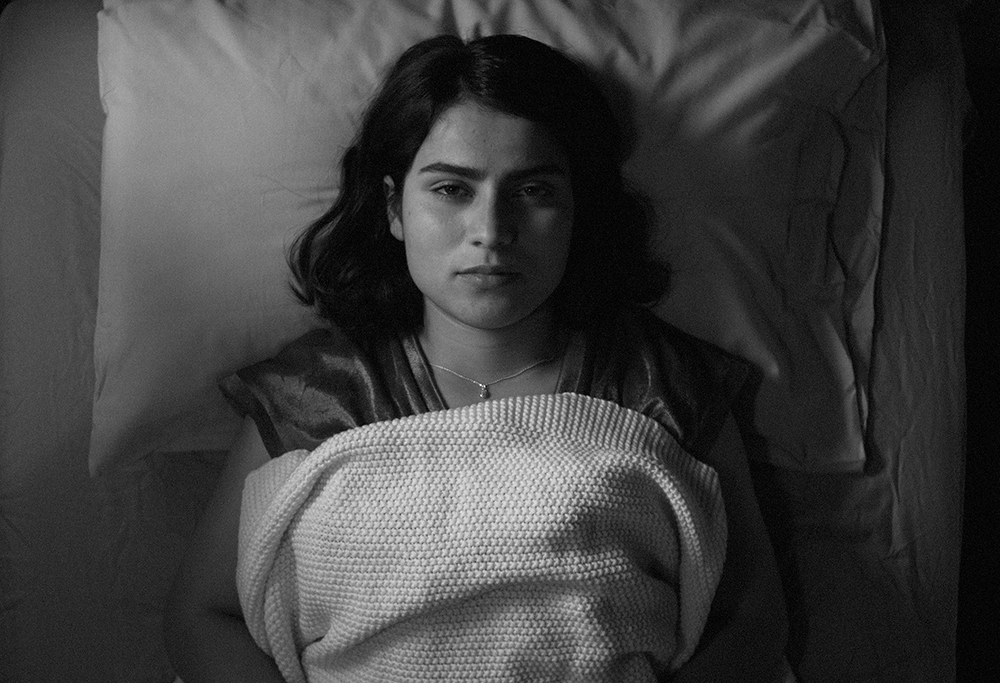
Set in its titular city, “Fremont” centers around a twenty-something-year-old named Donya (Anaita Wali Zada), a displaced Afghan insomniac who spends most of her time reflecting on her troubled past and lonesome present. Donya remarks that she âdoesnât spend much time thinkingâ because her social life is âtoo busy.” Yet, we all know that isnât true. Her social life is basically non-existent. Most of her neighbors in the apartment complex are Afghan refugees, which is why she experiences a more profound sense of alienation from the world. And working in San Franciscoâs Chinatown, where she writes optimistic messages for fortune cookies, isnât helping her. Her past as a translator for the U.S. Army is eating her alive, even though Donya isnât showcasing those emotions through her facial expressions. She left her family behind for fear of Taliban reprisal.
Anaita Wali Zada Crafts a Brilliant Performance
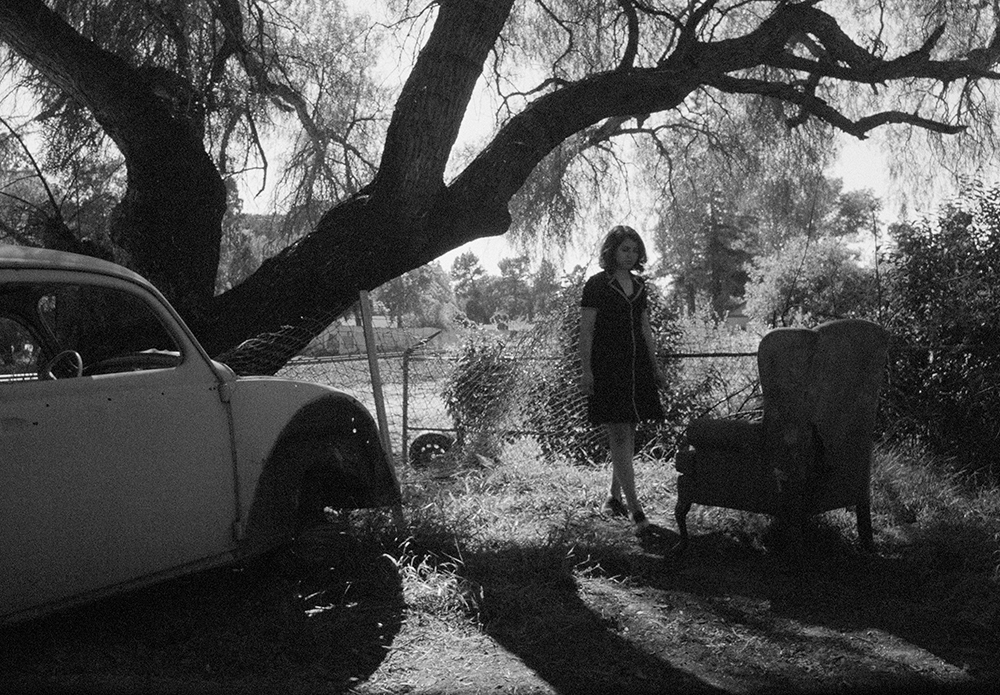
Donya is now bound in existential remorse and torment. That is one of the reasons she canât find sleep at night. To clear her head, Donya asks a doctor, Dr. Anthony (Gregg Turkington), for sleeping pills. He says he only takes her up on the pro-bono prescription if she does some sessions with him and talks about her past. At first, Donya doesnât want to do so because her inability to face the past is the primary thing causing her mental and emotional struggles. Finally, however, she accepts the offer to get some well-needed rest finally. This creates an odd yet widely fascinating dynamic between doctor and patient, as the deadpan comedy shapes “Fremont” as a multi-layered comedic venture into fractured minds caused by displacement and loneliness.
Balik Jalali crafts a Jarmusch-esque, yet distinctive in its own nature, film anchored not only by the hilarious performances (primarily Anaita Wali Zada, a real-life Afghan refugee) but its sharp screenplay, which is far more thoughtful than one would initially think. One of the keys to success in Balik Jalaliâs latest work lies in the expressionistic non-expressions. I mean that the actors donât depend much on facial expressions to showcase the characters’ emotions. Nevertheless, there are moments where they showcase warm countenances â like a bright ray of sunlight shining onto the film. Moreover, since its comedy is based on wry wit and deadpan line delivery, they donât do much with their faces. Hence, the screenplay must stand out to a high degree. Thankfully, Jalili and co-writer Carolina Cavalli deliver the acute punchlines and much-needed confidence to pull this narrative out.
Jeremy Allen White Steals His Scenes
On the other hand, “Fremont” might show some weaknesses in its monotony, apart from some pacing that requires patience from the audience. As a result, the story is relatively sparse, and it might drive some viewers away from it. Although it slightly hurts its viewing experience, this narrative structure has a thematic purpose. This is because it is centered in reality rather than wandering off into fictitious territory. Life contains many monotonous events driven by work or family-related circumstances. And “Fremont” focuses on the small yet irritating daily fights with ourselves (trying to fall asleep at night, overthinking the past, worrying about the future, wanting to be held by someone else, etc.).
All of this is closed brilliantly in the third act. Jalali and Zada deliver to the audience some minutes for us to connect on a broader level with the main character. And thatâs when scene-stealer Jeremy Allen White arrives. In less than twenty minutes, White gives us an array of emotions that capture the filmâs themes. His character, Daniel (a lonely auto shop owner), offers another glimpse into a man also trapped in a monotonous desolate life. Those minutes in which Donya and Daniel interact are beautiful and palpable. Thereâs a sense of understanding between the forlorn birds. They both know what they are going through in a way that helps “Fremontâs” emotional crux to be felt deeper. This beautiful and witty tale of isolation that has hints of early days Jarmusch and Kaurismäki closes with hopefulness for the two of them.
One of Sundance’s Most Touching Films
Living with dark memories, haunted by the past. Thanks to a newly found connection and progress in her sessions, Donya might finally be able to let go of her troubled past. “Fremont” is an ode to the beauty in the mundane and the forging of new life in unrecognized lands, led by a charismatic performance by Anaita Wali Zada. Based on reading the plot synopsis alone, I never expected that this film would be anything like it was. However, it was way different and equally better than I anticipated. “Fremont” is a unique experience and one of the best and most touching films I have seen at the festival.


âFremontâ is currently playing at the Sundance Film Festival. The festival goes from January 19 â January 29. Join us for continual coverage.Â




