






Apocalyptic movies are popular. Whether youâre 8 or 80, thereâs nothing better than watching the world fall apartâjust as long as thereâs a hero present to save the day.Â
But why do movies like âArmageddonâ and âThe Hunger Gamesâ consistently top the Box Office charts? Is it because we have a morbid fascination with our own downfall? Or, perhaps thereâs something cathartic about watching humanityâs chapter on this earth come to an end.Â
Coping and Resilience
Watching the downfall of humanity will get anyoneâs heart racing. Even if the end of days comes, as T.S. Eliot predicted, ânot with a bang, but a whimper,â weâll still queue up to buy tickets and watch it happen.
Our fascination with the apocalypse may be an advanced form of catharsis. By watching movies like âThe Road” and âA Quiet Place,â we get to practice our response to grief. This is particularly important today, as pandemic grief is a tangible struggle felt across the worldâyet it can make you feel entirely alone. Even in normal times, grief can be an isolating process. As we attempt to leave Covid-19 in the rearview mirror, perhaps movies can help us navigate the grief weâre experiencing in the safety of our own homes.Â
Itâs worth remembering that not all apocalypse movies are action thrillers. The subgenre of apocalyptic comedy is thriving, as movies like âShaun of the Deadâ and âSeeking a Friend for the End of the Worldâ have drawn laughter from movie-goers around the world. These movies show us that, even as the light of humanity flickers, Steve Carell will still be there to make a pun or stub his toe.Â
Heroes and Challenges
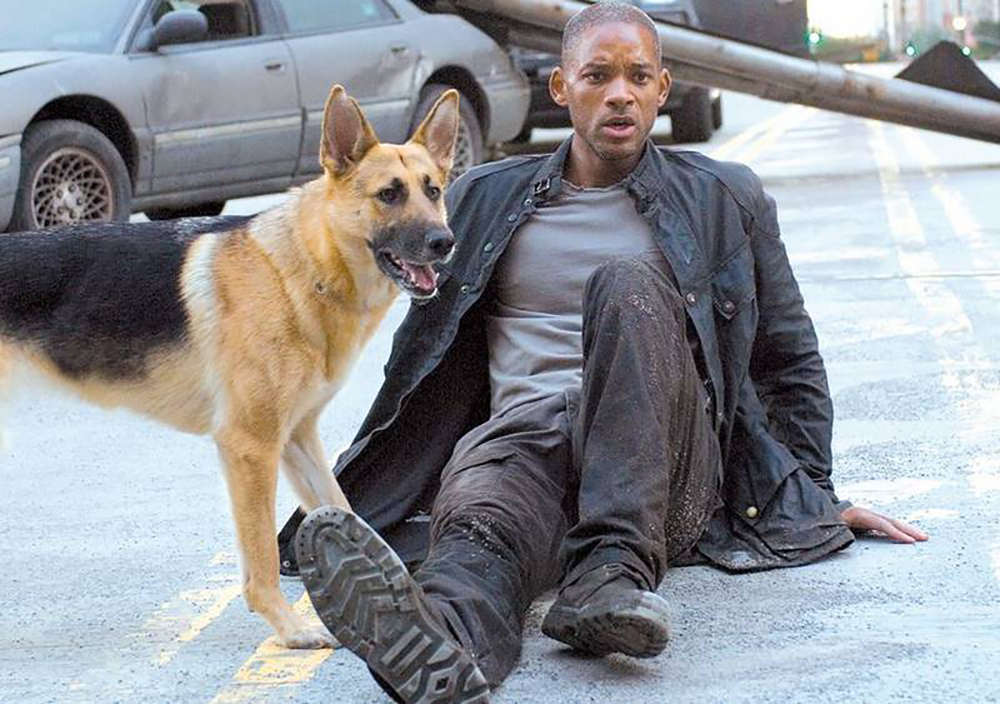
Standing at the pinnacle of the apocalypse genre is the âapocalyptic adventure.â A single hero pulls themselves from the rubble of civilization, stands on a perfectly lit pile of rubble, and shouts a variation of âE Pluribus UnumâââFrom Many, One.âÂ
Some of the best heroes face their greatest challenges alone. Will Smith, as the last human in New York City in the movie âI Am Legend,â never fails to draw a tear from moviegoers as he traverses the landscape with his dog. We implicitly understand the struggle that his character, virologist Robert Neville, faces and cheer for him as he corrals his will to live and belief in humanityâeven if he has to do it alone.Â
We also enjoy the shift in perspective that comes with apocalyptic movies. Imagine, for a moment, that your neighbor rang the doorbell and asked to borrow some milk. Youâd probably give it to them without a second thought. What if that same situation occurred in a post-apocalyptic future? Well, thatâs the conundrum that Stan faces in J.R. Bloomâs âThe Spinning Man.â
In âThe Spinning Man,â Stan spends his days eating chowder and watching nuclear fallout from the Cold War. His life takes a spin when another character calls into his shelter, asking for supplies. The paranoia is real, as Stan cannot trust the intentions of his new acquaintance and risks it all if he chooses to trade with the unknown person.
Imagining ourselves in the place of this hero is rewarding. We get to practice the decision-making of the damned and wonder what we would do if a zombie horde closed in on us at night.Â
Revolution!
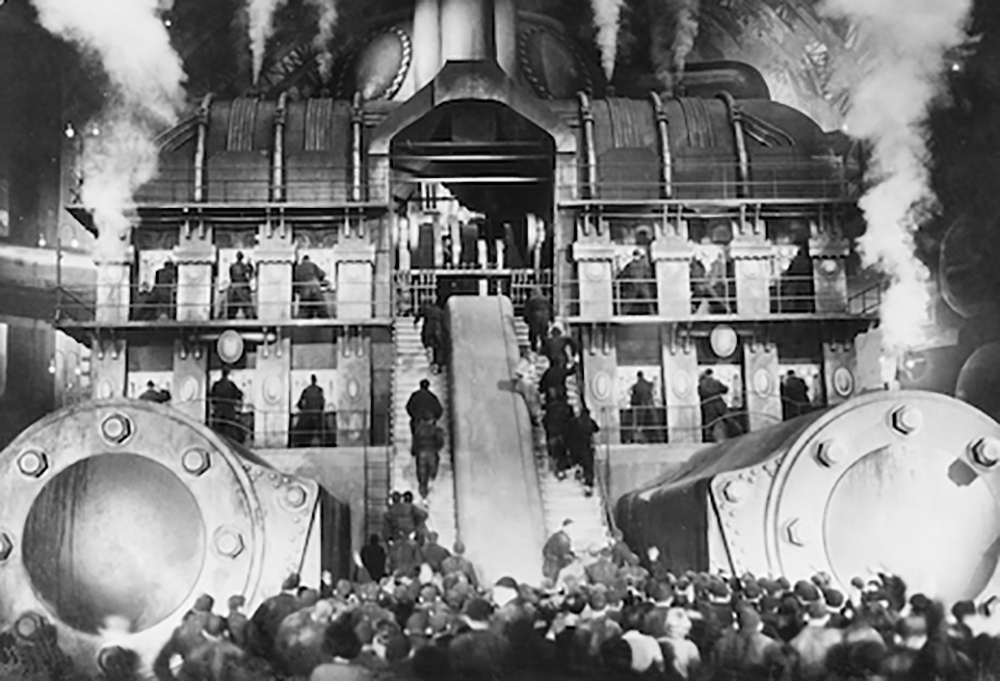
Disaster and catastrophe lead to the doorstep of revolution. At least, thatâs the plot of movies like the classic German silent film âMetropolis.â In âMetropolis,â workers toil under squalid conditions while their robot-loving overlords live in skyscrapers and benefit from the fruits of the workersâ labor. After the first act, we learn that the workers are planning to escape these apocalyptic conditions by staging a revolution.Â
Revolution in âMetropolisâ is a messy affair. Deceit leads to disaster for all, and we donât get the happy revolution that we might hope for. However, the theme of revolution in apocalypse movies holds true until today. In Dennis Villeneuve’s âBlade Runner 2049,â the machine men are swapped for replicants.Â
In Villeneuveâs sequel, the protagonist, Officer K, unravels his past and comes to understand that his functionâto eliminate replicantsâis fundamentally unethical and against his self-interest. Through deception and investigation, he sows the first seeds of revolution and mobilizes all those who would stand against the Tyrell Corporation’s stranglehold on society.Â
The struggle that we witness on screen replicates the struggles that we face today. As Slavoj Žižek points out, climate catastrophe, the war in Ukraine, and global hunger crises push us to âmobilize in ways that will benefit us long after the war [in Ukraine]is over.â Like Officer K, we cannot reasonably expect to change the world alone but must band together to imagine a better future born through the continued global catastrophes. Â
Conclusion
Apocalyptic movies scratch an itch that many of us didnât know we had. We love watching Mad Max careen across deserts in search of water and will forgive the most egregious Deus Ex Machina if it means the hero lives to see another day. And, if blockbuster action/horror isnât your thing, you can always cue up âWall-E” and have a good chuckle at humanity’s blunders.




