âImmaculateâ (Romanian: “Imaculat”), Romaniaâs official selection to the 95th Academy Awards for ‘Best International Feature Film,’ approaches a heavy subject matter with tenderness without being too dramatic. Filmmakers Monica Stan and George Chiper-Lillemar tell a story of the loss of a young womanâs innocence in a world where she clearly doesnât belong. And with Ana Dumitrascu front and center, the end result is a heartbreaking yet revelatory journey toward self-discovery.Â
The film begins at a drug rehabilitation center, where the only character we see is 18-year-old Daria (Dumitrascu). She answers pointed questions from the administrator offscreen, with Dariaâs mother interjecting at certain points in the conversation. It becomes clear that Dariaâs mother admitted her daughter to rehab to help Daria kick the drug habit she got from her junkie boyfriend Vlad, who has gone to prison.
As the planned recovery program for the young woman would run from three to four weeks, the administrator and Dariaâs mother agree to keep the rehabilitation a secret. They reason, after all, that Daria has a bright future awaiting her, and losing everything to drugs would be such a waste. Dariaâs school would then receive a medical excuse classified under depression should it inquire of her whereabouts.Â
Inside rehab, Daria catches the attention of the mostly male junkies inside. And with her perceived innocence, they decide to treat her in a special way and be protective of her. But this strange arrangement comes with a price, something Daria might not be willing to pay.

A Sensitive Subject Matter Handled with Utter VerisimilitudeÂ
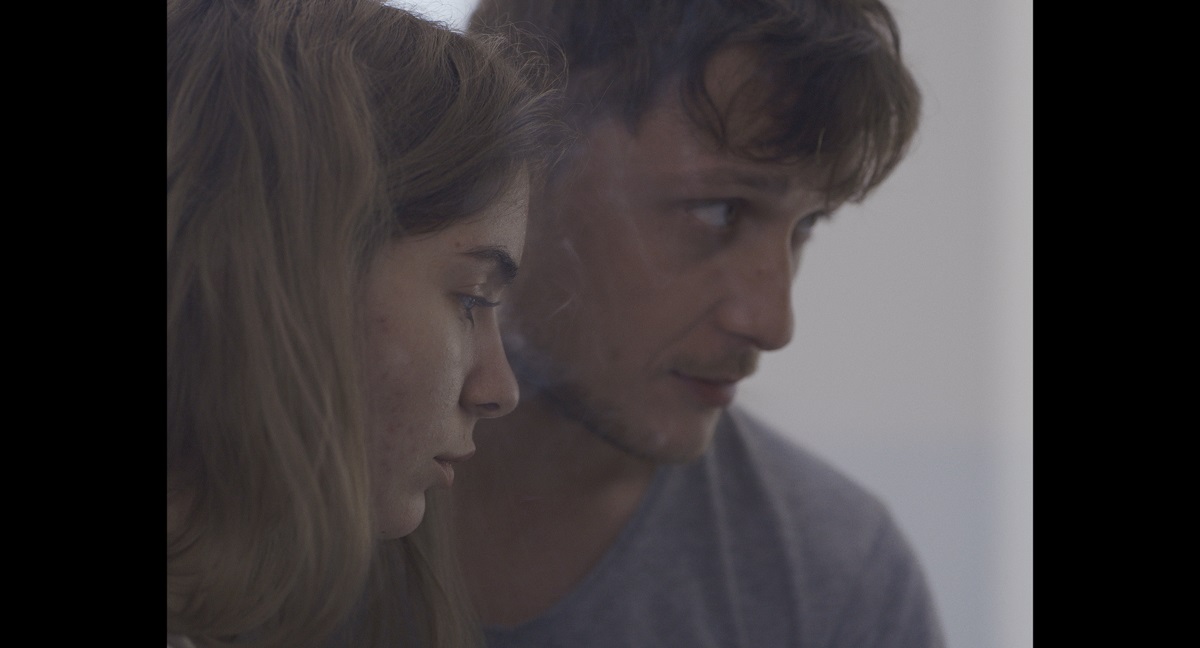
âImmaculateâ carefully deconstructs the established order (or chaos) in the rehab to invite the audience in examining the world not only through Dariaâs eyes, but also through the junkiesâ. Being the newest patient at the rehab, she immediately becomes the center of attraction for the junkies there. They interrogate her about her drug history, relationship status, and even sexual history while they invade her personal space.Â
As her innocence saves her from the sexual advances of the male junkies, Daria instead enjoys their protection and special treatment. That, however, begs the question: Are they protecting Daria from external forces, or from themselves?Â
Exacerbating the situation is Daria herself. Early on, the nurse who administers the daily medicines reassures her, âTime flies in here, youâll see.â But even as the story unfolds, audiences begin to wonder: Does she even want to go out?
The film doesnât explicitly show it, but Daria doesnât seem to mind the attention; in fact it looks like she appreciates it. Thereâs an implication, which she later confirms, that her drug use started as an effort to connect with his boyfriend; who at the time couldnât kick the habit even if the world ended then and there.Â
The filmmakersâ choice of juxtaposing Dariaâs stint at the rehab with the other recovering addicts, and the debilitating effects of drug misuse work like magic here. Like oneâs drug intake, the dynamic starts harmless, before becoming dangerous. And as it goes with naivete, being desired yet protected by everyone is a potent, intoxicating drug in and of itself.
Related Review: âBeautiful Boyâ Uses Great Performances to Portray the Conflict of a Father and Son against Drug Abuse
âImmaculateâ: Hard to Watchâfor All the Right Reasons
In âImmaculate,â subtleties in dialogue make for a deeper analysis as far as addiction is concerned. When the men inside rehab pester Daria, one of them rebukes the rest by telling them to go easy on her. âSheâs sick for real.â
Retorts one of the male junkies, âAnd Iâm well? Weâre all sick in here.â
It might be a small detail, but that exchange highlights how a drug-addled person might lose themselves in the shuffle and just suspend disbelief by deferring to othersâ affliction as if they donât suffer from the same sickness.Â
For all the filmmaking and narrative choicesâthe bland color scheme, excessive eye level shots, the claustrophobia-inducing aspect ratioââImmaculateâ works, and then some. With its slow pace that at times drags, it feels as if the filmmakers wish the audience to slow down and keep pace with Daria as she gradually sheds her innocence off. Nonetheless, the film doesn’t feel exploitative, nor does it resort to melodrama as many movies about addiction are wont to do.Â
Inspired by filmmaker Monica Stanâs own experience, âImmaculateâ can be hard to watch at times, and yet its honest examination of addiction is something the audiences canât look away from. And after all, isn’t that the point? Addiction shouldn’t be glossed over or, worse, romanticized.
At its core, though, âImmaculateâ is a young womanâs search for genuine human connection; and how such misguided pursuit led to unfortunate events, ultimately forcing her to confront a reality thatâs far from the rose-colored view sheâs held for so long.


Support the Site:Â Consider becoming a sponsor to unlock exclusive, member-only content and help support The Movie Buff