





Adaptability is the reason for a coyoteâs survival. According to National Geographic, coyotes will eat anything â mice, lizards, insects â allowing them to exist, if not exactly thrive, in any environment. In the first few scenes of Katherine Jerkovicâs “Le Coyote,” her thoughtful and searching second film which premiered at TIFF this weekend, we learn that Camilo (Jorge Martinez Colorado) had owned and lost a restaurant, Le Coyote, where he was head chef. Now, heâs working nights with a cleaning crew, interviewing for a job that will get him back in the kitchen. He looks comfortable in his one-bedroom apartment in suburban Montreal, yet thereâs more to him than this solitary life. Jerkovic strategically withholds key information, revealing Camiloâs complicated backstory gradually. He presents a story that is personal and relatable, hopeful and tragic. Itâs a complex film that evokes contradictory themes and feelings. In other words, itâs all about family.Â
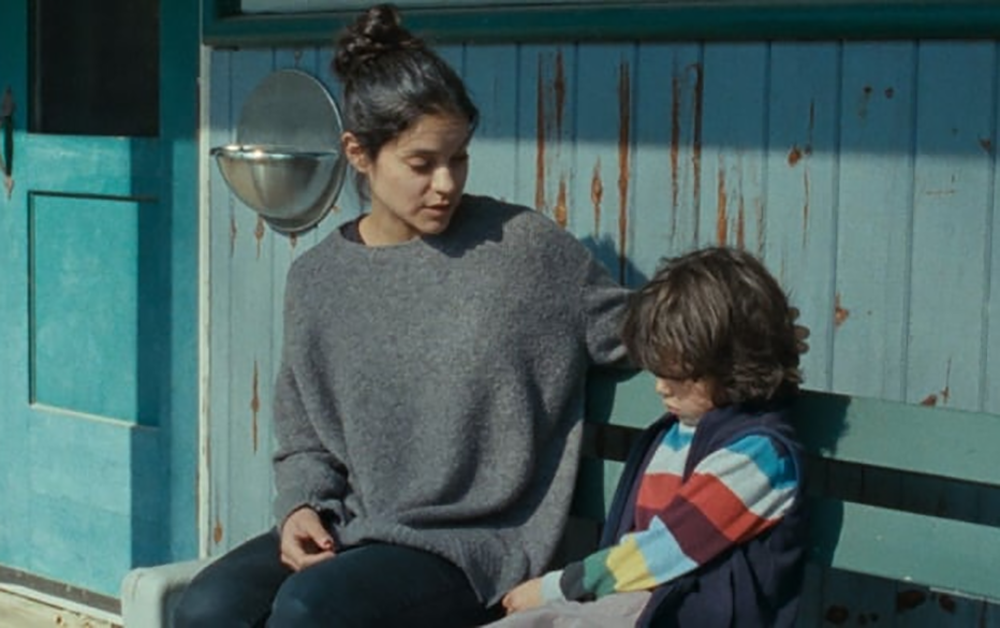
Camiloâs adaptability is tested early on when his daughter Tania (Eva Avila) surprises him at his apartment. She needs a favor. Camilo resists, wincing with a look of despair that begs, not again. Tania is going to rehab and needs Camilo to watch her son Zachary (Enzo Desmeules Saint-Hilaire) â who Camiloâs never met â for the next three weeks. The timing could not be worse: Camilo finally landed a chef job that would take him several hours away. Besides, Camilo also works nights, so heâd need to pay for a babysitter. Jerkovic gives the impression that Camilo will be able to do it all, as he negotiates a later start to his new job and navigates daycare for his grandson. Predictably, things change for the worse, and Camiloâs journey is redirected when his daughter relapses and extends her stay in rehab.Â
Jerkovic’s Film Defies Easy Classification
Independent films of a certain nature are often described as âunderstated,â and itâs tempting to apply that label to “Le Coyote,” a restrained domestic drama that centers on family conflict and unspoken emotions. But Jerkovicâs film resists easy classification because it packs so much tension â parenting troubles, addiction, financial insecurity â in a taut 89-minutes. Thereâs no background music to emphasize plot twists, no flashbacks to provide shortcuts to learning about these charactersâ big life events. To call it understated or minimalist â another popular adjective â would be misleading. “Le Coyote” is an ambitious film that has plenty to say about the sacrifices and mistakes people make, and Jerkovicâs script doesnât take clear sides or moralize. Neither Camilo nor Tania are perfect parents, and just because they fall short in some ways doesnât mean they canât make up for it elsewhere.
Grief and compassion are two major themes, explaining the decisions these protagonists make. We learn what Camilo has lost, and who Camilo and Tania are living without, and these big reveals are never jarring or misplaced. Cinematographer Léna Mill-Reuillard is keen on giving these characters enough space to do what real people do, without judging or glorifying them. It looks natural because it all happens naturally: Tania nervously eating french fries with Zachary, Camilo trying to sleep in on a Saturday. The interiors that she films seem so universal that they could belong to any of us. And yet, thatâs Camiloâs shot glass, thereâs Zacharyâs bed, and Taniaâs stuffed animal. What matters to them is what matters to us. The film strikes a canny balance between maintaining a certain distance while also raising the narrative stakes simply by zooming in on their inner-lives.Â
Jerkovich’s Film Leaves us Wanting More at the End, a Testament to Her Filmmaking
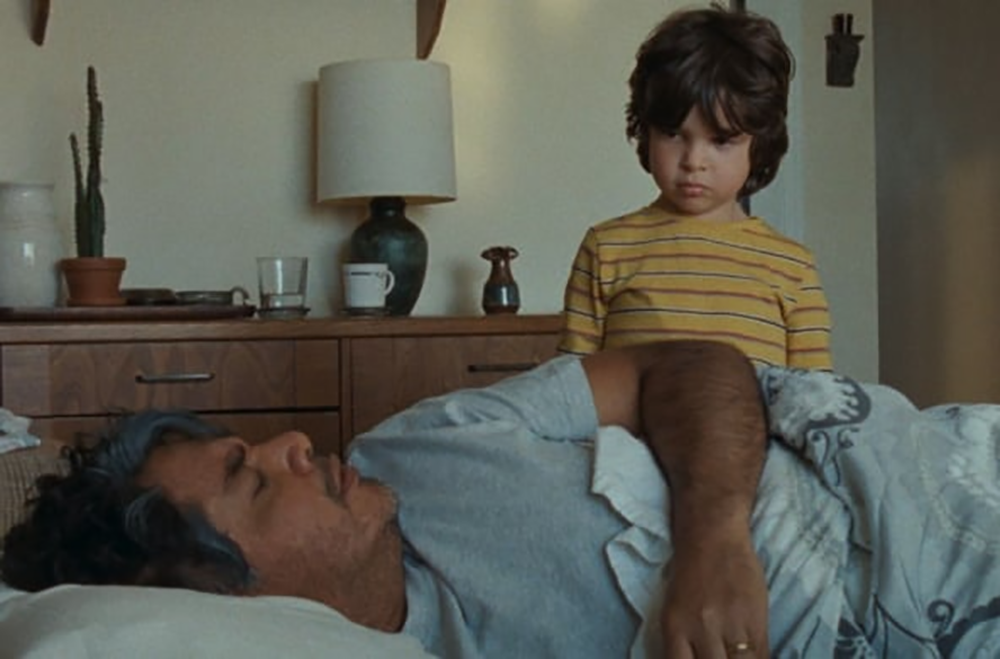
If the film has a liability, itâs that it concludes, leaving more questions than answers. And thatâs forgivable to a degree since the rest of the film is so intricate. Jerkovic handles the intensity of the material delicately, and in Avila, Colorado â who looks like a distant relative of Taika Waititi â and Saint-Hilaire, sheâs found three actors who rise to the challenge of knowing when to crank up â and pare back â on the emotional tone of their performances. This isnât a family melodrama in the Douglas Sirk or Pedro Almodovar tradition; itâs more like a Kelly Reichardt adaptation of an Alice Munro short story. Or a Ken Loach treatment of a late-career Yasujiro Ozu script. We sympathize and hurt with these people, because we know them, or see versions of ourselves on-screen. And maybe thatâs why the incomplete finale hurts; itâs too true to life.Â
In the End, a Film All About Family
Jerkovic does leave us wanting more at the end, and thatâs a testament to her gift for crafting a gripping film that boils and simmers down in equal proportions. She asks less of the audience than she does of her characters, a trio of hard-knock relatives bonded by blood and tragedy, fighting like coyotes to adapt to the impossible stress of change. So maybe the filmâs ending isnât a letdown merely because it fizzles. Itâs that uncomfortable realization that the real hard part has yet to come for Camilo, Tania, and Zachary. There are some favors you just canât refuse, and Jerkovic makes it easy to care and root for these heartbroken and resilient characters. Things may improve and they might not, but giving these three a tidy and happy ending wouldnât service this subtle and profound film.Â

“Le Coyoteâ is part of The Movie Buffâs continuous coverage of TIFF 2022. Follow us for more reviews this week.Â
Support the Site:Â Consider becoming a sponsor to unlock exclusive, member-only content and help support The Movie Buff!


