Alfred Hitchcock and James Stewart are two of my favorite movie stars. Hitchcock is a master in the art of filmmaking. Several of his creations are nestled amidst my Top 100 and Iâve many more to witness. Likewise, Jimmy Stewart is a memorable icon and star of some of the greatest movies ever made. In 1954, the pair would team up for the second of four films with âRear Windowâ and prove how masterful each of them are.
Written by John Michael Hayes and based on Cornell Woolrich’s 1942 short story “It Had to Be Murder,” âRear Windowâ was nominated for four Academy Awards. The entire 112 minute picture is set within the confines of a single location; a small Greenwich Village apartment amidst a sweltering heat wave. The story is gripping, and the isolated location makes for a thoroughly unique presentation, one that only a master like Hitchcock could exploit so well.
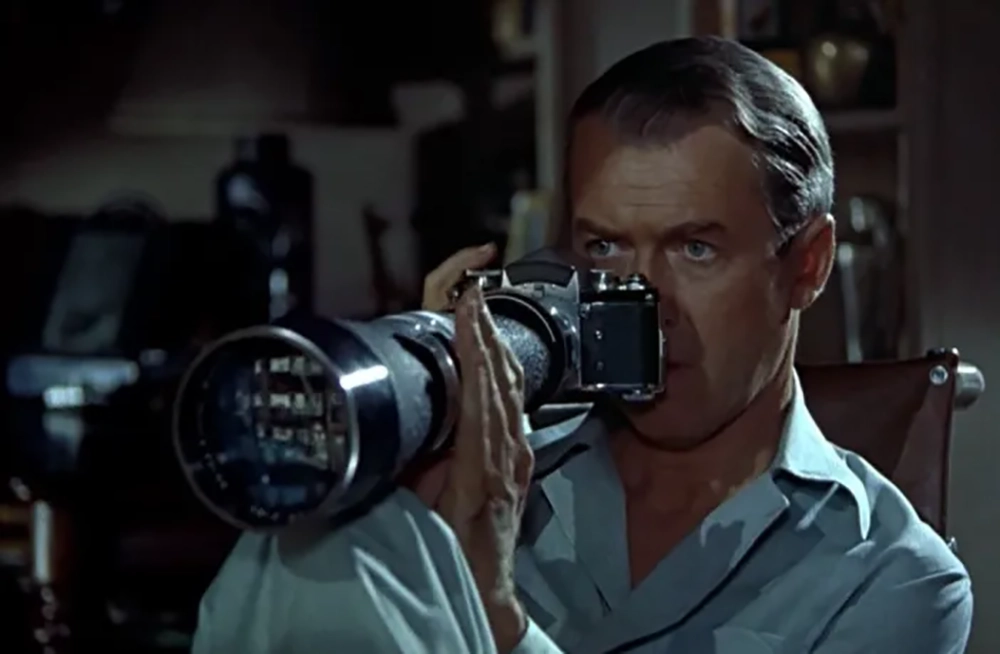
LB âJeffâ Jefferies (Stewart) is an award winning photographer. Jeff is confined to a wheelchair; the result of a broken leg sustained six weeks ago. With no Netflix and no Instagram, Jeff keeps himself amused looking out his window at various tenants in another apartment building. The hobby seems benign enough, until late one night when he hears a womanâs scream.

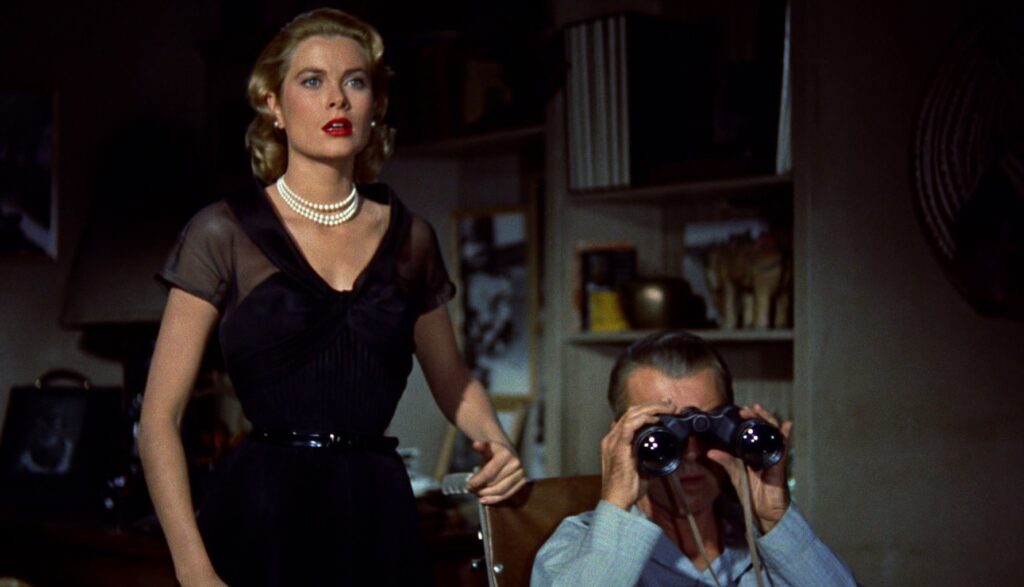
A Benign Hobby that Turns into Something More
James Stewart shines as Jeff. Itâs a unique role in that the character does very little but also does everything. Heâs stuck in a wheelchair where he sits all day and dozes on and off all night. Jeff’s a photographer who lives a life of danger. Heâs a bachelor with no shortage of female suitors, and no desire for marriage. The reactions Jeff has as he watches the various apartments is subtle perfection. Without speaking a word, Stewart can flawlessly convey any range of emotion.
Supporting roles are handled strongly by two actresses; Grace Kelly as Jeffâs girlfriend Lisa, and Thelma Ritter as his nurse, Stella. The women take turns coming and going into the apartment for various reasons. Both have close connections with Jeff and desires for him to change his life in a variety of ways. We the audience are never quite certain if a sinister looking neighbor (Raymond Burr) has committed murder. Itâs fun to watch Lisa and Stella humoring Jeff about his worries. âEverything this fellow’s done has been suspicious.â He protests to anyone who will listen. âAnd now since last evening, not a sign of the wife. How do you explain that?â

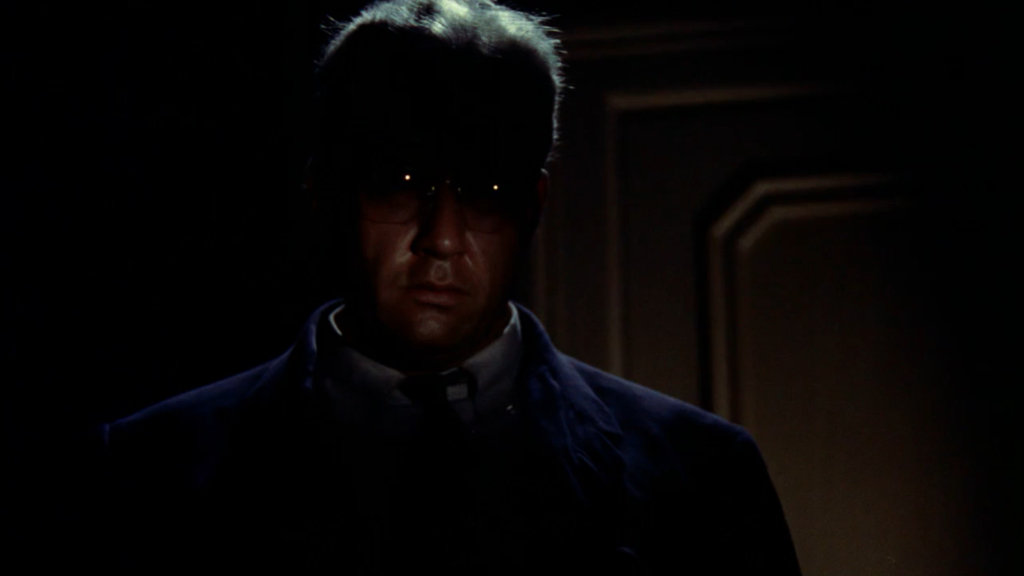
Hitchcock becomes a character himself, in his traditional cameo role, and his mastery behind the camera. Opening shots establish the setting and cast. We get a quick glimpse into the stories of Jeffâs neighbors; a newlywed couple, a struggling musician, a cute woman who dances around her kitchen. Hitchcock employs the use of a shaky hand held camera to represent eyes going from one window to the next. Itâs great writing that the injury occurred six weeks ago. We can assume the Jeff character has been watching this channel for well over a month.
The established heat wave makes the plot incredibly believable.
Screens are open and thus, Jeff has a perfect view from his high rise window. I love that he has nicknamed the people he watches; this is something I do when referencing strangers I repeatedly encounter at the gym or in hallways at work. Itâs reality in the years before reality TV. And its voyeurism in the decades before social media. Â âWe’ve become a race of Peeping Toms.â Stella warns. âWhat people ought to do is get outside their own house and look in for a change.â Nostradamus, anyone?
âRear Windowâ is a lauded classic, and with good reason. It takes an incredibly simple story and setting and turns it into a masterpiece of cinema.

âRear Windowâ is currently available to rent.
Support the Site:Â Consider becoming a sponsor to unlock exclusive, member-only content and help support The Movie Buff!