





This is a spoiler-free article about Sam Raimi’s âDoctor Strange in the Multiverse of Madness.â The film is currently in theaters.
You accidentally opened a portal that bridges your Earth and different dimensions and universes; because a spell you were trying to conjure got corrupted by your young allyâs constant requests for alterations to the spell. You eventually saved the day by sending those who sneaked into Earth back to where they came from. Problem solved? Maybe not. And not if youâre the Master of the Mystic Arts, who just unleashed a multiverse of madness.
âDoctor Strange in the Multiverse of Madnessâ is your standard Marvel Cinematic Universe (MCU) entry: big and bold, intimate and subdued, calculated and cold. Just how much of a difference maker having director Sam Raimi (and Danny Elfman!) back on board can beâthat is whatâs in play.
[Related Article: Review: âDoctor Strange in the Multiverse of Madnessâ Features Strong Performances and Impressive Visual Effects]
How a Single Action Created a Ripple Effectâand Opened a âMultiverse of Madnessâ
âDoctor Strange in the Multiverse of Madnessâ picks up a few months after the events of âSpider-Man: No Way Home.â At this point, people have become aware of Earthâs mightiest heroes and their deeds to save Earth from destruction. Dr. Stephen Strange himself has become sort of a celebrity; with people asking to take photos of him even as he demands answers from a mysterious teenager with abilities. Even his former colleague and rival surgeon Nicodemus West calls him the best surgeon and the best superhero.Â
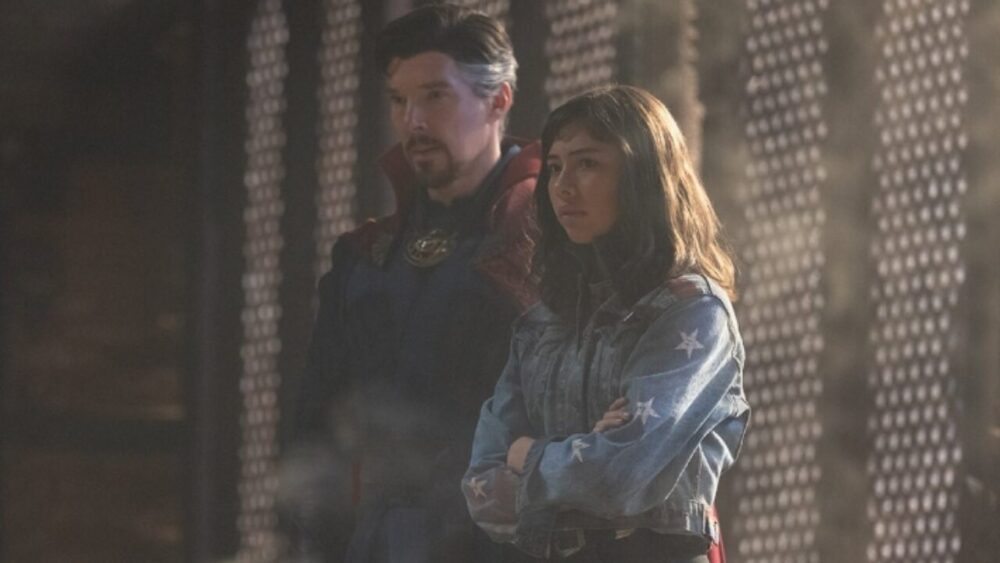
When he sleeps, however, Strange has nightmares where he accompanies a girl in a portal to retrieve a thing that would help the girl control her powers. He betrays her, however, and they both die. When that girl shows up in New York Cityâon the day Strangeâs former flame Christine Palmer gets betrothed to someone elseâStrange finds out that it wasnât a nightmare. The same girl with mysterious abilities tells him that itâs a version of him from another universe.Â
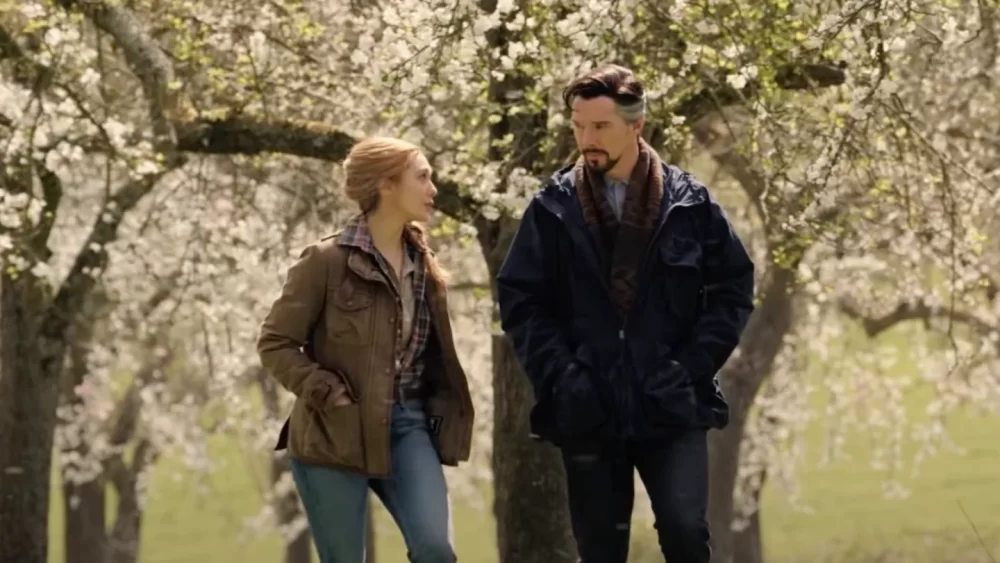
Sensing danger at the prospect of multiverses giving way to cracks as a result of his actions in âNo Way Home,â Strange enlists the help of an unlikely ally: A [scarlet]witch living peacefully in hiding. Stating her desire not to use her powers anymore, Wanda tells Strange that Vision had his theories about the multiverse and the dangers it brings. When Strange confirms this and asks for Wandaâs help, the movie takes a sharp 180 and goes full-on batshit crazy.
And with someone like Sam Raimi calling the shots, why arenât I surprised?
Losing Oneâs Way in the Trappings of [Franchise Movie] Conventions
âDoctor Strange in the Multiverse of Madnessâ marks Sam Raimiâs return to directing after a nine-year break. Following his 2013âs âOz the Great and Powerful,â Raimiâs name had been linked to several projects, none of which came to fruition. So itâs no surprise how much his fans have been waiting for this sequel to the 2016 film âDoctor Strange.â More importantly, people want to know whether Raimi (a known highly dynamic filmmaker) can work around MCUâs conventional formula of storytelling.
Hereâs the thing: Sure, there are enjoyable Easter eggs in the film that are Raimiâs directorial trademarks. The wipe as transition effect, the slapstick-inspired camerawork, the campâall of these spell out âRaimiâ in shouty, bloody capitals.
Working on a screenplay by Michael Waldron (âLoki,â âHeelsâ), Raimiâs return to the directorâs chair doesnât particularly scream âIâm back!â In contrast, it looks like a filmmaker testing the waters after a nine-year absence. And what better way to test the waters than a franchise superhero film that runs on a solidâalbeit predictableâformula and almost always guarantees financial and critical success?
However, when all is said and done, “Multiverse of Madness” feels like a forced union between an auteur with highly defined and unrestrained ostentatiousness, and a studio hell-bent on keeping the well-oiled machine running with tried-and-tested methods. And the results of that awkward fit sticks out like a big toe.
The narrative predictability of “Multiverse of Madness,” visual flair and emotional performances aside, prevail over Raimiâs maverick filmmaking. And while his usual trademarks are in the film (Pizza Poppa is a very nice touch), the movie as a whole doesnât jell as cohesive as they should.
âMultiverse of Madnessâ: Convenient Avenue for Crossoversâ¦or Franchise Reboots
This might be a hot take, but this needs to be said: Introducing the multiverse is a double-edged sword. For crossovers, this is very much in the alley of fan service. Imagine the X-Men appearing alongside the Avengers. Or Deadpool trading wisecracks with Spider-Man (or Spider-Men). Or the Fantastic Four now finally having a great film that they simply couldnât get.Â
But letâs focus on the dramatic impact of the films, “Multiverse of Madness” included. While the concept of multiverses tantalizes fans of movie franchises that employ this narrative device, ultimately it reduces the emotional impact of the film several times over. This is important, because knowing that there are infinite universes means that a character mourned over in previous installments could simply return as their own selves from another universeâ¦featuring the same actors.
Worse, they could be played by another actorâpreferably younger and who commands a lower salary, both to accommodate future installments.Â
And judging by the way things are shaping up with Marvel Studios, it looks like weâre on the lookout for Scenario #2.
Emotions Underscoring Unresolved Grief and Regret Make for Top-Notch Performances
Yes, itâs a little disconcerting to realize that the emotional stakes eventually mean little, when all one has to do is consider the other universes out there. Who knows, their favorite character who had just passed is living happily someplace elseâand is due for a visit on their Earth anytime now.Â
For me, this is vital, since Elizabeth Olsen and Benedict Cumberbatch give very powerful performances in the movie. Cumberbatch’s Strange tries to come to terms with the reality that he and Christine wouldn’t have worked things out anyway; and that no matter what universe he seeks, he might get the same outcome again and again. This is a nice callback to that “What If…?” episode, which deserves a good re-watch.Â
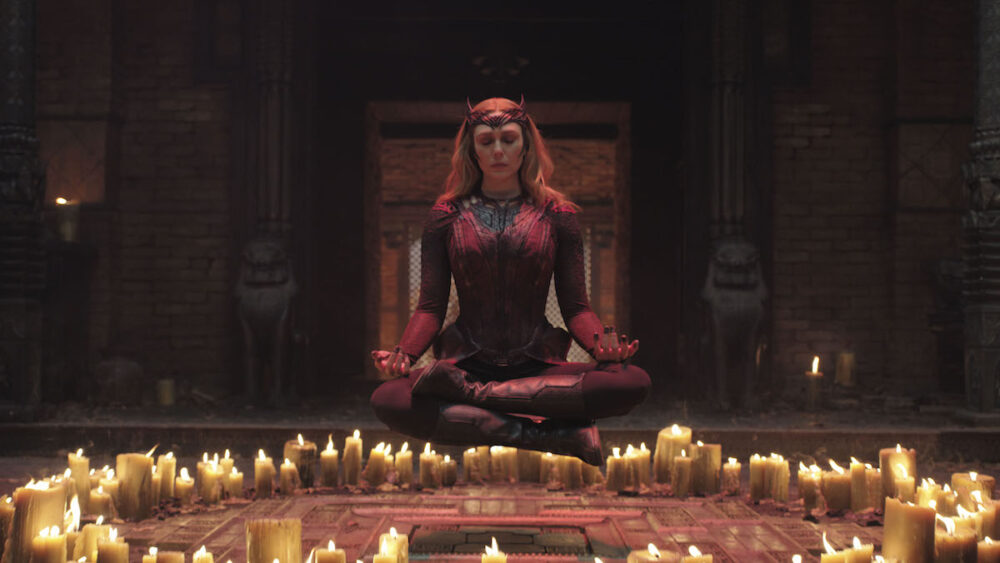
But here, I’m reserving my praise for Olsen. Her Wanda, in particular, is heartbreaking. The character’s trauma depicted in WandaVision comes to the fore here; she grapples with accepting the fact the children she conjured will never be real. Any parent would go for unspeakable pain just to be with their children; Wandaâs pain is something that just resonates with great effect.
And when we think of it, the film should make sense. After all, these are people with the ability to wield realityâand even seek new dimensionsâstruggling to accept the one before them.
So what could stand in the way of great storytelling?
When Fan Service Prevails Over Cohesive Storytelling
Try as one might to avoid the years-long discussion about superhero films being theme parks, this time it begs some revisiting. And when the story suffers as a result of spectacle, thatâs where we draw the line.
“Multiverse of Madness,” in all its unapologetic and uneven glory, is MCUâs follow-up to the fan service they gave audiences with âSpider-Man: No Way Home.â Indeed, the film doesnât shy away from blatantly giving in to fan cravings, and, understandably, audiences will consume those scenes with hearty delight.Â
As the filmâs plot unfolds and builds up to reveal its surprises, the thrill consequently subsides. The excitement suddenly dissipates. This is followed by the irresistible urge to mentally command the affair to pace itself better to make way for another wave of climax.
No, weâre not talking about theme park rides. Weâre still talking about the film.
With all the callbacks, cameos, and visual effects at play, I ended up zeroing in on one critical thing. While the film may satiate oneâs eyes and use fan service to tease bigger things to come, the most important aspect of the movieâthe core story withinâremained elementary at best.
Ultimately, âDoctor Strange in the Multiverse of Madnessâ is a visual treat. Itâs a film that knows the demands of its fanbaseâand promptly delivers on its promise.
Whether it makes good on what the audience needs, however, is pretty much up in the air.Â
Support the Site:Â Consider becoming a sponsor to unlock exclusive, member-only content and help support The Movie Buff!


