





Linklaterâs latest venture into animation, “Apollo 10½: A Space Age Childhood,” is probably his most personal story yet. However, it contains wearisome and bland narration as well as a sense of detachment.
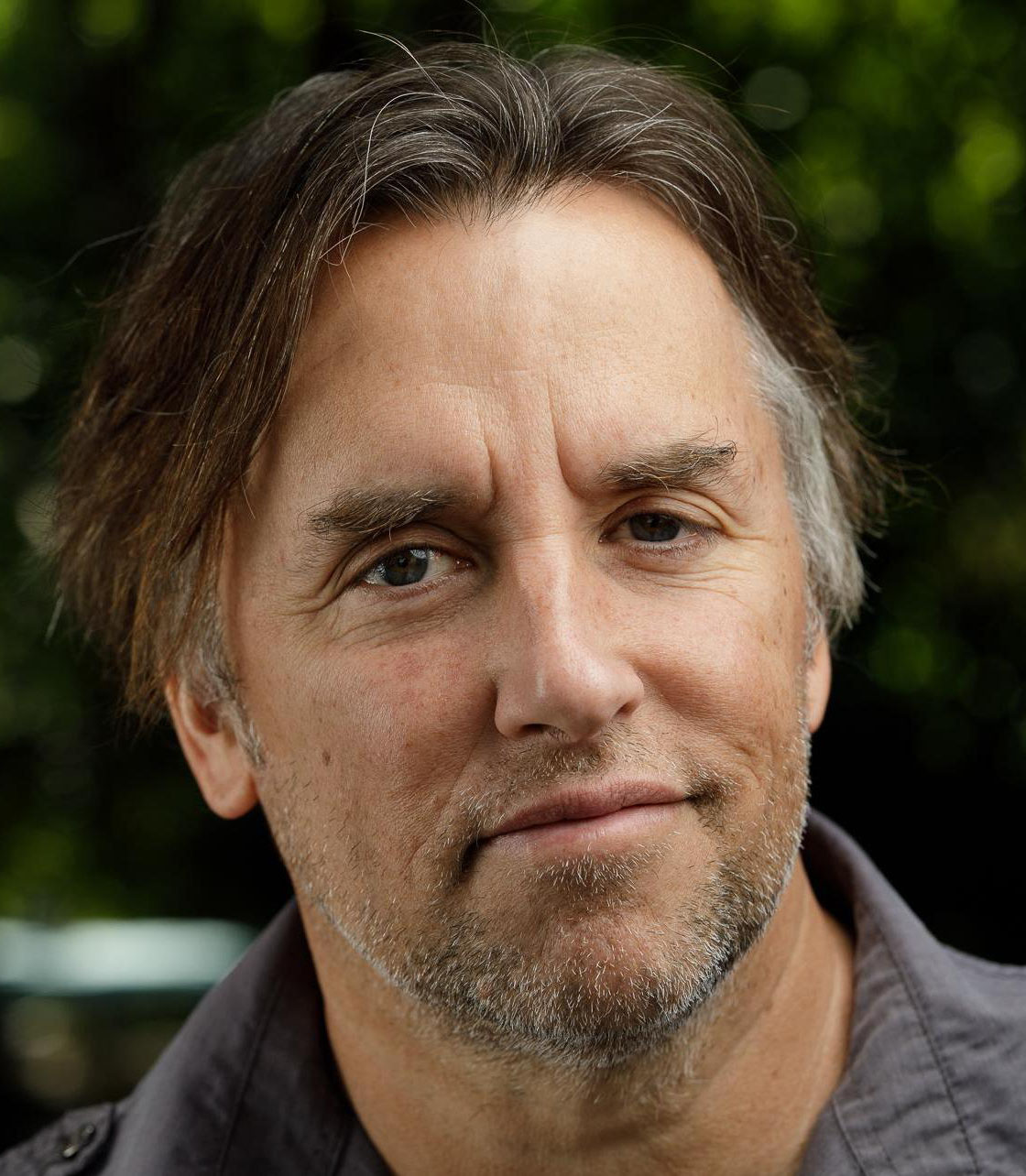
Self-taught Writer/Director Richard Linklater dubbed a significant part of his work, which for the most part is set during a 24-hour period, as âthe youth rebellion continuum.” Through this, he explores the various generational traditions and rites with a sense of compassion rather than animosity. These stories have an understanding of the youth and the culture surrounding its setting, mostly of his era, as no other director does. We clearly see this in his hang-out moviesâthe visibility of a past period through the eyes of the youth as they explore new environments.
‘Apollo’âA Combination of Linklater’s Stylistic Preferences
Now, Linklater comes with “Apollo 10½,” a combination of his stylistic preferences: animation and a coming-of-age era picture. This feels like the third part of a âtrilogyâ of sorts; “Dazed and Confused” dealt with the ’70s, and “Everybody Wants Some” dealt with the ’80s. “Apollo 10½” focuses on the late ’60s time of the beginning of space exploration in the heart of Houston. In addition, this also marks the third film Linklater has done with this distinctive type of animation; it is first shot digitally and then drawn using interpolated rotoscopes (“Scanner Darkly” and “Waking Life”).
By serving vignette-esque storytelling, you have some charming and fun moments…”
Narrated by Jack Black (who voices an adult version of the main character, Stanley), Linklaterâs latest venture into animation dwells into a narrative that recalls the directorâs memories. The moon landing, hanging out with his friends, trips to the beach, riding carnival attractions, among other activities, and small sacred moments spark a hint of nostalgia into its cinematic veins. It tells a story set in Houston, 1969, about a young boy named Stanley (Milo Coy); he starts imagining that heâs a secret astronaut being enlisted to assist NASA.
A Narration that Doesn’t Quite Fit the Narrative
Recognize that everything seemed possible and imaginable during those days because of space exploration. In the first few minutes, we start getting the absurd conscription of the kid by a pair of NASA scientists, Zachary Levi and Glenn Powell. Afterward, we learn the reason why Stanley was chosen for this critical mission (or so he envisions): the module for the Apollo was built too small by accident, and it needed to be operated by a child. It is pretty absurd; yet, since it comes from a young child’s imagination, it blends well with that part of the story.
However, things take a turn for the worse when that part of the story blatantly stops, and it goes with the nostalgia-induced plot points, which contain pontificate and saccharine narration by Jack Black (which is the filmâs main problem). Those moments arenât bad on their own; they arenât that emotionally engaging, albeit charming and relatively amusing. Scenes of the family going to the beach or the kids doing dangerous acts (basically having fun) are intercut with tiresome dubbing chronicles.
Lacking Some Needed Charisma
Jack Black sounds, in a way, disinterested in the scriptâno liveliness or vibrancy is coming from his voice, which is something unusual coming from the charismatic actor. Who’s at fault here? Is it Linklaterâs screenplay or the castâs commitment? It hurts to say such things because writing is one of the aspects that Linklater is best in. He has given us tremendously written cinematic pieces over the years (“Before Midnight,” “Boyhood”), and it is a bit frustrating that his latest, or maybe most personal film yet, lacks impact. We all know that “Where’d You Go, Bernadette” isnât that good either (many people say itâs his worst, albeit I disagree), yet that one had some charisma that made me keep watching until the end.
Still with some Charming and Fun Moments
Those issues do not entirely diminish it; if you take the narration out of the picture, I could argue thereâs a more entertaining feature underneath its shackles. By serving vignette-esque storytelling, as I mentioned earlier, you have some charming and fun moments with Stanley being a Richard Linklater stand-in (in a sort of âcliched, but we got with itâ type of scenario). Some of the scenes feel naturalistic and grounded enough that you could relate toâand if you grew up in that era, reminisce about itâthatâs where Linklater strives in its screenplay.
However, it gets annoying quickly when drowned in voice-overs and induces a run-of-the-mill innocuous state of sentiment. I love the culture and arts of the ’60s era. I also dearly enjoy when films explore that decade of reinvention in multiple manners (especially Hal Ashbyâs “Shampoo”). Nevertheless, “Apollo 10½: A Space Age Childhood” doesnât have that allure nor captivation; it doesnât contain that sensation where you could feel and grasp the atmosphere of the late ’60s. Again, it hurts a bit to be this harsh with a film of his since he has proven before that he can craft touching and beautiful movies. Regardless, lately, it feels like his features are lacking that âoomphâ that made his past work great.

“Apollo 10½: A Space Age Adventure” is currently available to watch on Netflix.Â
Support the Site:Â Consider becoming a sponsor to unlock exclusive, member-only content and help support The Movie Buff!


