





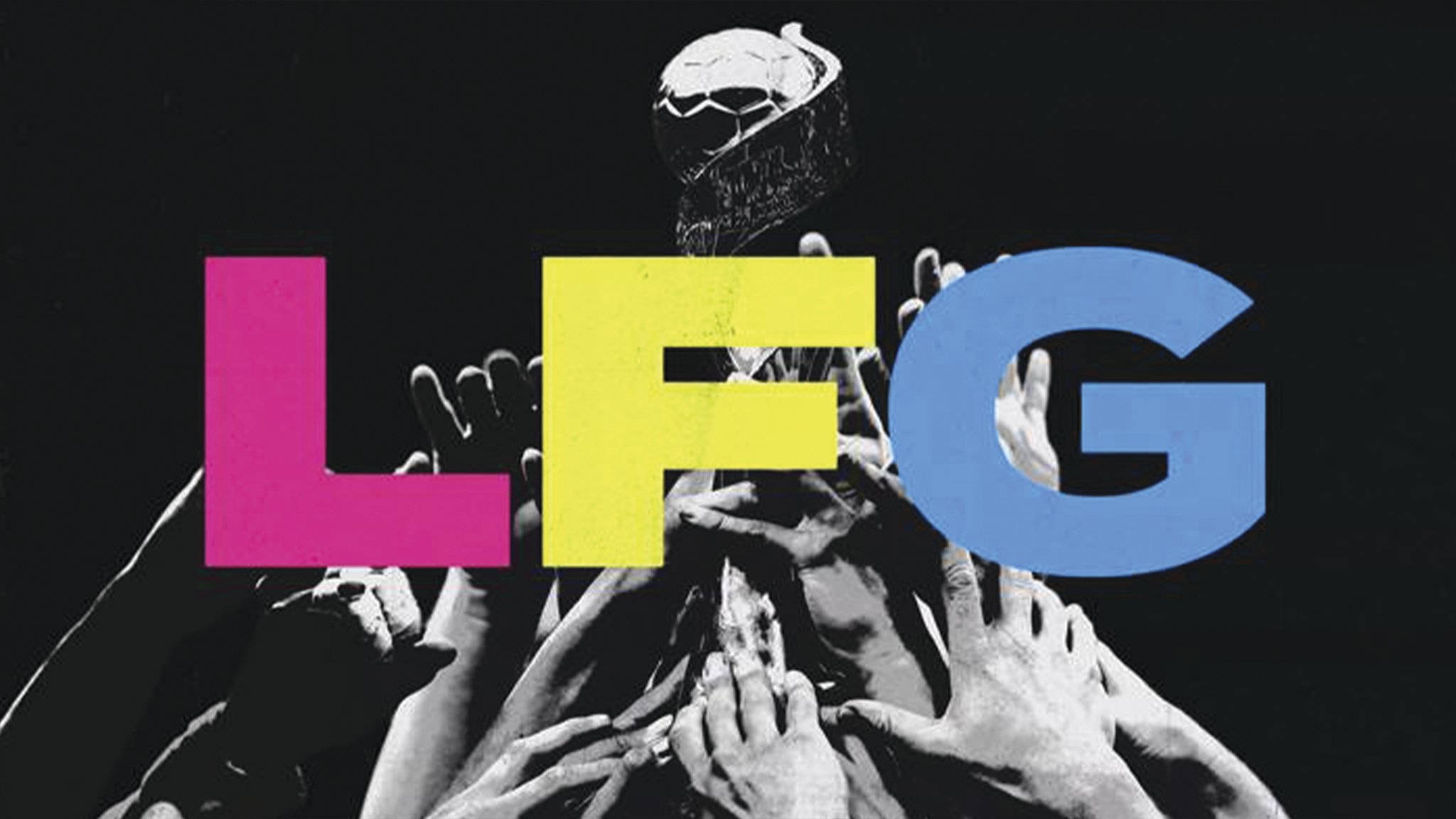
âLFGâ
The soccer documentary âLFGâ is about an ongoing legal battle for gender equality and equal pay. On March 8, 2019, the U.S. womenâs national soccer team filed a team lawsuit against the U.S. Soccer Federation for equal pay due to gender discrimination.
âLFGâ infuses sport and legal aspects to tell the story as it tracks the history of the lawsuit. The film is directed by Sean Fine and Andrea Nix Fine and their style is great. They show the sports scenes, and the explanatory scenes, with a lot of flair. The information portrayed is effective, as well. Itâs explained in the film how much women are paid for each win or each World Cup win. It’s made clear that itâs drastically different than the men.
The women’s team dominates, while the men’s team does not. It’s shown that the women have a 92-19 record (from 2015-2019), while the men had a 46-41 record. The womenâs national soccer team outpace the men by $8 million in earnings ($34 million for the women; $28 million for the men), but if they were paid the same bonuses, theyâd be outpacing them by a lot more. The teamâs lawyer, Jeffrey Kessler, explains it best: âThey do the same⦠except they do it better, but they get paid less.â
The soccer players

The six core voices helping tell this story and this battle are fantastic. They give so many great quotes; especially Megan Rapinoe, who started this lawsuit. Their voices also inspire throughout the film, and the sports scenes in the film are so great. The style brought to these scenes by the two directors adds some extra excitement. There are some moments in those sports scenes that gave me chills, too.
An important part of the documentary is also getting to know these players and who they are off the field. This is especially the case with one of the teamâs forwards Jessica McDonald, who struggles to make ends meet, and these scenes are eye-opening. Thereâs a lot of vulnerability to these characters throughout the film and that helps become the heart for âLFG.â
âLFGâ premiered as part of the Tribeca Film Festival on June 17, and is now available to stream on HBO Max.
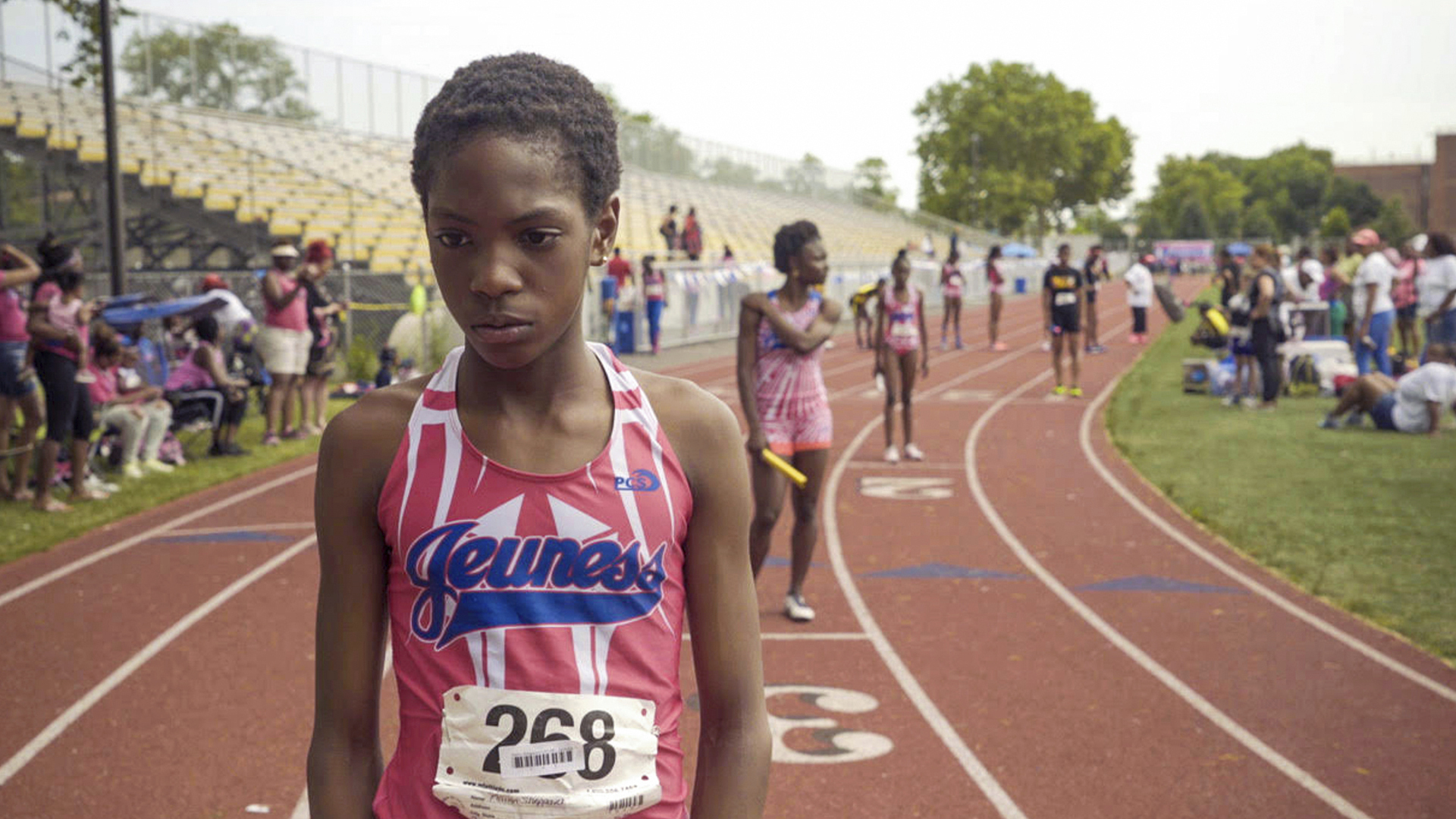
âSisters on Trackâ
âSisters on Track,â an upcoming Netflix documentary that premiered as part of the Tribeca Film Festival, is a film about the progress of Junior Olympians Tai (14 at the end of the film), Rainn (13) and Brooke Sheppard (11), three track stars who first gained fame through an interview on âThe Viewâ and being the Sports Illustrated Kids of the Year in 2016. Now, they have their own documentary as directors Tone Grøttjord-Glenne and Corinne van der Borch bring them to the spotlight. Interestingly, too, this is a film thatâs much about track as it is a coming-of-age story.
I came for the track scenes and those are done well. I loved the stakes in these scenes and the music. As well, their coach, Coach Jean Bell, cheering them on is always exciting. The directors of the film find a nice balance of slow motion, as well. Itâs also fascinating learning about this trio. We get a glimpse into their anxieties and all theyâve been through, and where they can go.
Coach Jean and her influence
We get more development for Tai and Rainn as the film goes on. This is because they are both eighth graders trying to figure out what theyâre doing for high school. This is in terms of scholarships because of track. During these sequences, these moments are at their best when their coach, Jean Bell, who runs the Jeuness Track Club, offers advice that can help decide their paths. Jeanâs fight for these girls is one of the most inspiring things about the documentary. A scene about discipline teaching Tai how to control her anger is one of the nicest scenes in the film.
Sisters on Track premiered as part of the Tribeca Film Festival, and is now available to stream on Netflix.
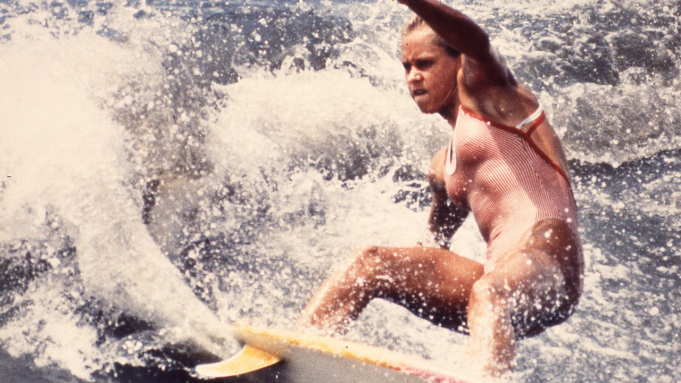
âGirls Can’t Surfâ
One of the other exciting documentaries out of this yearâs Tribeca Film Festival is âGirls Canât Surf,â originally slated to premiere as part of the 2020 festival. The film is about the womenâs surfing pro tour in the 1980s (and beyond, but specifically the 1980s). Christopher Neliusâ documentary introduces some larger-than-life women who challenge equality within the sport. They wanted better pay; but more importantly, to be in the same conversation as the male stars of the sport.
The style of the documentary is great and the topics tackled are fascinating. One topic tackles the 1989 OP Pro tournament that wanted to take away the women’s competition. This way, there would be more money for the menâs competition and body boarding. To add insult to injury, they’d also still run the bikini contest. The men’s contest would have been $1.7 million in prizes that year. The women’s side?
Only $150,000.
Yet, the men were the ones bothered by the fact that they had to share. The film effectively gives these facts, and it makes us want to do something about it. This is a great moment, too, as a pair of surfing twins in the film â Jolene Smith and Jorja Harmon Smith â lead a letter writing campaign to have the womenâs competition reinstated. This was the biggest tournament in surfing at the time. If the twins didn’t send all those letters, there might not be a womenâs tour today.
Important scenes and great characters
These are important topics in the film when it comes to its feminist scenes. Aside from that, these women are hilarious and so much fun to watch. Itâs fun to hear their stories, especially with Wendy Botha and Jodie Cooper. Thereâs so many great moments from all these voices in the film that it can get a bit difficult to absorb all the information, but itâsâ what keeps âGirls Canât Surfâ consistently entertaining.
As well, through the carefully chosen archive footage throughout the film, the way they surf is amazing. The men get all the premium waves. One could only imagine how great they’d be if the women could surf waves outside of low-tide. The surfing scenes look so cool regardless.
The women inspire, too. It seems like they set a great example for young girls, as they help pave the way for the up-and-comers. I was also delighted to see that the documentary did shine a light on the future of the sport and the conditions today. That’s a nice thing to stick around to see.
âGirls Canât Surfâ had its World Premiere as part of the Tribeca Film Festival on June 17.


