





March is Womenâs History Month, which aims to pay tribute to womenâs significant contributions to history, society, and the world as a whole. And we here in The Movie Buff would like to salute all the women whose visions, performances, and nuances made lasting impacts both on film and television.
This explains why weâre here today: of all the movie lists Iâve had to make, this ranks among the hardest to compile, and for good reason. Itâs no secret that over the course of history, women havenât been given the same opportunities in filmmaking, with minorities and people of color faring even worse. It wasnât until these past few years that Hollywood (and the moviemaking industry as a whole) started embracing a paradigm shift that aligns with the realization of how powerful and compelling storytellers these women actually are, once given the platform.
Today, in celebration of Womenâs History Month, weâre going to count down the top 10 female-directed films produced since 2000. As noted above, whittling the list down to 10 entries wasnât an easy task at all, so instead of giving a shoutout to five honorable mentions, I would like to give dues to 10 films that missed the final cut:
- âCapernaum” (dir. Nadine Labaki, 2018)
- âHigh Lifeâ (dir. Claire Denis, 2018)âread our review here.
- âOn Body and Soulâ (dir. Ildikó Enyedi, 2017)
- âPersepolisâ (dir. Marjane Satrapi, 2007)
- âLeave No Traceâ (dir. Debra Granik, 2018)
- The Babadook (dir. Jennifer Kent, 2014)âread our review here.
- âPromising Young Woman” (dir. Emerald Fennell, 2020)âread our review here.
- âToni Erdmannâ (dir. Maren Ade, 2016)
- “You Were Never Really Here” (dir. Lynne Ramsey, 2017)âread our review here.
- “The Farewell” (dir. Lulu Wang, 2019)
Without further ado, here are the 10 films that did.
10. âWadjdaâ (dir. Haifaa Al-Mansour, 2012)
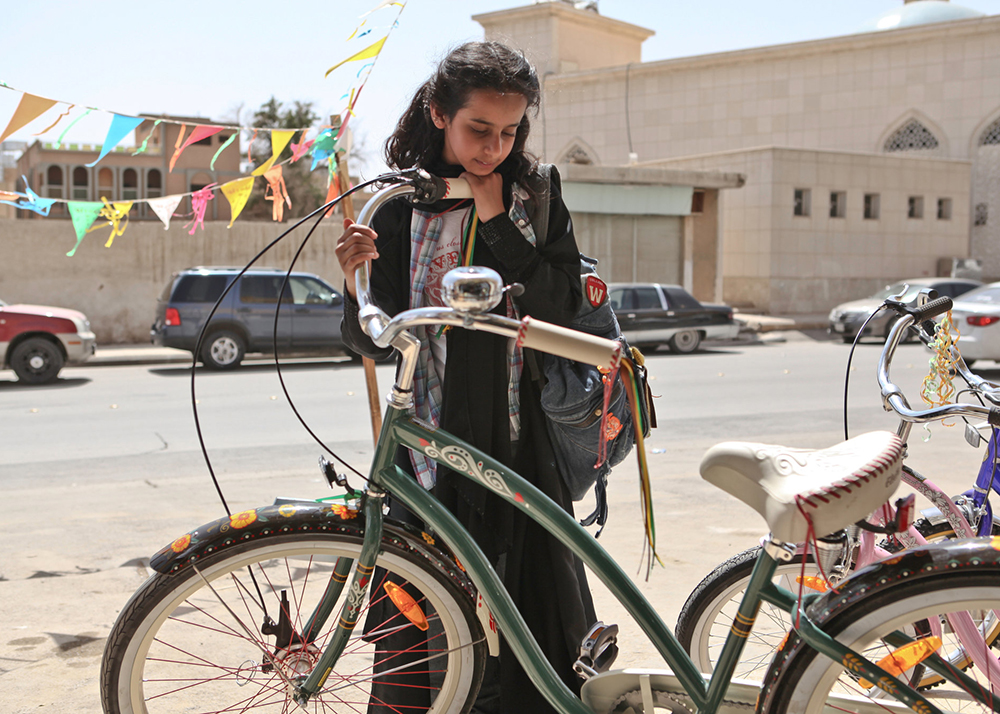
When you find yourself emotionally invested in a movie about a young girl whose only wish in her youth is to buy a bicycle so she can race with her childhood friend and beat him, then that film has something really important to say.
As the first-ever female Saudi Arabian filmmaker, Haifaa Al-Mansour pulled no punches with âWadjda,â a simple story on the outside, but a social commentary inside about a culture that doesnât accord women the voice they deserve. Front and center of the film we have the titular character, played flawlessly by first-time actor Waad Mohammed.Â
As a 10-year-old girl, all she wants in her young life is the green bicycle that she sees every day when passing at a store on the way to school. Two problems appear immediately, however: the bicycle costs more than her family could afford, and, her their culture, women arenât supposed to ride the bike if they wish to be viewed favorably. Unperturbed even as her mother refuses to gift it to her, Wadjda decides to earn money her own way, doing mixtapes and accepting favors from other students to eventually purchase that bike.Â
As this happens, we see the harsh reality women face regularly in Saudi Arabia through Wadjdaâs own family. How women are seen when theyâre unable to bear children, judged for their sexuality with baseless accusations, or even deemed properties in generalâthese are all juxtaposed with an overall tone that feels optimistic instead of hopeless. And Al-Mansour gets the credit here, able to strike the right balance between opening our eyes to the reality women in Saudi Arabia face, and sending a strong call to action for social change.
9. âPortrait of a Lady on Fireâ (dir. Celine Sciamma, 2019)
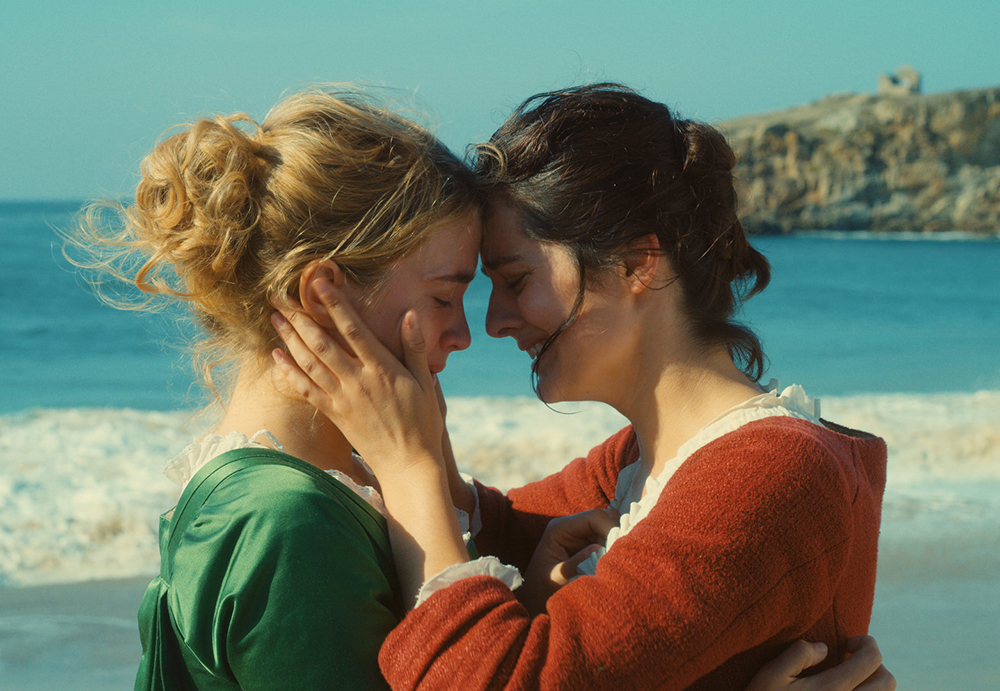
Framed using flashbacks, âPortrait of a Lady on Fireâ begins when a student asks an art teacher about a painting, named âPortrait de la jeune fille en feuâ (âPortrait of the Young Lady on Fireâ). We find out that the teacher, Marianne (Noémie Merlant) was once commissioned to paint a portrait of a young woman named Héloïse (Adèle Haenel) before the latter is given to marriage.Â
Given Héloïse’s repeated refusals to pose for portraits in the past, her mother instructs Marianne to masquerade as a hired companion and memorize Héloïse’s features so she could paint her in secret. As the two spend their time together (including reading about Orpheus and Eurydice and why that story ended fatefully), eventually a romance develops. Both know it won’t end well, and yet we understand why theyâre making a run for it.Â
In this masterpiece from director Céline Sciamma, we get to experience a love affair that rids itself of sentimentality that is often misattributed to women filmmakers. Instead, we witness a relationship that examines the concept of desire and how it develops from a gesture as simple as a gaze. In fact, itâs in those moments of lull where we see their emotions develop deeper and love grow strongerâ¦so palpable in fact, that as audiences we might feel ashamed for having to watch such intimate moments of falling in love.Â
âPortrait of a Lady on Fireâ is as genuine as it is heartbreaking: a romantic film that never concerns itself with gender more than it does with giving in to romance. And as we watch Sciammaâs assured direction and Merlant and Haenel portray the characters and their acquiescence to desire, we get the feeling that the borrowed time they have is a lifetime in itself thatâs worth catching a fire over.
8. âA Girl Walks Home Alone at Nightâ (dir. Ana Lily Amirpour, 2014)
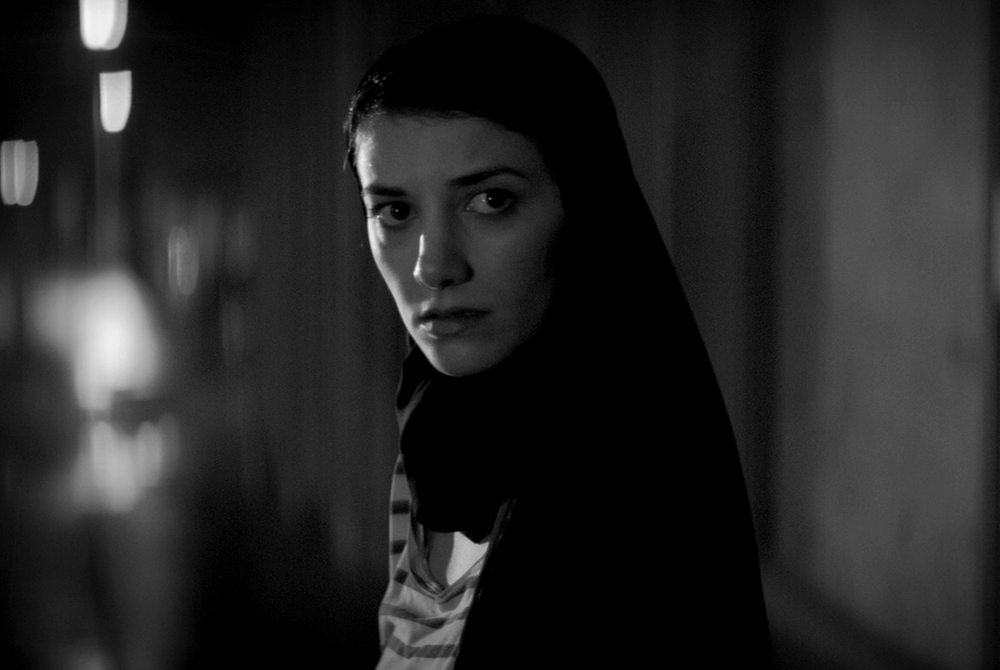
Of all the films in this list, it is âA Girl Walks Home Alone at Nightâ which I remember surprised me the most the first time I watched it. It was promoted as âthe first Iranian vampire Western;â which, if I were to be honest, does this brilliant film a little disservice when taken at face value.Â
Because frankly, Iranian-American director Ana Lily Amirpourâs film is nothing like I have seen before: a Persian film that uses the mythology of the vampire to provide a stirring commentary about how it is like living as a woman in a society that inhibits their growth instead of supporting it. As a matter of fact, the title itself may initially send an ominous tone to viewers about the dangers of âwalking home alone at nightâ, especially for a girl.Â
But no; what we have in return is a subversion of the default setting the audiencesâ minds have resorted to, a film that presents âThe Girl’ (Sheila Vand) as the perpetrator and not the victim, the predator and not prey, the danger personified and not the cause for anyoneâs worry.Â
Amirpour has stated in interviews how she views a vampire as a serial killer, a romantic, a historian, and a drug addict all rolled into one. With âA Girl Walks Home Alone at Night,â the filmmaker doesnât care about our concerns for âThe Girlâsâ safety. Instead, Amirpour fits that multidimensional character in the psyche of an unassuming young woman in chador, and what we have in the end is a wickedly fun horror Western film thatâs feminist at heartâand rightfully unapologetic at that.Â
7. ‘The Hurt Lockerâ (dir. Kathryn Bigelow, 2009)
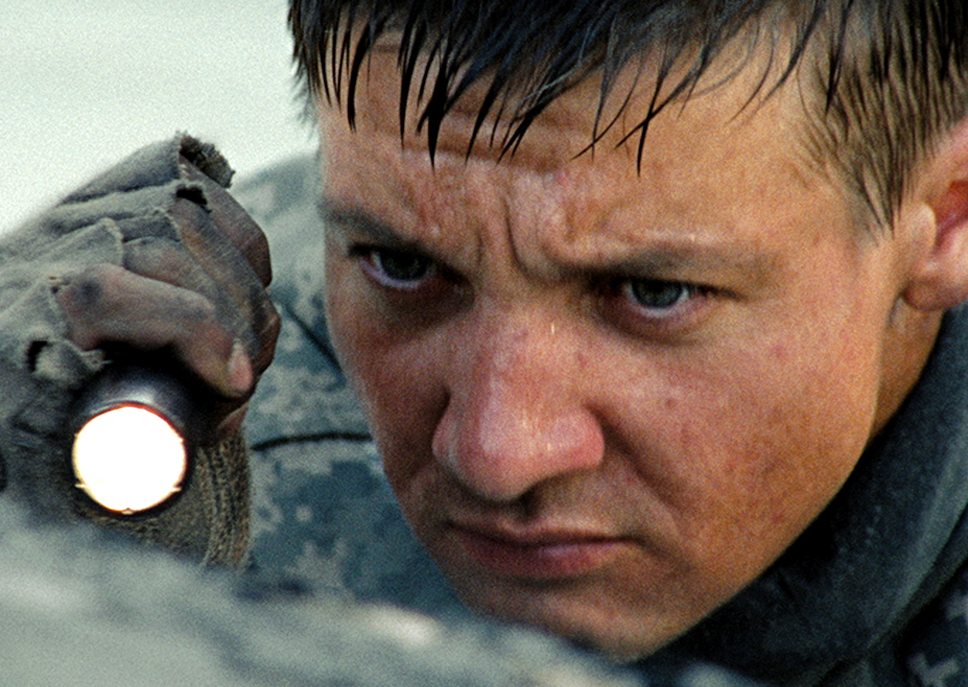
A war film that follows an Iraq War Explosive Ordnance Disposal (EOD) team, âThe Hurt Lockerâ examines head-on the psychological effects of the war to those involved. We see the effects on Sergeant First Class William James (Jeremy Renner), Sergeant J. T. Sanborn (Anthony Mackie), and Specialist Owen Eldridge (Brian Geraghty) as they are targeted by insurgents as they fulfill their tour of duty.Â
Whereas wars are undoubtedly destructive, how people react to them psychologically vary: some find it unbearable, while others get their fix and get high off of them. Filled with tense action sequences balanced with the mental and emotional tolls the everyday rotations cause the soldiers involved, the film is basically 130 minutes of kinetic character study about the horrors of war and how, because of it, some soldiers have altered their perception of what âgoing homeâ really means.
Based on the accounts of screenwriter Mark Boal, who worked as a freelance journalist and was embedded with an American bomb squad in Iraq in 2004, âThe Hurt Lockerâ remains one of the most gripping films Iâve ever watched in my lifetime. And with director Kathryn Bigelow (more on her later) at the helm, I wouldnât expect anything less.
6. âNomadlandâ (dir. Chloé Zhao, 2020)
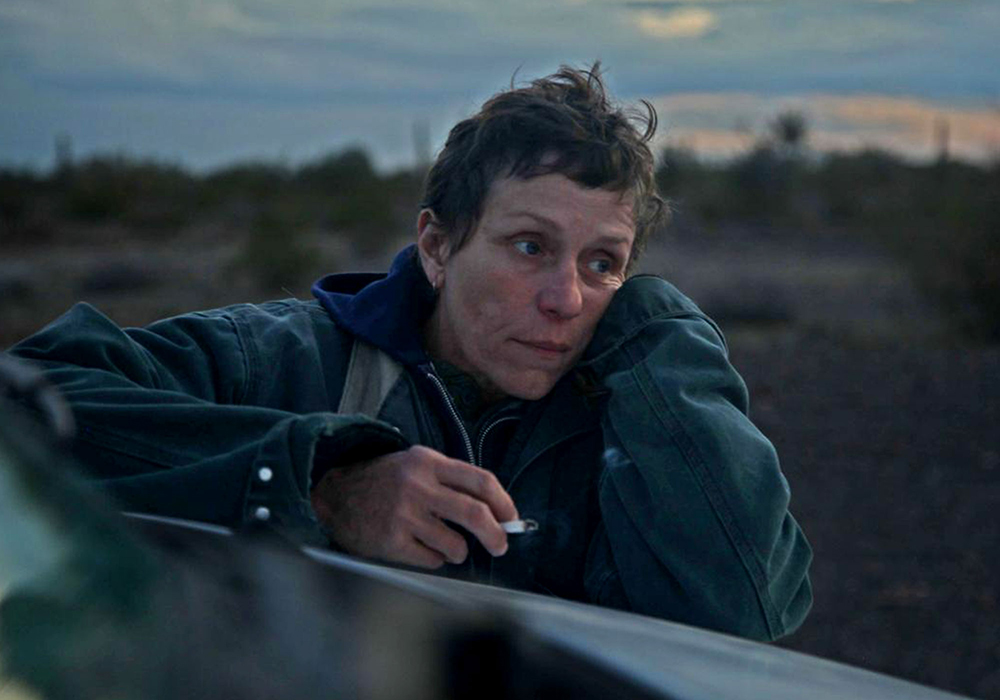
Jobless and homeless, but never hopeless. This tenacity and will to keep going down a long and winding dusty road are manifested as we watch Fern (Frances McDormand) sell most of her belongings following the shutdown of the company where sheâd worked for years with her late husband. Using those earnings to purchase a van to travel the country in search for work, we become invested in this character as director Chloé Zhao navigates the road where Fern would travel.
For all intents and purposes, âNomadlandâ can work as documentary about the realities of life especially in todayâs new normal. With people losing their jobs and homes, staying resilient means close to nothing when immediate results are more preferable. Zhao and McDormand work hand in hand to give us just thatâand more. In Fern, we care for the character whoâs beaten but never broken, spurned but never defeated. As she tries to get up (even pointing out that sheâs only houseless but never homeless) even as life keeps on dragging her down, we empathize right away. And we do, not only because she deserves it, but also because we know how it feels like.
And with that feeling comes the magic of the film. At the end of the day, even if the film features the lives of nomads, the story itself is a love letter to those marginalized by society, downtrodden by lifeâs circumstances, and forgotten by the world at large. Writer-director Chloé Zhao hits all the right notes down to a tee; and anchored by Frances McDormandâs outstanding performance, âNomadlandâ perfectly captures the indomitable human spirit of survival to experience a life worth living.
5. âMonsoon Weddingâ (dir. Mira Nair, 2001)
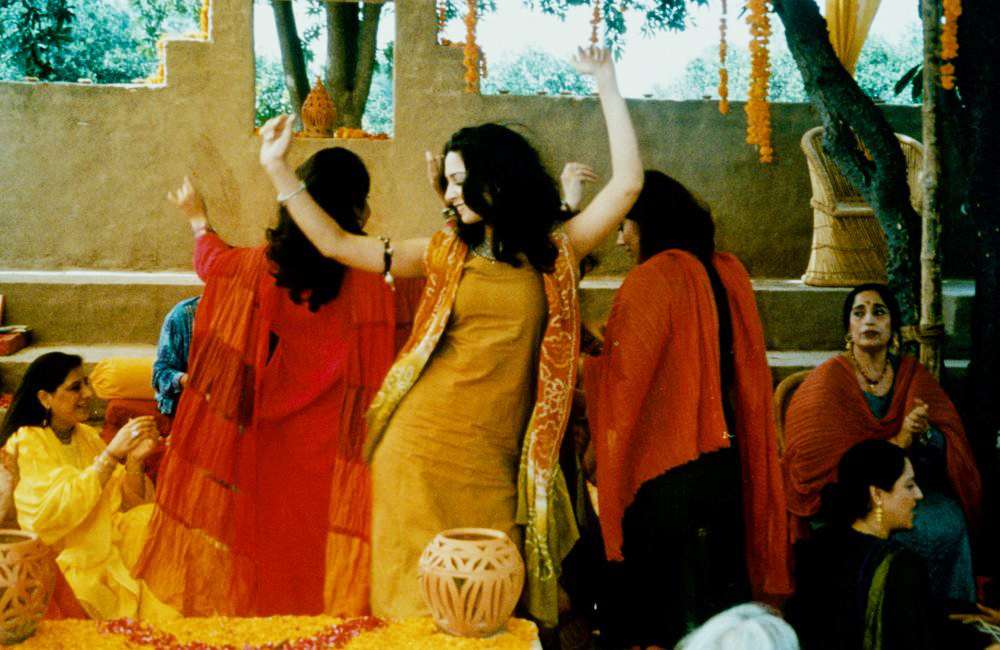
As one of the finest female directors in modern world cinema, Mira Nair rose from the doldrums in 2001 when she gave us âMonsoon Wedding.â This is a drama film that focuses on a typical Indian family getting ready for their daughterâs arranged marriage to the son of a family friend, and the baggage and chaos that come along with it. Just as with most Eastern cultures, weddings mean reunions of extended family members from all parts of the globe, and with these occasions, skeletons in the family closet come out and eventually upstage the main event.Â
Director Nair, working on a taut screenplay from Sabrina Dhawan, juggles the storylines effectively here. We see the initial apprehension in the bride-to-be, Aditi, as she tries to make sense of being married to someone whom she met just a few weeks ago. We also sympathize with Aditiâs parents, Lalit and Pimmi, as they try to make sure Aditi has the time of her life in her weddingâeven if it meant borrowing money from friends and relatives to fund the expensive occasion. We sneer at Tej and his money, despite his generous offers to help some of the family members get better financial legroom. And of course, we empathize with Ria, whose childhood trauma ultimately surfaces that puts the patriarch at a conundrum that involves family and honor.
A film that sheds light on the essence of what âfamilyâ means set in a familyâs preparation for a traditional Punjabi Hindu wedding in Delhi, âMonsoon Weddingâ benefits from Mira Nairâs sensitive direction and the large cast that knows how to play their roles to perfection. As a result, this is the filmmakerâs best film since âSalaam Bombay!ââand one of the best female-directed movies of the last 20 years.Â
4. âSelmaâ (dir. Ava DuVernay, 2014)
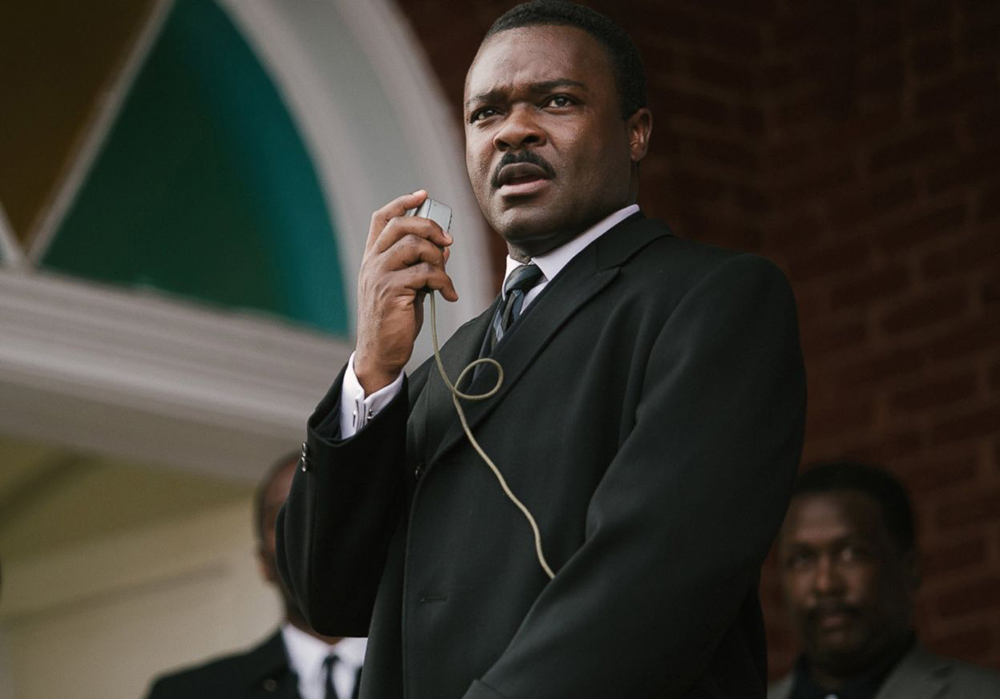
Looking back, itâs almost perplexing to remember that director Ava DuVernay had to rewrite Dr. Martin Luther Kingâs speeches for the film since Kingâs estate and âSelma’sâ producers did not lead to an agreement. What the filmmaker did to skirt this copyright issue was to creatively evoke Kingâs spirit in his speeches by retaining the basic structure of his speaking patterns.
More importantly, though, we see a film thatâs as relevant now as it was in 1965, when King (David Oyelowo), Hosea Williams (Wendell Pierce), and John Lewis (Stephan James) led the Selma to Montgomery voting rights marches to fight for Black citizensâ right to register to vote. At the time when racial tensions were reaching fever pitch, the U.S. Government and the FBI couldnât care less about King and Co.âs plights and more on how much of a threat these luminaries possibly posed.
It would be nice to say that things got better after the events of the film (and even after Kingâs assassination); but the truth of the matter is that, in light of the politics that have polarized America the past few years, Kingâs dream remains that: a dream. Fortunately, he also believed that we could all âmarch onâ and move forward; and DuVernay clearly captures that spirit in âSelma.â
Arresting for its chronicling of a historical moment thatâs still timely even after 56 years, âSelmaâ is a gripping historical film that never resorts to hagiography and instead shows how far we as a society still have to go.
3. âLady Bird’ (dir. Greta Gerwig, 2017)
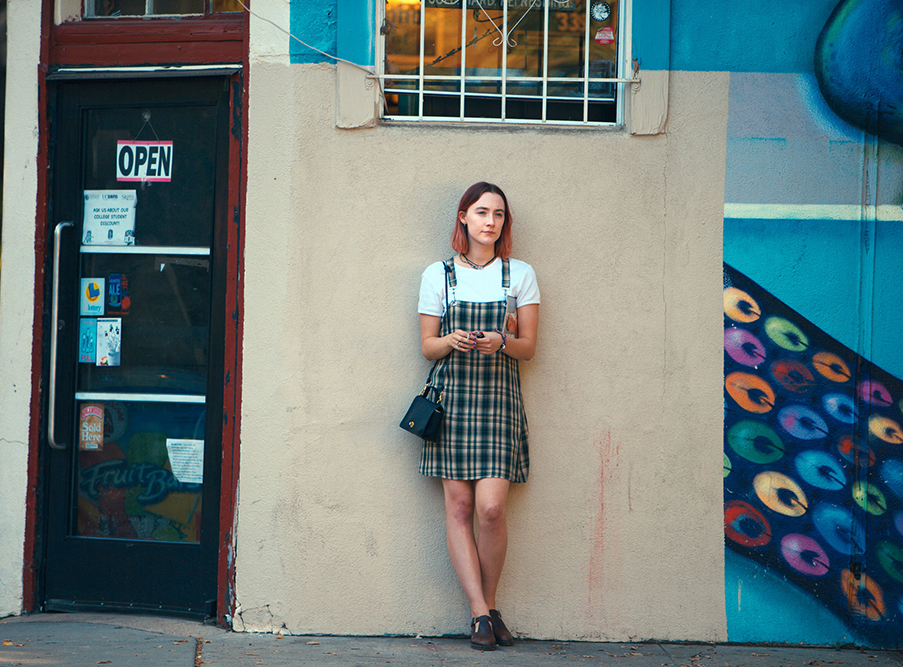
In the last 20 years, there have been only a handful of films that moved me the way Greta Gerwigâs âLady Birdâ did. Hereâs an independent coming-of-age film that focuses on a senior high school student who wishes to forge her own path into the real world, and her contentious relationship with her mother whoâs always believed she knows best. Itâs an all-too-familiar maddening refrain many of us knowâand yet Gerwig and star Saoirse Ronan make it both relatable and watchable.
But as we share with the protagonistâs frustration with her life, Gerwig makes it a universal film: somehow along the way, the film loses all structure and we all become Lady Birdâsomeone who seeks to establish her own identity from ground up, with a simple aim to be accepted, appreciated, and valued by a world with culture to speak of.Â
So as our protagonist (real name Christine McPherson) eventually achieves the freedom sheâs craved for so long, we all crash back to reality. Leaving a voice message for her mom (Laurie Metcalf at her best) to thank her for everything, Lady Bird realizes just as much: in her singular vision to break herself and fly free, she left behind someone who broke her own wings so her daughter could get hers.Â
At a time where female-directed films have upped the ante in quality, âLady Birdâ lays the groundwork. This is a film about a young woman who finally learns how to value something more important than her freedomâand about her mother who always knew.
2. âLost in Translationâ (dir. Sofia Coppola, 2003)
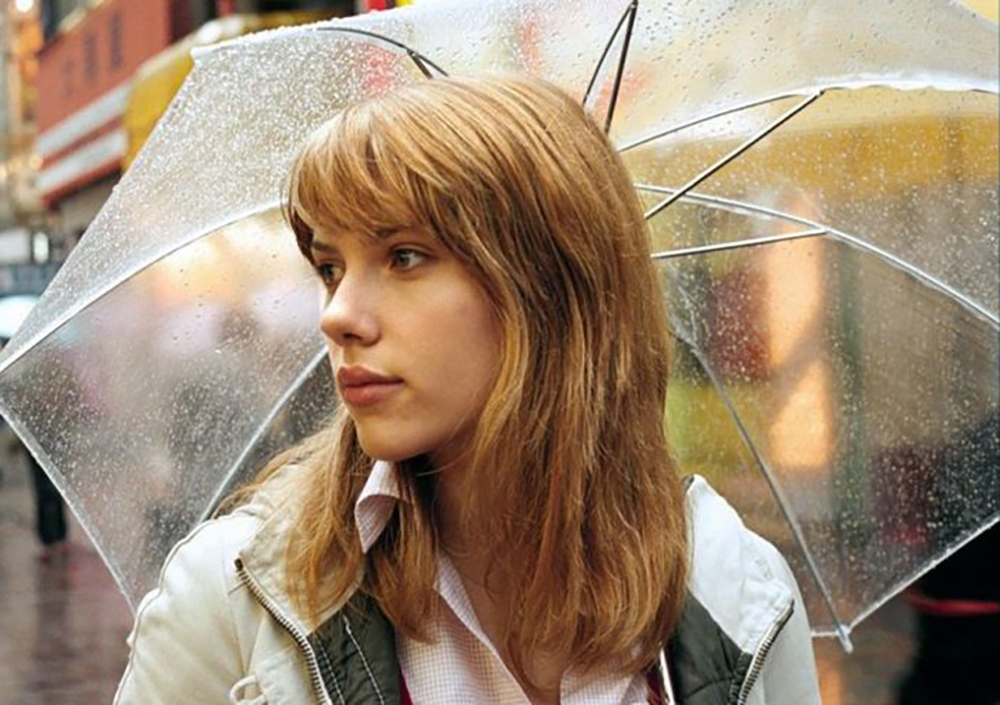
A washed-up American actor comes to Japan as a Suntory whisky endorser. At the hotel where he stays, he meets a young American woman accompanying her husband who works as a celebrity photographer. They chance upon each at the hotel bar, initially sharing pleasantries and later on forging a friendship rooted on melancholy, existentialism, alienation, and culture shock.
On surface, Sofia Coppolaâs sophomore outing looks like an offbeat comedy-drama film between a middle-aged actor traveling to a foreign country where heâs still viewed as a famous celebrity, and a twenty-something woman whose marriage she starts to question. Selling the film as a romantic comedy might be a stretch, even if we consider that the leads are Bill Murray and Scarlett Johansson.
And yet Coppola makes it work. Thanks in large part to her audacity to buck the generic standards of storytelling by patiently focusing on the development of the two charactersâ relationship, the director presents a story where a genuine relationship develops evenâand especiallyâin moments where no words are spoken and no acts of intimacy happen. âLost in Translationâ eschews all the popcorn plot devices that make the rom-com machine automatic cash grabs all but forgettable duds, and instead capitalizes on Murrayâs career-defining turn as Bob Harris whose midlife crisis somehow hits close to home to audiences of all ages.
So, while its title itself is a metaphor to both the charactersâ culture shock in Japan and their age difference, âLost in Translationâ is Coppolaâs middle finger to the conventions of narrative structure. And anchored by Murray and Johanssonâs performances, the film holds up as an intimate examination of our fears of estrangement; and how in the end, we only yearn to establish a genuine connection with anyone who shares the same skies.
1. âZero Dark Thirtyâ (dir. Kathryn Bigelow, 2012)
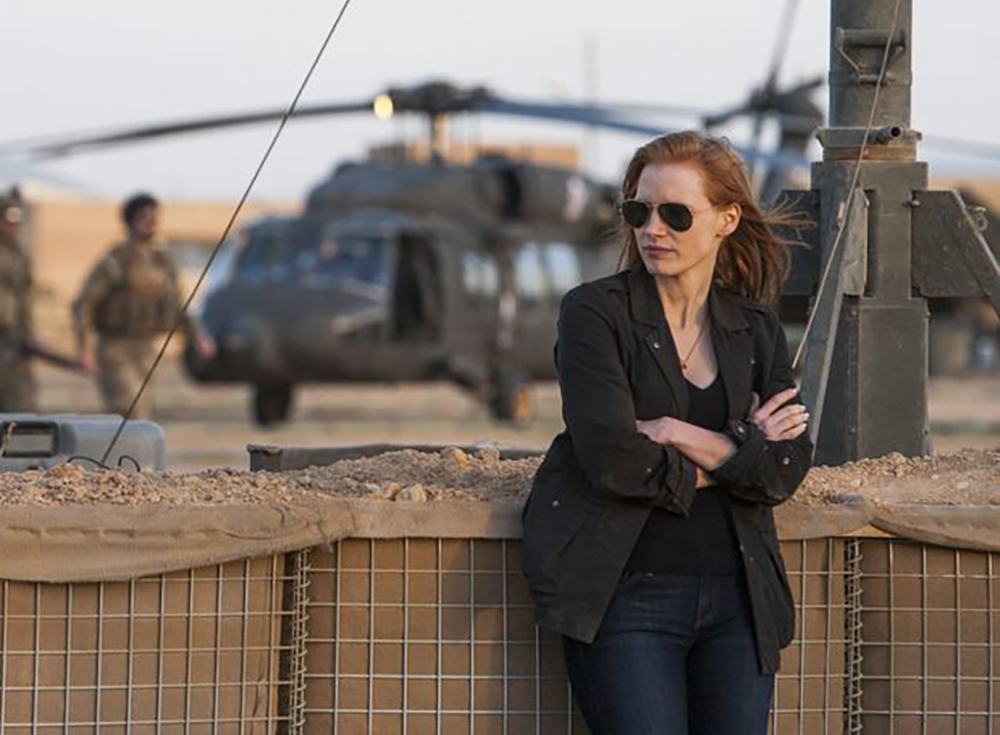
Yes, âThe Hurt Lockerâ allowed Kathryn Bigelow to take the Oscar home for âBest Directorâ and âBest Picture,’ but itâs âZero Dark Thirtyâ thatâs actually the better filmâand for what itâs worth, the best female-directed film of the last 20 years. It might have generated considerable controversy from the time of its release until now due to its reproduction of the enhanced interrogation techniques mandated by the CIA; but the film remains engaging, incisive, thrilling, and most importantly, timely.
As a dramatization of the lengthy manhunt for Al-Qaeda leader Osama bin Laden following the September 11 attacks, the film follows Jessica Chastainâs Maya as her integral role in the search ultimately leads to the discovery of Bin Ladenâs compound in Pakistan and the military raid where the terrorist was killed in 2011.
Truth be told, âZero Dark Thirtyâ could have otherwise been a straightforward war drama film and still be a good movie, but Bigelowâas is her wontânever settles for âgood.â Framing the manhunt in the eyes of a protagonist whoâs got a chip on her shoulder that dials the obsession up to eleven, âZero Dark Thirtyâ asks a simple question that usually never gets a simple answer: when you achieve your goal, are all the personal turmoil, sacrifices, and pain worth it?
Indeed, the last shot of Maya inside a military transport plane being the sole passenger back to the U.S. is as quiet as it is powerful: as the dust begins to settle and reality creeps in, Bin Laden is already dead. But at what cost?
So, do you agree with the picks? Leave a comment below and let us know what you think.


