âMy Little Sisterâ (âSchwesterlein,â original title) is screening at the Reel Love Film Fest this week, and leaves quite an impression in its wake. This is a film you have to first experience and feel, then think about for a while. Its premise is sadâa woman who gave up her dream of becoming a playwright returns to Berlin to care for her brother who has been diagnosed with cancerâbut its scope is not. The picture carries with it seven film festival nominations, many of them âBest Features,â and was the official entry from Switzerland for ‘Best International Feature Film’ for the 93rd Academy Awards. But what we find digesting this film is not a tearjerker; this is not a film youâre meant to watch and think oh, how sad, but one instead meant to inspire. Simply, itâs a story of sibling love, and one composed of insight, compassion, and grace.Â
For films like this, which can easily devolve into sappy or dare I say âart house,â âMy Little Sisterâsâ greatest achievement is the lens it casts. This isnât a film of plot, but one of substance. The filmâs cameras linger on strong emotions and characters. Its antagonists exist as real struggles, not as fodder for drama, and its protagonists as real people yearning to be understood. I suppose thatâs the keystone message of this film: understanding. Its leads understand each other, and share a bond that is all but unflappable.Â
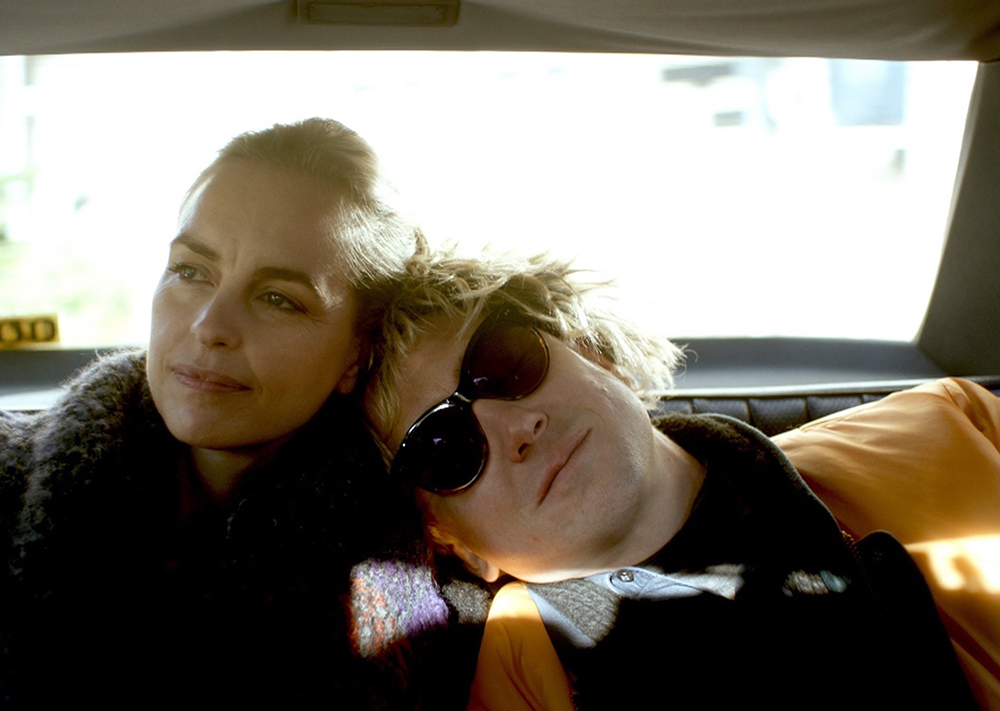
The film stars Nina Hoss and Lars Eidinger, and they excel. What excels most about their performance is how authentic it seems, and how the camerawork by Filip Zumbrunn likes to hang back and let the actors tell the story rather than forcing dramatic angles or closeups. It also helps that directors/writers Stéphanie Chaut and Véronique Reymond like their characters and have empathy for them. They arenât looking to manipulate audiences, but merely to let us understand. And for a film that is on the surface kind of sad, only once does a tear fall within the filmâs confines. But when it does, it sticks and stays as authentic emotion that touches you without question.Â
What also works is how âMy Little Sisterâ (a bit of a play on words; we learn that Hossâ Lisa is but minutes younger than Eidingerâs Sven) structures its story and connects it together. For a movie about two playwrights, the film feels very slice-of-life, and there is no element of forced staging, plotting, or situational drama. In fact, its greatest achievement is its commitment to the notion of sibling love, and its equal commitment to its characters. Chaut and Reymond never sidestep, and invite us in warmly but slowly.Â
Both leads more or less bounce off of ancillary agitators as they navigate along. For Sven, this includes his mother (Marthe Keller), who seems disinterested in accommodating Sven, and in fact doesnât seem to be able to handle his diagnosis, as well as Sven watching his career as stage actor come crashing down as he slowly comes to accept his grave physical state. For Lisa, seemingly more wrenches are thrown into the mix. She also has to deal with she and Svenâs mother, but the real challenge comes from her husband, Martin (Jens Albinus), who has very different ideas of marriage once her life becomes difficult to manage. Martin runs an international school, and this is where most of his interest lies. Things are about status to him; we learn he likes his posh life in Switzerland, and once balked at the idea of moving back to Berlin âand living in a run-down 2 bedroom apartmentâ so that Lisa could work full-time on her playwriting. His accommodation is vague at best when Sven stays with them for a spell, and feigns little more than absent concern even when he falls even more ill.Â
Simply, [‘My Little Sister’] is a story of sibling love, and one composed of insight, compassion, and grace.”
The struggle of Lisaâs marriage consumes much of âMy Little Sisterâsâ run, and a weaker film would have made the drama the point of the story. However, what we have here is a movie that uses the material to show, instead, just how much Lisa loves Sven, and how much personal pain she will endure to help him in his time of need. Their scenes are flushed with meaning and compassion, from a trip to an eclectic store discussing theatre to musing over stage notes Lisa has at home. Sven pays her writing high compliments, and somewhere, deep inside, perhaps spurred by her need to show her love for him, Lisa starts to discover the love to write again.Â
The other elements of the film are all here, from its dialogue, to its cinematography, to its score, and Hoss, Eidinger, and Albinus all do a good job with the material. Chaut and Reymond come alongside them, holding back, letting them tell the story in its entirety. Alongside its focus, âMy Little Sisterâ is also wholly about growth, acceptance, and rediscovering yourself. Sven finds his love of theatre in helping his sister, and Lisa, in one touching, quieting scene, plays with a child in a sandbox outside Svenâs flat. Chaut and Reymond want to connect its leads to their once-forgotten selves, and they gently urge us to do the same.Â
All-in-all âMy Little Sisterâ is a fine film, a film about acceptance and letting go that is wrapped up in a healing process all its own. This isnât a film that hinges its drama on a dying man; it is one that hinges its soul on the love one sibling has for the other. Itâs a lovely film, despite its sometimes slow pace, and one that should be experienced by all should the chance present itself. Â
*This review was written from the filmâs day 2 screening at the 2021 âReel Love Film Festâ programming.Â