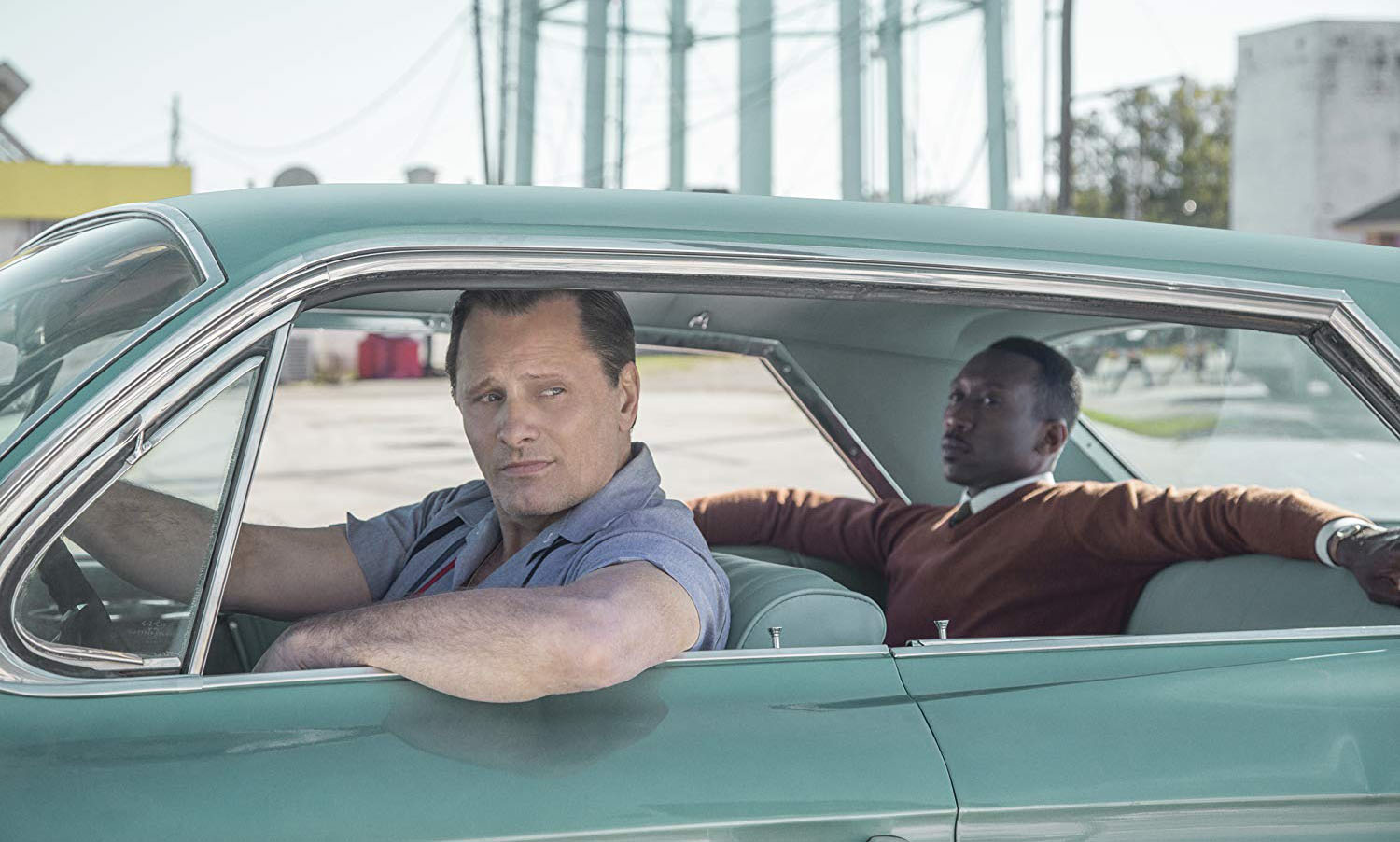
âGreen Bookâ is a lovely movie. As in, itâs the kind of movie that your grandmother could watch and leave saying, âwhat a lovely movie.” However, it should not have won the Academy Award for Best Picture.
There is nothing inherently wrong with âGreen Book.” The directing was solid, the cinematography looked great, and the acting was strong. Both Viggo Mortenson and Mahershala Ali are great actors and are fun to watch. Overall, watching âGreen Bookâ is an enjoyable experience. However, it feels like it could have been more. It remains a comfortable, crowd-pleasing film, reusing clichés and taking few risks. Even its anti-racism message, though extremely important and relevant in todayâs political climate, is played well within the safety zone, especially when compared to the bold statement of fellow Best Picture nominee âBlacKkKlansman.”
There is nothing inherently wrong with a film that pleases crowds and avoids ruffling feathers, but I hoped for more, especially from a Best Picture winner.
The last several years, the Academy has been strategic with their picks for Best Picture, appearing to make intentional statements about the type of film they chose. For example, the 2015 and 2018 Best Picture Winners, âBirdmanâ and âThe Shape of Waterâ respectively, were both very artistic, less accessible films. Meanwhile, in 2016 and 2017, the Academy seemed to choose films that carried a strong political message (âSpotlightâ and âMoonlightâ). This is especially true for âMoonlight,” the first LGBTQ film and the first film with an all-black cast to win Best Picture, which won over crowd-pleasing favourite âLa La Land.”
However, with âGreen Book,” the Academy did not make any political statements or emphasize exceptional artistry in filmmaking. It was the safe, comfortable choice, but it was not the best choice.
âGreen Bookâ is not a bad movie by any means. Yet, it falls short and uses too many clichés. From hearing the premise of the film (âTough, racist Italian man gets a job as a driver for famed African-American pianist on a tour through the southern USA in 1962â), you can predict exactly where the story will go, and the film follows this for the most part. There is potential for great depths in a character study like this one, but the film hints at various issues without diving deep enough into them. Mortensonâs character resolves his deeply-ingrained racism a little too quickly and the complicated nuances of Dr. Shirley never get fully explored. Rather, we glimpse the underlying tension without getting to entirely experience it. This leaves a feeling of dissatisfaction when the film suddenly and neatly wraps up at the end.
In truth, I thoroughly enjoyed âGeen Bookâ and believe that most people would also enjoy it. But sometimes enjoyment can only go so far.
-by Kieran Davey