





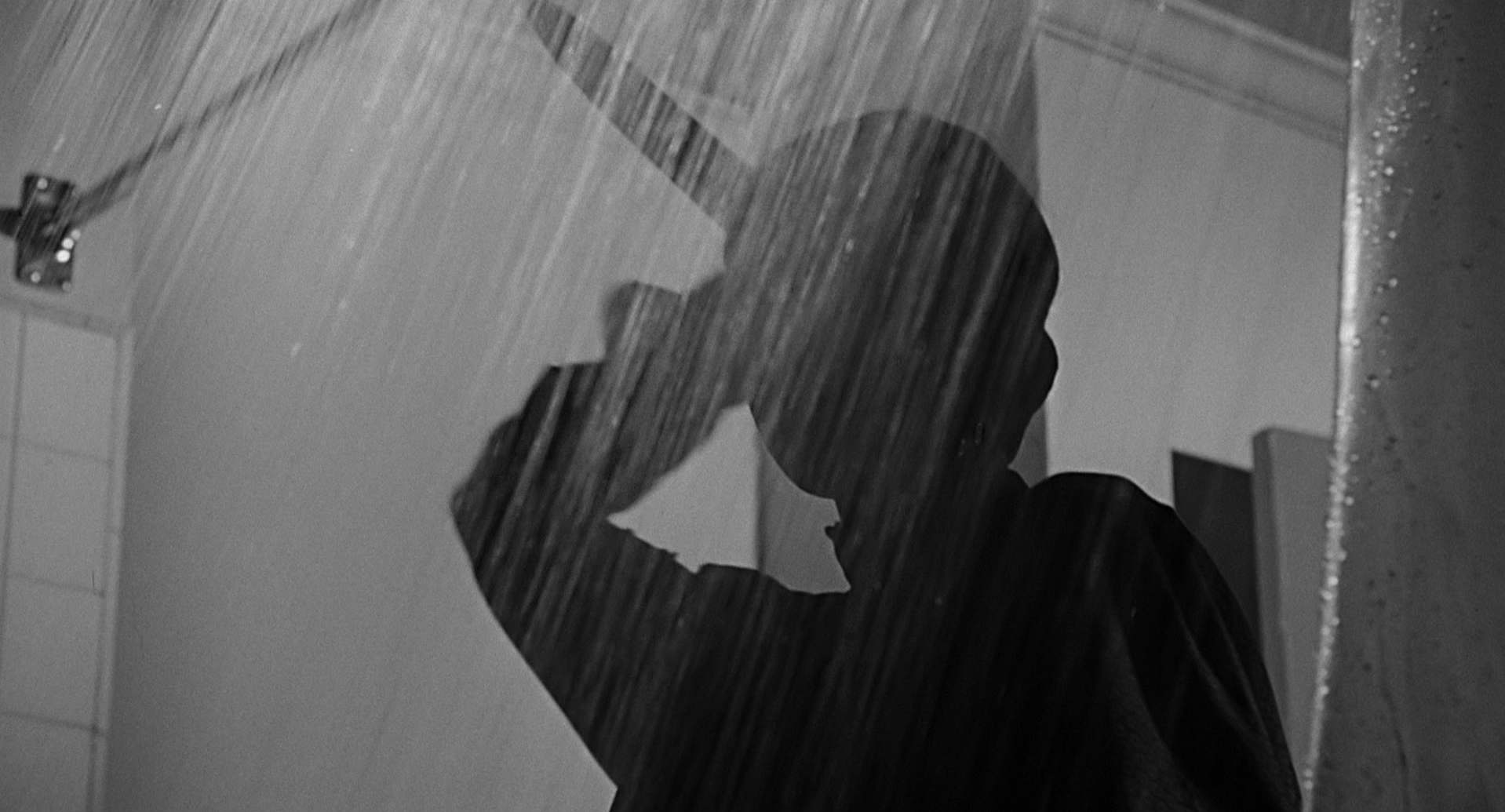
I havenât seen a horror movie in the last ten years that I was surprised by the ending. Modern horror is filled with gore and special effects, but not surprise. Imagine my shock when I rented “Psycho,â Hitchcockâs 1960 baby, and was caught by complete surprise by not just its ending, but its production value and impact despite its black and white presentation. To compare âPsychoâ to modern horror attempts such as âHostelâ or âThe Conjuringâ is impossible. This is simply an amazing film with a lasting impact that hasnât been seen in the horror genre for a very long time.
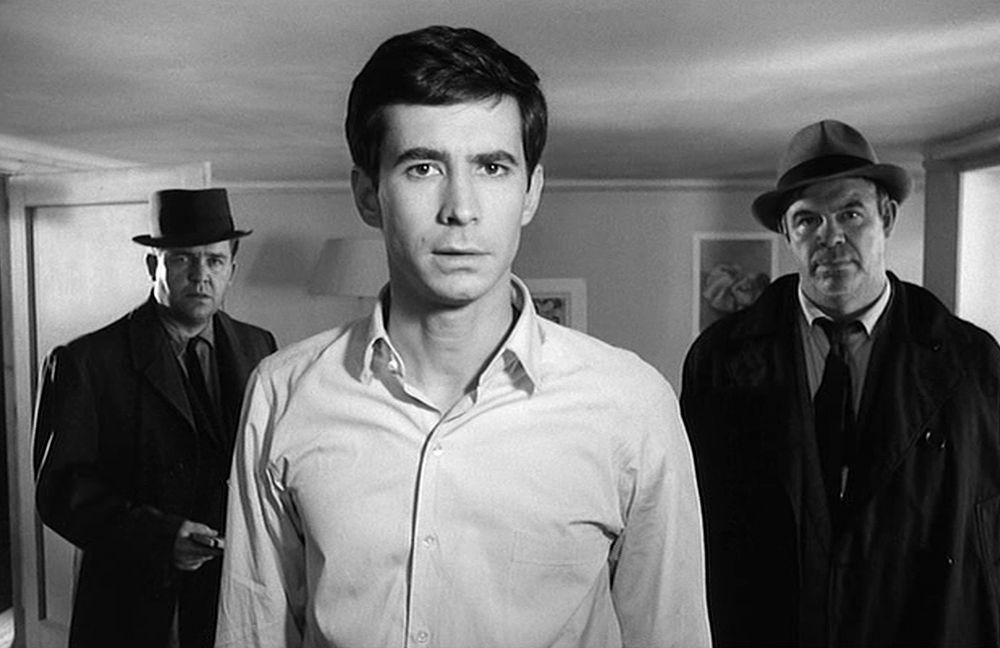
That âPsychoâ brings us into its bizarre world from the perspective of a villain in her own right, a real estate secretary turned crook Marion Crane (Janet Leigh), is a testament to its effect. On the run from her boss and the customer that gave her $40,000 to deposit in the bank, Crane switches cars for a mere $700 (certainly dating the movie in the process), and tries to leave her home town of Phoenix in the dust as fast as she can. But sheâs not a pro. Falling asleep at the wheel, a police officer wakes her up on the side of the road, leading her to seek refuge in âBates Motel,â a seemingly-desolate hovel of a place where she is welcomed with open arms by the innâs proprietor, Norman Bates, played with deft and skill by Anthony Perkins.

The greatest asset of this film is that it is not in a rush to get to where itâs going. Honestly, thatâs what I liked about “Hostel,â despite its gore. It takes a good 35 minutes for the first kill to occur. Compare that to films like “The Collection,â where 50 people are killed in the first ten minutes, and you have a stark difference. Crane arrives at the motel, meets a thoroughly odd Norman, but nothing much of consequence happens despite some dialogue. But the devil is the dialogue here. Every interaction between the two, whether it be talk of checking in to the hotel, or a casual conversation over dinner, âPsychoâ lets you know something unhealthy is seething underneath the surface.
âPsychoâ makes its point with its camera, and itâs dialogue. Watch as Bates and Crane talk over pointed conversation in his parlor that oozes subtext and foreshadowing. Bates stuffs birds for a hobby, and Hitchcock fixates on one bird, a raven, that is nothing less than an homage to Edgar Allen Poe and would clearly influence his 1963 âThe Birds.â Thereâs horror in them, for unknown reason. Observe also the iconic lines present in their speech. âA boy’s best friend is his mother,â espouses Bates, sandwiched between âWe all go a little mad sometimes.â Bates is mad, no doubt about it. But itâs the suspense of what could happen, not what does, that drives this movieâs perfection.
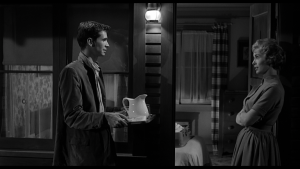

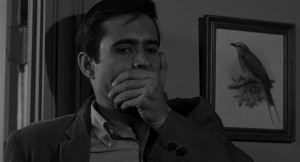
The best acting in the film clearly belongs to Perkins, who plays Bates with the perfect degree of calmness, anxiety, and suspicion. Talking to Crane he appears calm but unnerved, while he reaches peaks of sheer panic as his lies begin to fall apart later in the film. However, other actors are equally splendid, such as Balsam who plays the detective, or Frank Albertson who plays the rich customer Tom Cassidy. Each plays their part perfectly, with seemingly no error.
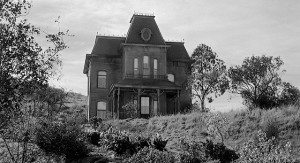
The cinematography of the film is spectacular, and works alongside its actors to tell the story. A creaking doorway that spills light into a silent hallway, or a low shot as Bates bends down to look at his hotel ledger at the detectiveâs behest. Not to mention the macabre lone shining window of the Bates house that looms above the motel. We see the motel in daylight only briefly, at the filmâs end. Hitchcockâs greatest achievement here is not to make it look horrific, but ordinary. The real horrors lay inside.

âPsychoâ is an inspirational film. From its ominous score of shrill violins to its infamous shower scene, the film revolutionized the way we look at horror. Itâs ending is perfect, unexpected, and far beyond its time. Itâs one of the best horror films Iâve seen in ten years, and itâs half a century old. In an era where horror films are looked at as throw-a-ways, itâs refreshing. Modern practitioners should take a step or two from the masters. âPsychoâ doesnât have many heroes, and its villains are ambivalent. But it makes for an encapsulating picture just the same.
– by Mark Ziobro



1 Comment
Great review! I especially appreciate you highlighting the role of music in building suspense, because Bernard Herrmann’s score is just iconic in *Psycho*. I agree that the pacing of the film really contributes to its unsettling atmosphere, making the shocking scenes even more impactful.âââ