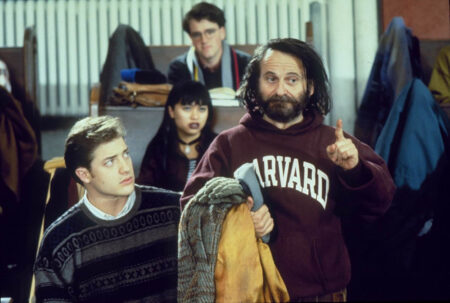
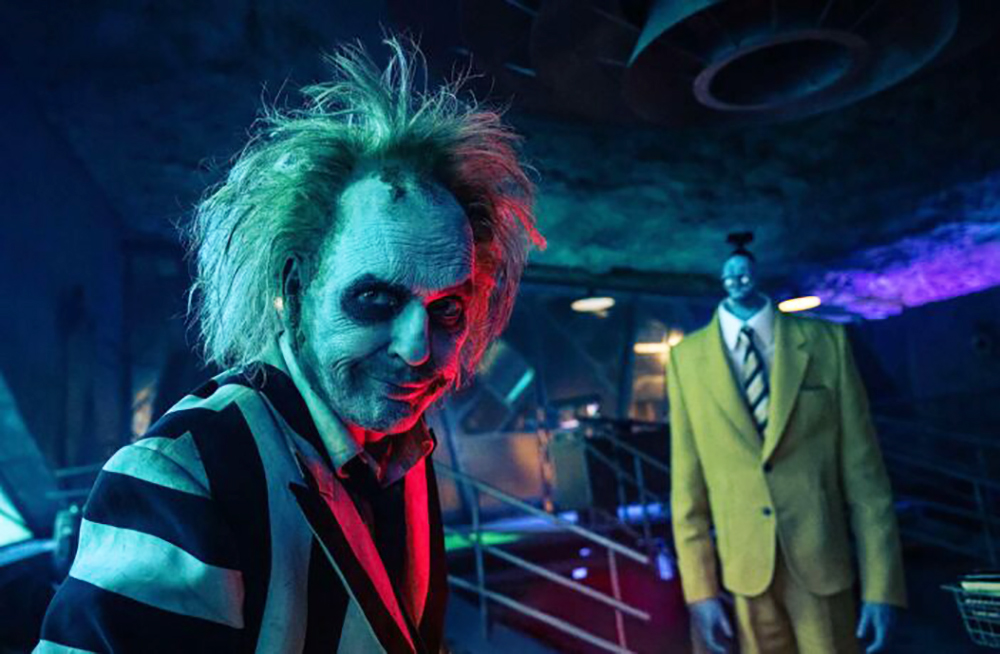
Itâs almost a shame that Michael Keaton is known most popularly for Tim Burtonâs 1989 comic-actioner âBatman.â The set pieces were top-of-the-line, and Jack Nicholsonâs portrayal of the iconic Joker set the stage for comic book villains that remained unchallenged until Heath Ledgerâs performance of the Joker in Christopher Nolanâs âThe Dark Knight.â However, the script failed to promote Keatonâs stellar acting ability, as seen in movies such as âOne Good Cop,â and âBeetlejuice.â In Ron Howardâs âThe Paperâ (1994), playing the harried and affable reporter Henry Hackett, Keaton solidified his ability to play diverse roles and play them well. The movie went on to make $48.4 million worldwide.
Itâs sometimes the unsung movies that showcase acting talent better than major blockbusters. When I rented âThe Last Time,â I had never heard of it, not in the box office, nor as a new release. What caught my eye was that it featured three powerhouse actors, Michael Keaton, Brendan Fraser, and Amber Valletta, and was billed as a suspense-thriller about cutthroat business, relationships, and betrayal. However, the movie is really more diverse, and makes a stronger statement than expected. With good acting, dialogue, plot, and pacing, âThe Last Timeâ is a remarkable find, especially considering its non-existent marketing campaign.
Michael Keaton plays Ted Riker, a cutthroat salesman for Bineview, a company based out of Westchester, NY (though what they produce is never really defined). He is both revered and loathed by most every employee. Revered because he is so good in fact, that he makes up over half of the sales volume of the company; loathed, because he is a complete jerk. In a beginning scene, in response to his boss (Daniel Stern, âHome Aloneâ) relating concerns of the company going out of business, Riker tells him to âLearn to sell shoes or suck *%#$ real fast.â They put with because they have to and treat him in the manner of someone to be avoided at all costs.
Ted is quickly aligned with new recruit at Bineview, Jamie Bashant (Brendan Fraser), who is failing at every aspect of the business.
Belisa, the one thing Jamie has in his life that is going well, is a subject of droll to Riker, whose jaded feelings towards woman are worn on his sleeve. âIâll never understand why people think their pathetic lives are going to get better just because they get married. Why they get divorced, that, I get.â However, it is not long before Ted finds himself in a position he never wanted to be in â he and Belisa start having an affair behind Jamieâs back and he is quickly falling for her.
The movie here departs from the âsuspense-thrillerâ ideal, and really paints some broad strokes in defining Rikerâs character. Truthfully, this is the only purpose of the movie. Fraser and Valletta add key scenes, and push the plot forward, but the movie is about transformation â Rikerâs, not Belisa or Jamieâs. We learn that his tough veneer is the result of a bad break-up with his wife, and that he used to be a college literature professor. Predictably, he confides these things in Belisa because it is the first time since his break-up that he has felt connected to another woman. Also predictably, although not giving away the ending, we understand from square one that Belisa and Ted are not meant for a happily-ever-after.
These later scenes of the movie really mirror Oscar Wildeâs classic novel âThe Picture of Dorian Gray,â as Riker himself narrates in one scene. âI think the book is about realizing the damage our sins are doing to our soul before itâs too late.â The statement works as a warning to us, but itâs really a narration on their behavior behind Jamieâs back. The farther in love the two seem to become, the worse Jamie does at work. The guilt is quickly becoming too much for him to bear. âHeâs out there dying and weâre in here screwing.â
The movie does come to a head, with a plot that involves a competing business tycoon Leguzza threatening the safety of Bineview, but this is really glossed over, and while necessary to the plot not wholly interesting. The movie tends to rush towards the conclusion, as if it almost forgot that it had to wrap up its points succinctly, and comes to this conclusion minutes before the credits. The result is slightly rushed and un-believable. Key characters seem to do a 180, and while a plot device, seems a little too over-the-top for the intentions the movie had set up before this point.
However, âThe Last Timeâ works as a film for several reasons. Itâs smart, delivering dialogue that helps to define its characters. Keatonâs Riker is quick, intelligent, sarcastic, and nasty. Brendan Fraser pulls off the struggling-salesman-in-a-new- town persona perfectly, and his acting in these parts garners even more respect with the movieâs twist ending. (Chances are you wonât see it coming, but even if you do, the ending offers more catharsis than is typical with movies of this nature). But plot aside, the movie works because of its characters. There are tinges of Ted in all of us, tinges of Jamie, and no matter which one you side with, you canât ignore that the film touches on real emotions, even if it throws them together in a most bizarre and harried way.
Rent âThe Last Timeâ â you wonât find remarkably new material in terms of suspense, but you will find great performances by all involved, and walk away with a good enough impression to ask yourself why you never heard of the movie before now.
– by Mark Ziobro