After “Cure,” “Pulse,” “Cloud,” and “Chime,” I thought I had a pretty good handle on what a Kiyoshi Kurosawa movie looked like.
If youâve never seen one of his films, Kurosawa is one of Japanâs great contemporary filmmakers, though heâs most often introduced in the West as a master of horror. Thatâs certainly true, but itâs also a little limiting. Few filmmakers captivate and unnerve me the way Kiyoshi Kurosawa does. His films donât simply frighten so much as quietly destabilize reality itself, where some invisible force gradually infects the world around it until everyday life no longer feels trustworthy.
So imagine my surprise when his newest film felt less like a horror-tinged samurai movie and more like “Columbo” in feudal Japan.
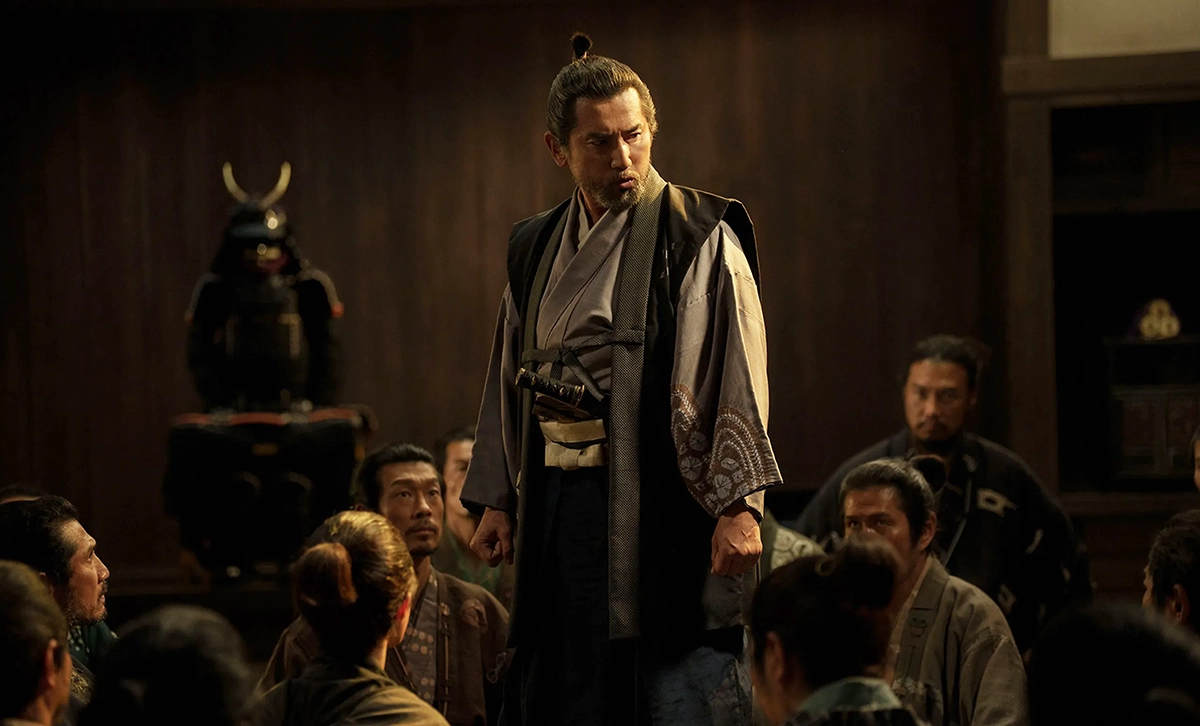
“The Samurai and the Prisoner” is a quiet, elegant period mystery set during Japanâs Warring States era. Araki Murashige (Masahiro Motoki), a samurai who has rebelled against Oda Nobunaga (Shingo Bandô), has barricaded himself inside Arioka Castle while Nobunagaâs army waits outside for the inevitable siege. When a series of baffling murders begins occurring inside the castle walls, Murashige turns to the one man capable of helping him solve them: Kuroda Kanbei, the brilliant military strategist Murashige himself has imprisoned beneath the castle.
Columbo Meets Sherlock Meets Feudal Japan
The setup is basically Sherlock Holmes and Watson in feudal Japan, except the roles are constantly shifting and one of them is locked in a dungeon. The actual pleasure of watching them work through the cases, though, is closer to “Columbo.”
Thereâs something immensely pleasurable about the conversations between Murashige and Kanbei. Murashige spends the movie walking the castle, making matcha, questioning witnesses, weighing motives, and trying to reason his way through increasingly strange deaths before returning underground to consult the one man who always seems several moves ahead of him. Like the best episodes of “Columbo,” the pleasure isnât simply arriving at the solution. Itâs watching an unusually perceptive mind patiently reorganize the world until everyone else finally sees what was there all along. Their dynamic has a little of Will Graham and Hannibal Lecter in “Manhunter,” minus most of the sadistic gamesmanship. Murashige has authority over everyone inside Arioka Castle, but his only true intellectual equal, and perhaps his superior, is his prisoner.
Kanbei is such a compelling detective because he never really feels like one. Heâs part poet, part philosopher, and part military strategist. His gift isnât forensic brilliance so much as an ability to recognize patterns. Reading battlefields, reading architecture, and reading people become remarkably similar skills.
Who’s Actually in Control?
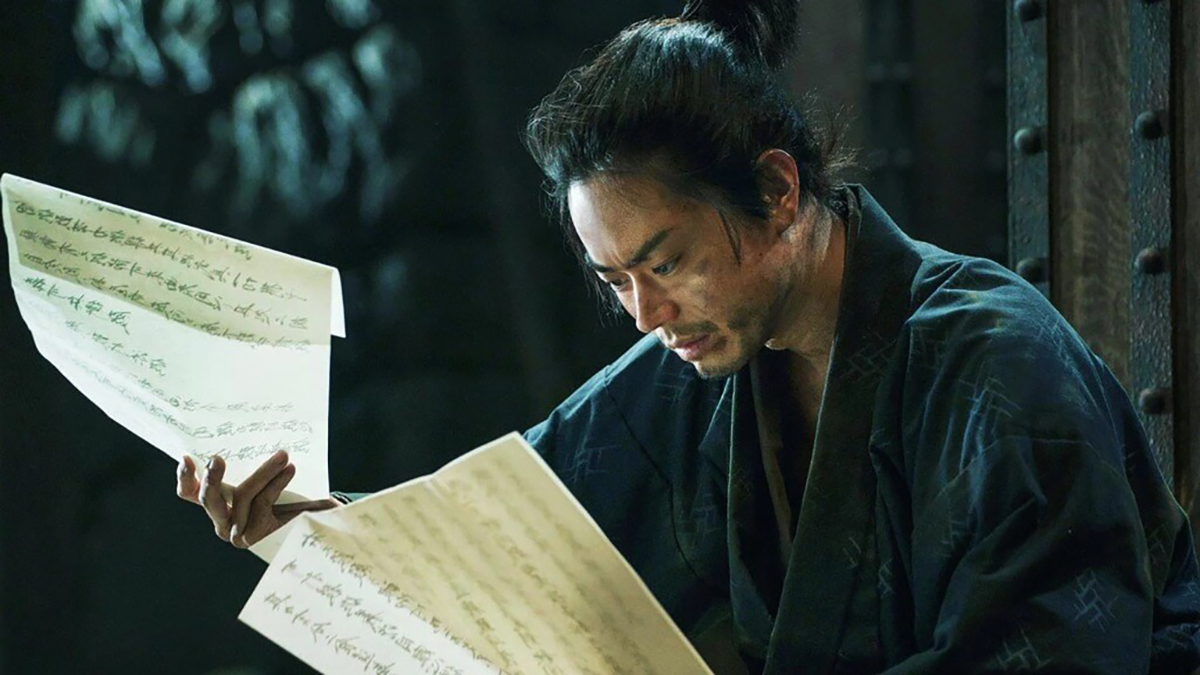
Murashige controls Kanbeiâs body.
Kanbei controls information.
And Kanbei quickly demonstrates just how much power that gives him. After suffering abuse at the hands of one of his guards, he manipulates the man into attacking Murashige, forcing Murashige to kill him in self-defense. Murashige initially sees the whole thing as a cruel intellectual exercise, proof that Kanbei can orchestrate violence without ever leaving his cell. Then Kanbei reveals the bruises the guard left on his body. Heâs a victim who has found a way to fight back, but thereâs also an unmistakable satisfaction in the elegance of what heâs accomplished. Even shackled underground, Kanbei has figured out how to reach beyond the dungeon and move other people around like pieces on a board.
The longer the mystery unfolds, the harder it becomes to tell whoâs actually in control. Murashige commands the castle and the people in it; Kanbei commands Murashigeâs attention and, increasingly, his understanding of the world around him.
Is Kurosawa in Unfamiliar Territory?
At first glance, almost none of this sounds like the filmmaker behind “Cure” or “Pulse.” Thatâs what makes “The Samurai and the Prisoner” such a pleasant surprise. It initially feels like Kurosawa wandering into unfamiliar territory before, like all great directors, revealing that heâs really been interested in the same ideas all along.
Before the first murder even occurs, Arioka Castle is already a destabilized ecosystem. Murashige has rebelled against Nobunaga. An army surrounds the walls. Everyone inside knows something terrible is coming, even if they donât know exactly when. Their political order is fraying, their alliances are increasingly fragile, and their future narrows with each passing day.
Then someone is murdered inside the castle.
Outside the walls is Nobunaga.
Inside the walls is a killer.
The danger isnât simply coming for them anymore. It may already be among them.
Suspicion spreads through Arioka Castle like an infection. People who previously seemed familiar become unknowable. Military anxiety curdles into paranoia. The deaths appear so strange that reason and superstition begin competing as ways of understanding the world. Has someone committed murder? Has Murashige brought divine punishment upon himself? Has the natural order itself begun to collapse?
Ordinary Spaces No Longer Seem Safe
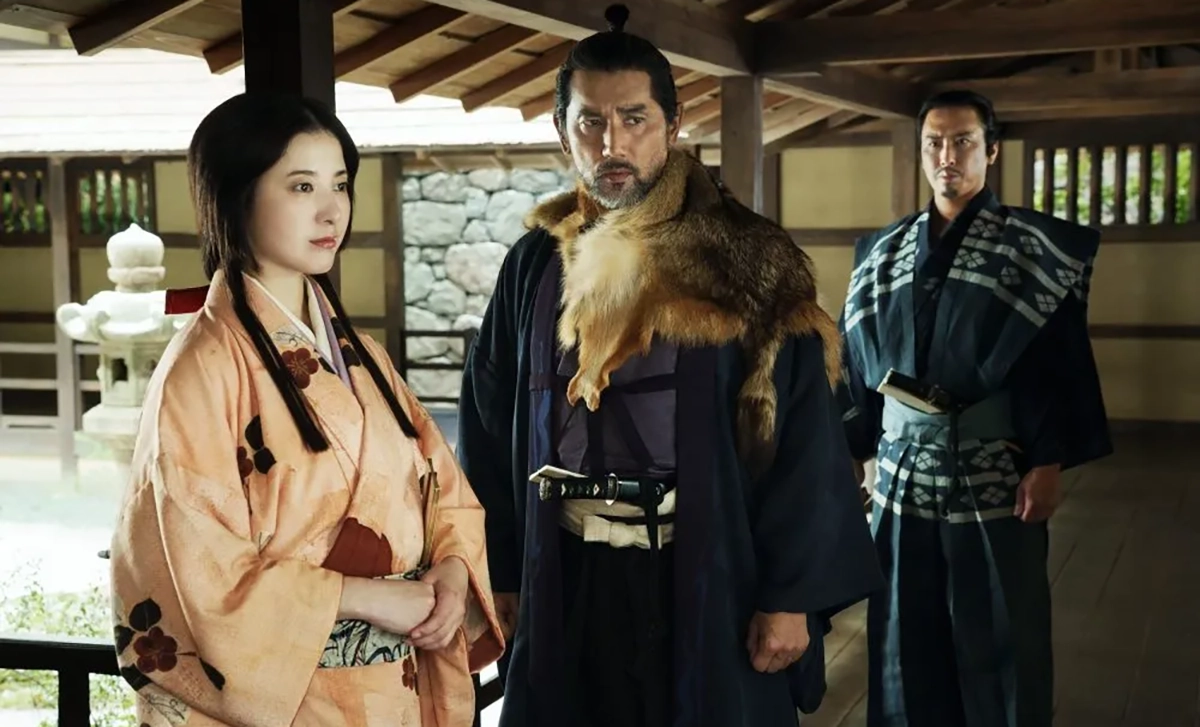
Thatâs where the film starts feeling unmistakably Kurosawa. Strip away the ghosts, computers, and contemporary settings and what remains are the concerns that have always animated his work: people becoming unknowable, institutions quietly collapsing, and ordinary spaces that no longer feel safe. “The Samurai and the Prisoner” simply discovers those anxieties four centuries earlier.
Kanbei remains one of the few people determined to read these events rationally. He can solve riddles. He can identify patterns. He can explain what happened.
The crimes can be explained.
The people remain mysteries.
Itâs tempting to think of Kanbei as the protagonist because heâs the engine of the mystery, but the investigation gradually reveals itself to be Murashigeâs story.
The mystery belongs to Kanbei.
The movie belongs to Murashige.
His reluctance to use violence gradually takes on a much darker significance. During a flashback to his service under Oda Nobunaga, Murashige is ordered to behead a line of defenseless maids as punishment after one of them briefly escaped the castle for a night out. He obeys, but thereâs nothing triumphant or even particularly samurai-like about it. Kurosawa makes us sit with Murashigeâs horror at what obedience requires of him. Itâs the filmâs most brutal passage precisely because the violence isnât sensationalized; what lingers is the moral injury of having committed it.
Kurosawa Makes Use of Ancient Geography
Suddenly, Murashigeâs preference for conversation over force feels different. So does the ritual calm of preparing tea. His restraint isnât simply the mark of a thoughtful ruler. It belongs to someone who already knows exactly what can happen when duty becomes an excuse to surrender your own judgment.
Who, then, is actually the prisoner?
Murashige can walk the castle, command soldiers, and interrogate suspects, but he cannot leave Arioka. Kanbei is physically shackled beneath the castle while remaining the freest mind in it. The distinction between freedom and captivity only gets murkier as Kurosawa turns Arioka Castle into a fortress, home, workplace, prison, military installation, and crime scene all at once. The walls protecting Murashige from Nobunaga also trap everyone inside with a murderer.
That sense of confinement works because Kurosawa makes the geography of Arioka unusually tangible. Early in the investigation, Murashige tries to understand how a seemingly impossible arrow could have killed one of the victims. He fires another arrow with a string attached and follows its path through the castle, tracing the route across walls, rooftops, and courtyards until the mechanics of the murder become visible. Murashige is solving the crime while Kurosawa is simultaneously teaching us how to read Arioka. What begins as a piece of detective work becomes a tour of the physical relationships between these spaces, so that later every doorway, courtyard, roofline, and corridor can become part of the mystery.
Kurosawa and His Love of Procedures
The remarkable thing is how little Kurosawa changes his filmmaking to accommodate the historical setting. Rather than emphasizing period spectacle, he treats Arioka Castle with the same matter-of-fact precision he brings to the apartments, offices, warehouses, and classrooms of his contemporary work. Spartan interiors, long corridors, thresholds, courtyards, and carefully blocked bodies become another labyrinth for characters trying to orient themselves inside an increasingly unstable world.
The labyrinth of the investigation exists inside the labyrinth of the castle.
Kurosawa has always loved procedures. Police investigations in “Cure.” Technology and communication in “Pulse.” The strange routines of everyday work in “Cloud.” Even “Chime” finds horror through repetition and ritual. Murashigeâs tea ceremonies belong naturally alongside them, another careful procedure meant to impose composure and order on a world quietly slipping away from him.
Procedures reassure us because theyâre supposed to make the world legible. Follow the steps, gather the evidence, and arrive at an answer.
A Detective Story or a Samurai Film?
“The Samurai and the Prisoner” gives Kurosawa two procedural systems at once: the detective story and the samurai film. One promises that careful observation leads to truth. The other insists that hierarchy, loyalty, and duty impose order on society. The murders force those systems into conflict. What happens when discovering the truth and fulfilling your duty no longer point in the same direction?
Itâs a question that hangs over the entire film, right alongside Nobunaga himself. Kurosawa barely needs to show him. Everyone knows heâs there. His army becomes an ambient pressure hanging over every conversation inside Arioka. Why obsess over solving one murder when an army waits outside preparing to kill thousands?
War is supposed to follow rules.
Murashige already knows those rules can demand monstrous things from otherwise decent people.
Thatâs what ultimately connects “The Samurai and the Prisoner” to the rest of Kurosawaâs work. It isnât secretly a horror movie. Itâs something more interesting. The ghosts, killers, and uncanny sounds were never the point. They were different expressions of the same underlying anxiety: uncertainty, isolation, institutions collapsing, and the creeping realization that the structures governing everyday life have quietly stopped making sense.
A Rich Film that Begs a Second Viewing
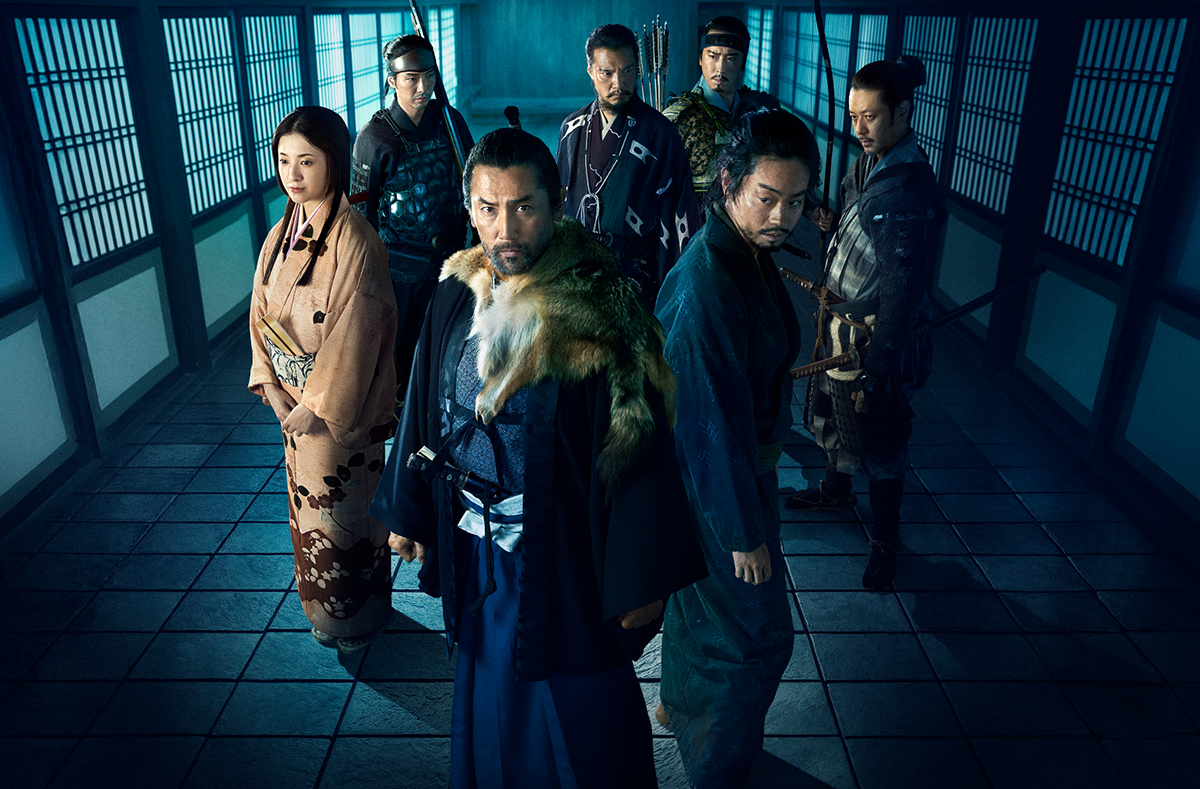
For Kurosawa, form follows function. The mystery twists, alliances shift, and the castle itself becomes a physical reflection of the investigation. Bodies move through corridors and courtyards with the same careful precision that clues move through conversations. His filmmaking never announces dread. It simply allows it to accumulate.
Quiet. Elegant. Patient.
Those qualities make “The Samurai and the Prisoner” feel less like a detour than another variation on themes Kurosawa has been exploring for decades. The period changes. The genre changes. The anxiety remains exactly the same.
I kept replaying individual conversations and images in my head long after the credits rolled. The more I thought about it afterward, the richer the film became. What initially presents itself as an impeccably constructed historical mystery slowly opens into something far more expansive: a meditation on the ethics of power, loyalty, freedom, reason, and the fragile systems people build to convince themselves the world makes sense.
Quintessential Kurosawa
“The Samurai and the Prisoner” is one of those rare movies that seems to keep unfolding after youâve left the theater. I canât wait to revisit it. Itâs also one of the very best films Iâve seen this year.
Murashige controls Kanbeiâs body. Kanbei controls information. By the end of the film, itâs hard to say which form of power matters more.
It turns out “Columbo” in feudal Japan isnât a detour for Kiyoshi Kurosawa.
Itâs quintessential Kiyoshi Kurosawa.