






Recently, I reviewed âProjection,â an eerie and effective short horror film from filmmaker Ari Groobman. Horror might be the wrong word for it. While the short film contains many elements of classic horror, itâs really about trauma and survival of it, using horror as its mechanism. And it succeeds well in this approach. With a scant budget ($30,000), trials and tribulations on-set, and practical effects in lieu of CGI, Groobman has made a good horror film that’s about so much more.Â
The Movie Buff was recently able to talk to Groobman about his film via Zoom. We discussed his inspiration for the film, getting the movie made, difficulties, the casting process, and more.Â
The following interview had been edited for clarity. Social media links and link to movie follow the interview.Â
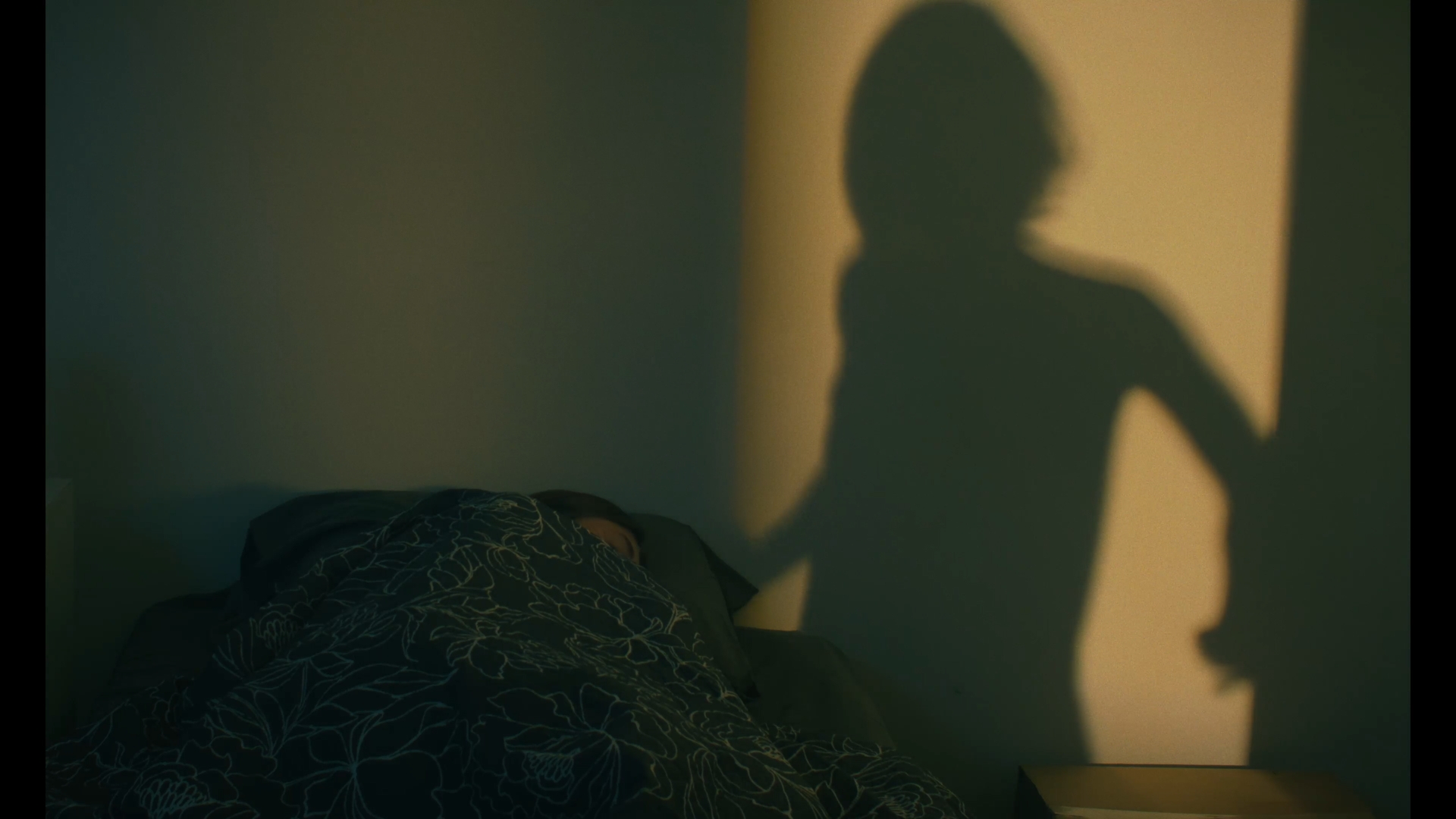
The title of Groobmanâs film â âProjectionâ â is apropos for the material. It follows a young woman and her sister who move into a bad neighborhood to escape their abusive parents. The filmâs opening includes lots of artistic renderings of the trauma that’s going on inside its leadâs head (Katie, played by Mikey Gray). Suspicious neighbors lurk and stare, and the film is scored with an ominous, droning feeling. When I asked Groobman what prompted him to make this film â and make it in this way â he was vocal.Â
âI feel like a lot of creative people have mental health issues,â he stated. âAnd I have mental health issues. I came from an abusive home, and I grew up and escaped that in my teens. And because that happened in my formative years, I developed a lot of PTSD. I also have a condition called ânightmare disorder,ââ Groobman continued. âThese were things I had lived with for a very long time and I started working with a wonderful therapist. And this kind of story [âProjectionâ] was an expression of very internalized rage.âÂ
Groobman shared he’d been working with his therapist on these issues and talking to others who’d gone through similar traumas. They all seemed to suffer from guilt and shame from what they carried. And he knew he wanted to express that somehow. He added, âwe wanted to be the end of the cycle. We didnât want to pass on the abuse we had experienced to other people within our lifetimes. I wanted to explore that internalized rage and almost offer a catharsis.âÂ
I feel like a lot of creative people have mental health issues. I have mental health issues.”
Ari Groobman
Those who have seen âProjectionâ will know exactly what that catharsis is. Itâs not pretty. And I think thatâs the point of Groobmanâs film â getting over these things is possible. But itâs never easy or cookie-cutter like some people expect.Â
The way Groobman explained this internalized rage in the interview was â and what he told friends and others when the film was in pre production â âhave you ever had a really bad day, and you think to yourself I wish someone would mug me right now, and I could beat the absolute hell out of them.â He continued, âI thought about what that would be, especially for someone who had gone through strong abuse who could experience a catharsis that could sort of like alleviate that.â However, Groobman was right to say that that might not be a âhappy ending, but leads to emotion and sadness due to its depleting nature. He wanted to explore not just the catharsis but also the aftermath of that as well.Â
While in life Groobman mostly went through trauma on his own, in âProjectionâ he gives his lead a sister. Played by Preslea Elliott, she acts as a two-fold narrative tool. On one hand, it helps Katie not feel so alone, and abuse happening to her younger sister is the straw that broke the camelâs back in forcing her to leave so someone else wouldnât endure what she did. âItâs a lot easier to do an action when youâre doing it for somebody,â he said, ârather than when youâre doing it for yourself.â Groobman talks about Katieâs sense of learned helplessness and reflex to âsort of just take this. âBut when she thought it was going to affect someone close to her, sheâs like âI have to step in.ââÂ
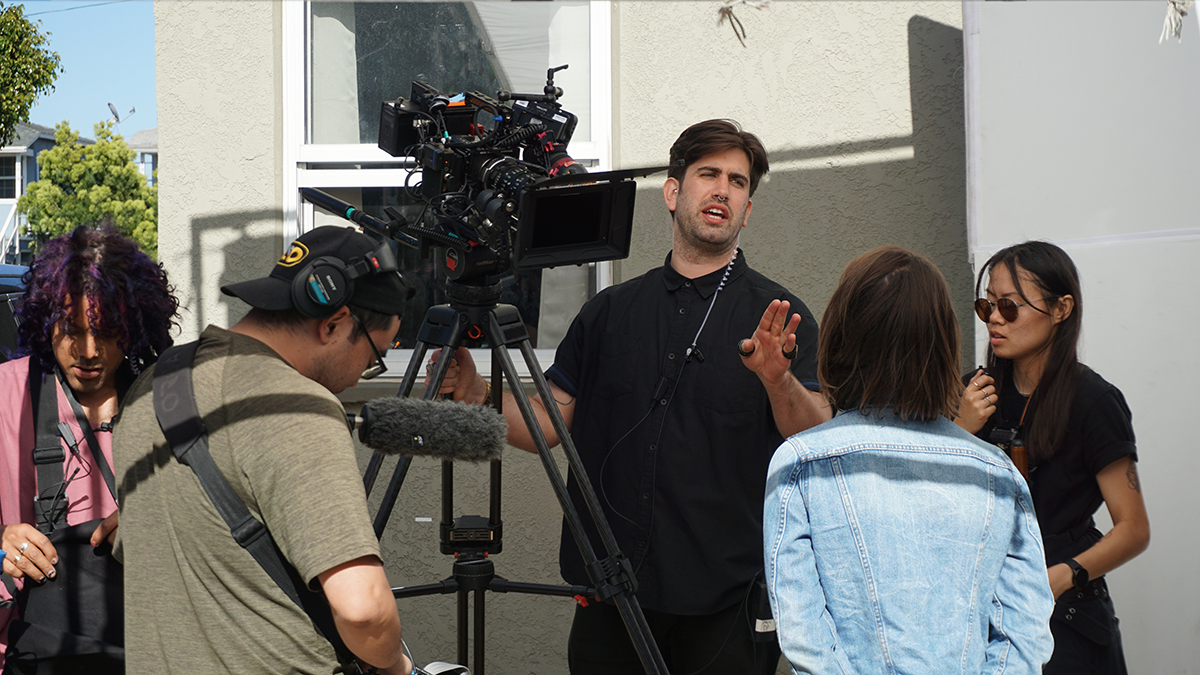
Having the sister/sister relationship became integral to the film. And when I asked Groobman how he came to work with both Preslea and Mikey, he was quick to share. âI had done sort of a favor project for a friend of mine who ended up being a producer on this short film,â he said. âI had directed a film for him, and we ended up casting Mikey and I really enjoyed working with her. And I found out that she was trained in Shakespearean theatre.â This worked out for Groobman, who shared that since âProjection was not dialogue-heavy, he needed someone who could perform complex emotions and also project outward â âpast the camera,â he said â to reach the audience. âMikey was really able to project those emotions.âÂ
Groobman shared that he connected with actress Preslea Elliot via Actors Access and felt she did a great job. âI really hope to work with her again,â he said. âAll the actors did a fantastic job.â
The production is even more impressive as Groobman shared that due to the filmâs budget and constraints, they only had time for one take per shot. Groobman joked for a minute: âThe whole shoot itself was itâs like its own error story.â He shared that the place they rented was scheduled for demolishing â and then wasnât â there was water damage, etc. âThere was so much that went wrong,â he said. This included beef between the owners of the building and the tenants above them, leading Groobman and Cinematographer Marc Parroquin having to get tenant permission for certain shots. âWe were flying by the seat of our pants,â he finished.Â
Talking about some of the other aspects of the film led to some interesting conversation. This is especially true in the casting of Katieâs mother. She is voiced by Director Groobmanâs wife, Elisabeth Parroquin, who is his DPâs sister. Given how good Groobmanâs wife was at the dialogue she has â and how utterly scary and traumatizing she comes off â it says something about Groobmanâs ability to craft a story that it worked as well as it did, especially given his own trauma. He shared that the role was âcursed.” They went through several actresses who all fell through before his wife agreed (some cancelled, some didnât work, and several said the material was too upsetting to read). However, when Elisabeth did the part â herself with acting and casting experience â many on set were chilled by her performance.Â
The unspoken question I had for Groobman â aside from what he hoped viewers will get from this film â was if it was negatively affecting for him to make given his past.
âMaking anything is really hard,â he joked. âIâm happy where itâs at, but Iâm so grateful that itâs done.â He continued, âIâm happy that itâs out there and Iâm happy I was able to put a version out there of the kind of horror I like. My goal was, I wanted to show a range of stories that I like telling.â Groobman also shared that part of what he learned making this film that he hadnât while filming an earlier film was in using his budget to get good post production. Groobman talked about the score and sound design (both of which are well done) as being the result of that.Â
I wanted to be a stickler. I love practical effects and I wanted to show that practical effects are really good.â
Ari Groobman
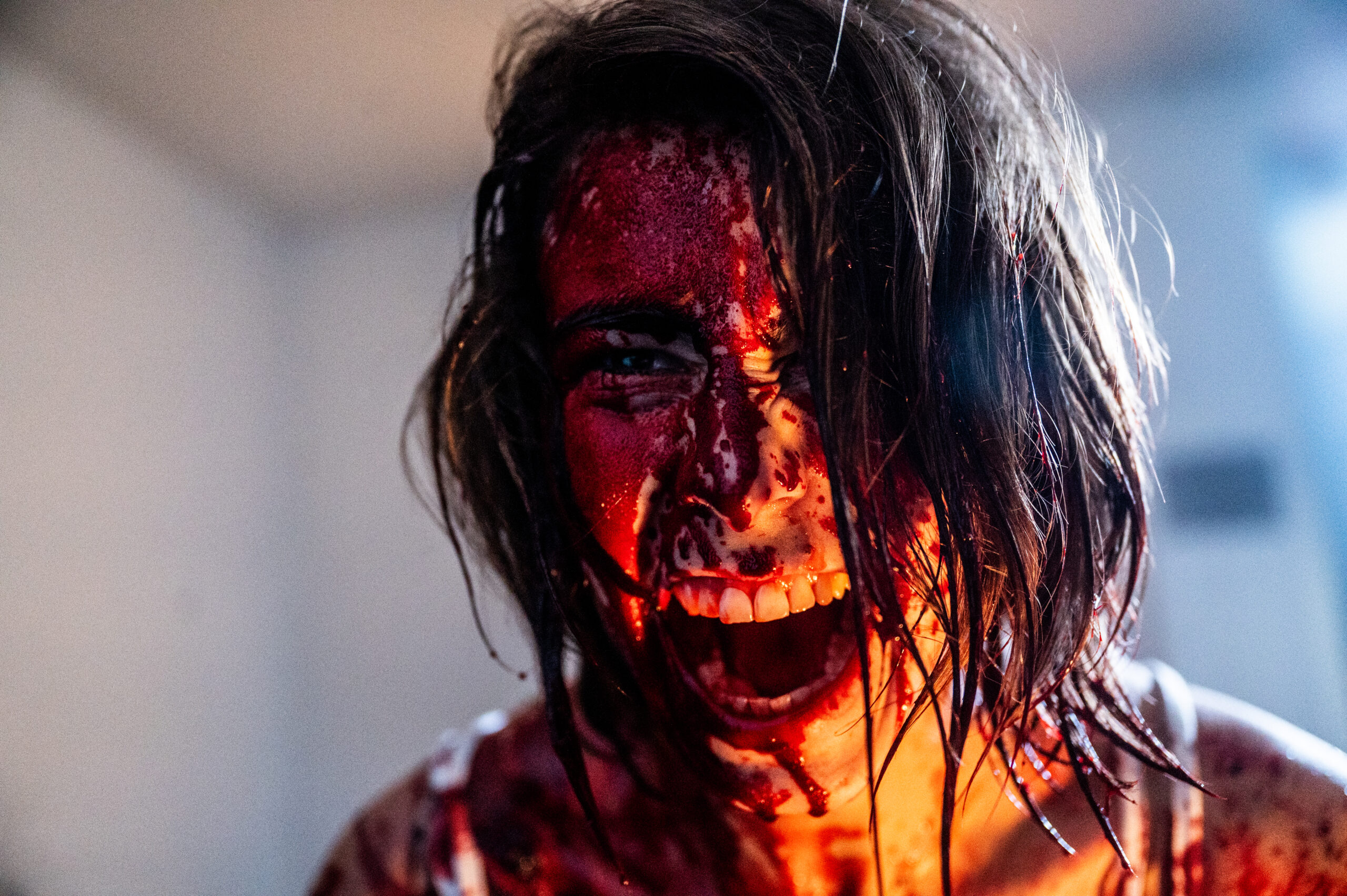
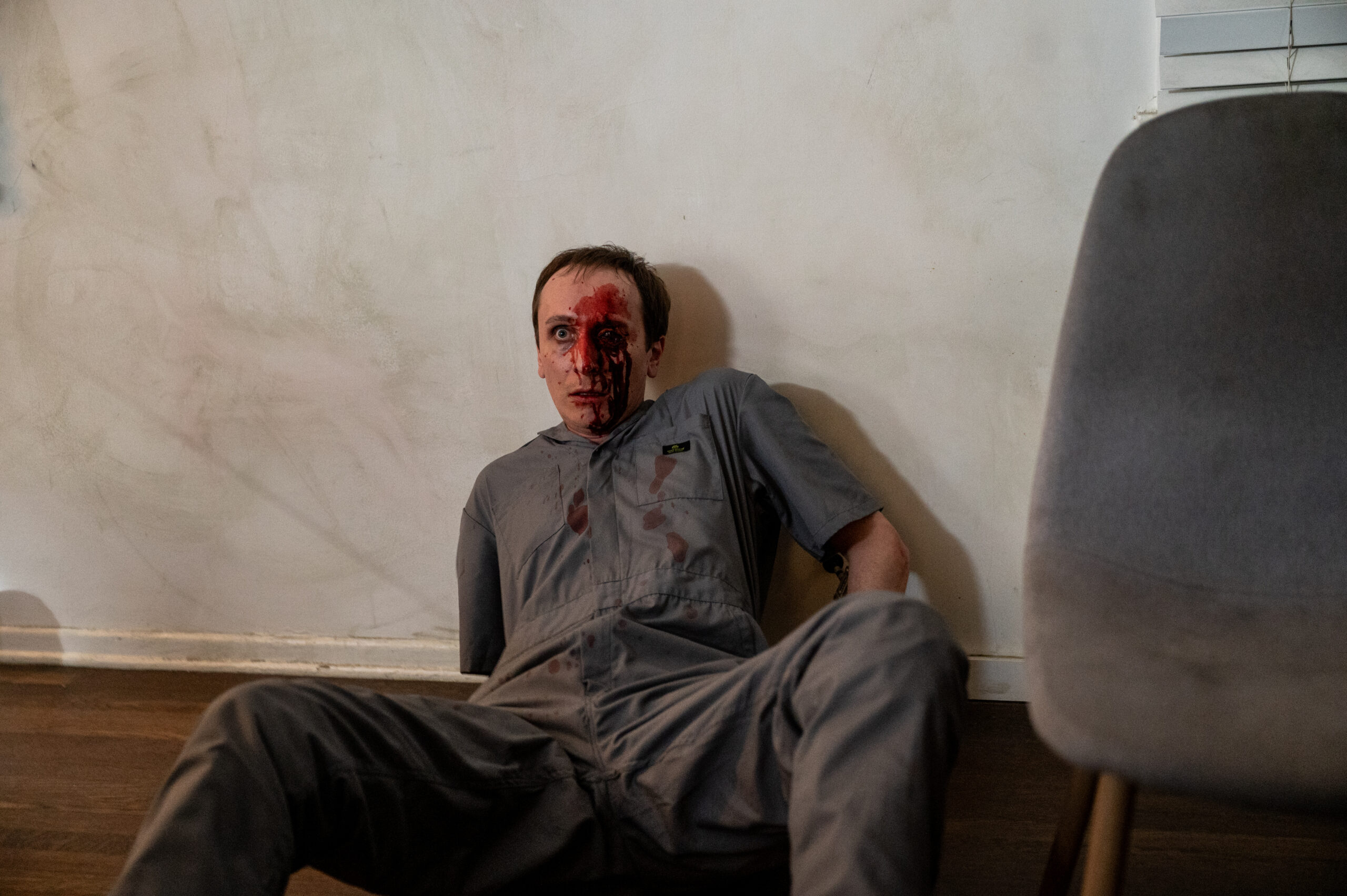
Some of the rest of the budget went to practical effects (thereâs little if any VFX here). âI wanted to be a stickler,â he said. âI love practical effects and I wanted to show that practical effects are really good.â He added, âthereâs things you canât cheat,â referencing older movies from the â80s and â90s, and surmised thatâs why people liked this yearâs âFrankensteinâ so well. A fun bit of trivia here: for the facial effects of the intruder â whom Katie essentially eviscerates towards the end â they couldnât afford an actual cast of the actor’s face so they used a Tom Cruise mask. It reminds one of John Carpenterâs âHalloweenâ and how Michael Myersâ mask came from warping a Captain Kirk mask. A makeup artist friend of Groobmanâs helped make the finished product what it was. âShe did a great job,â he said.Â
We talked about the future of âProjectionâ and what’s next after this. While short films arenât usually rented or purchased like full length films, Groobman is proud to have his film available for free to watch on YouTube. He shared “Projection” â along other horror shorts like âCurveâ and âThe Other Side of the Boxâ â is great exposure. It can lead to better things (we need no further evidence of this than the success of âBackrooms,â which started on YouTube). Yet Groobman was quick to mention the unspoken thing understood in the indie film industry: âA lot of it is luck.â And while a feature film may be in Groobmanâs future, heâs content to see where this film takes him first.Â
For those who wish to follow more of Groobman’s work, you can follow him on Instagram, YouTube, and his official website. Groobman shared that he’s working on a new film, which will be a dark comedy. You can watch “Projection” for free on YouTube by clicking the following link. Follow The Movie Buff for more content from the filmmaker as it becomes available.
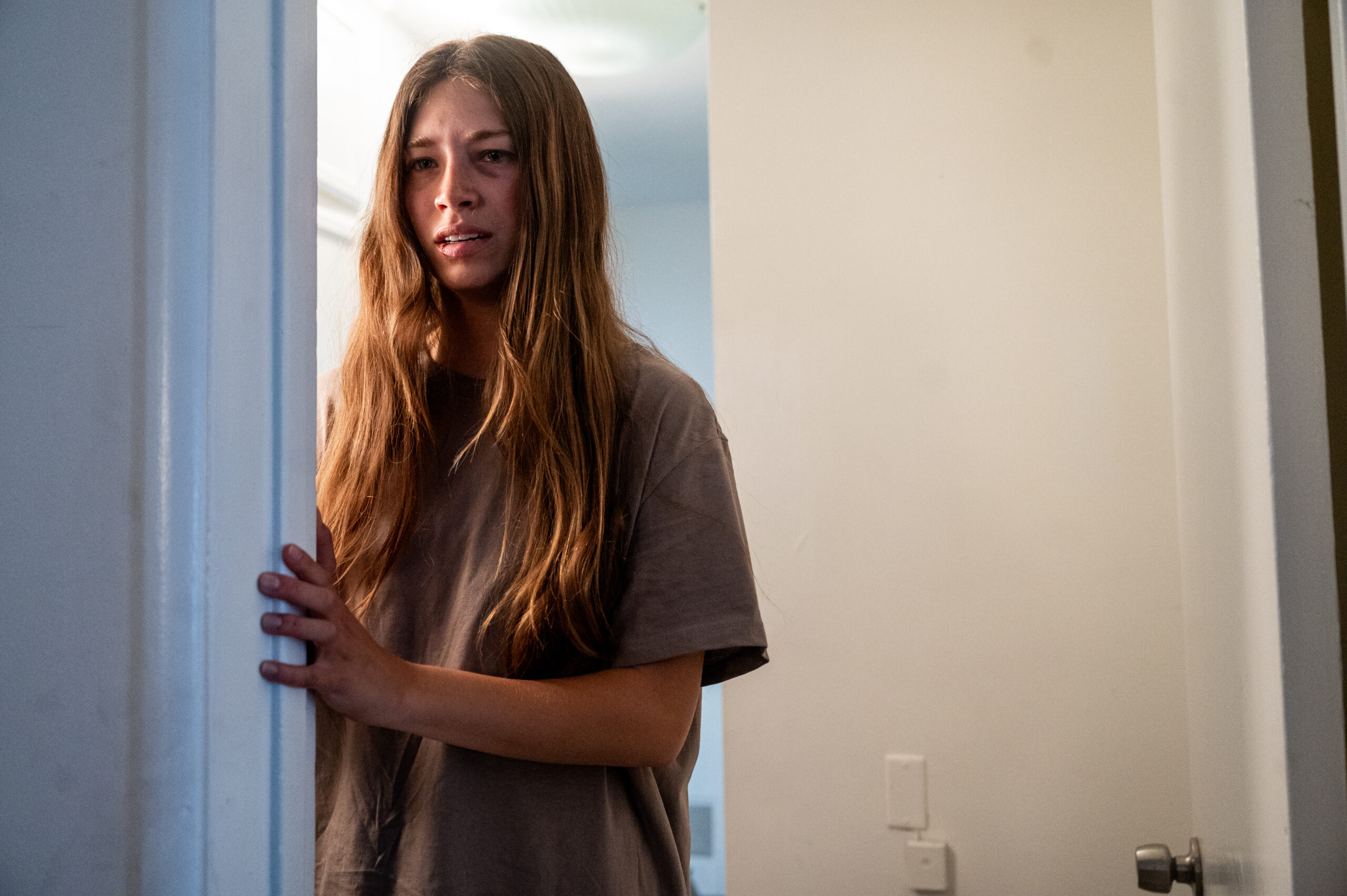
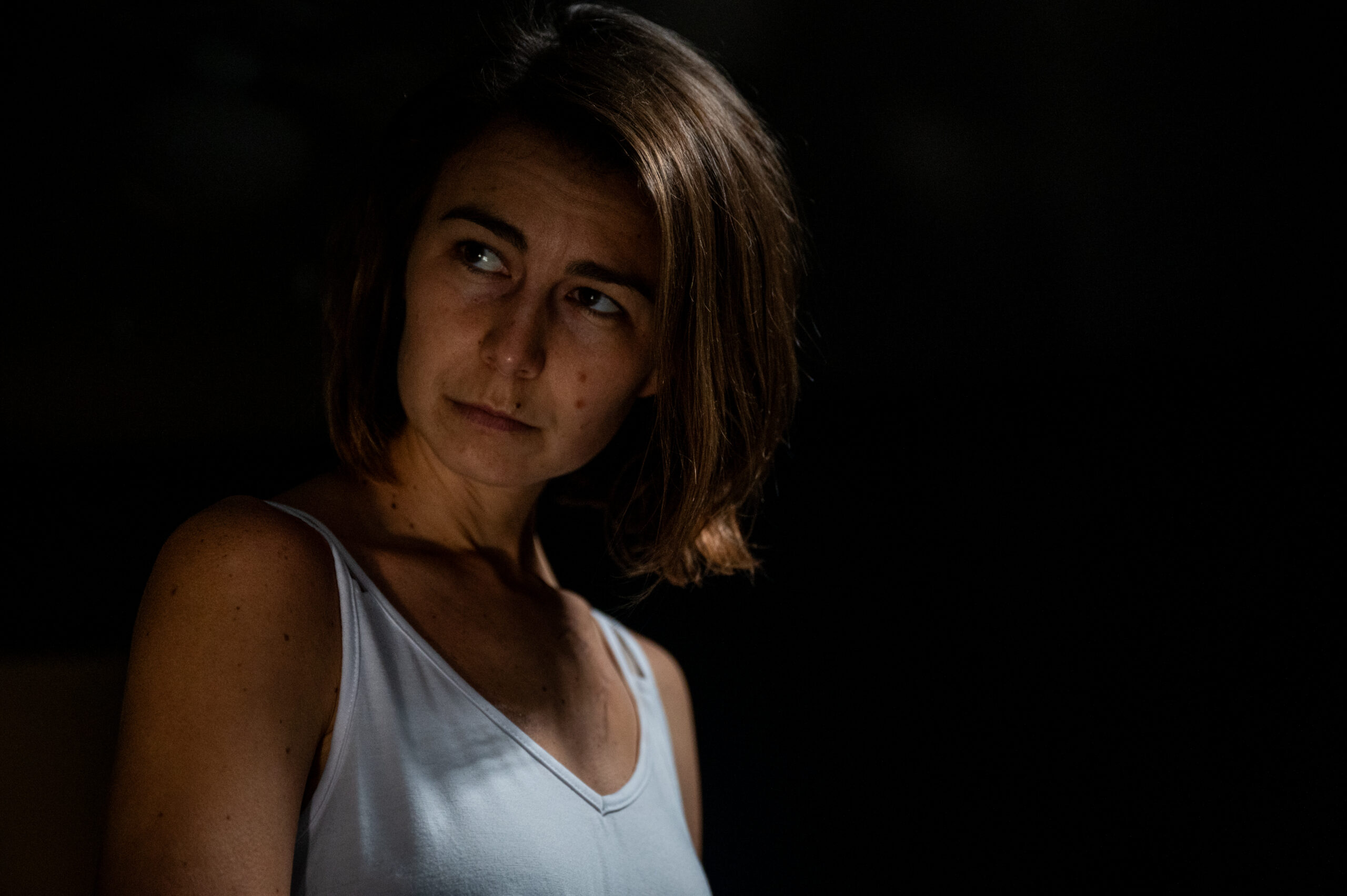
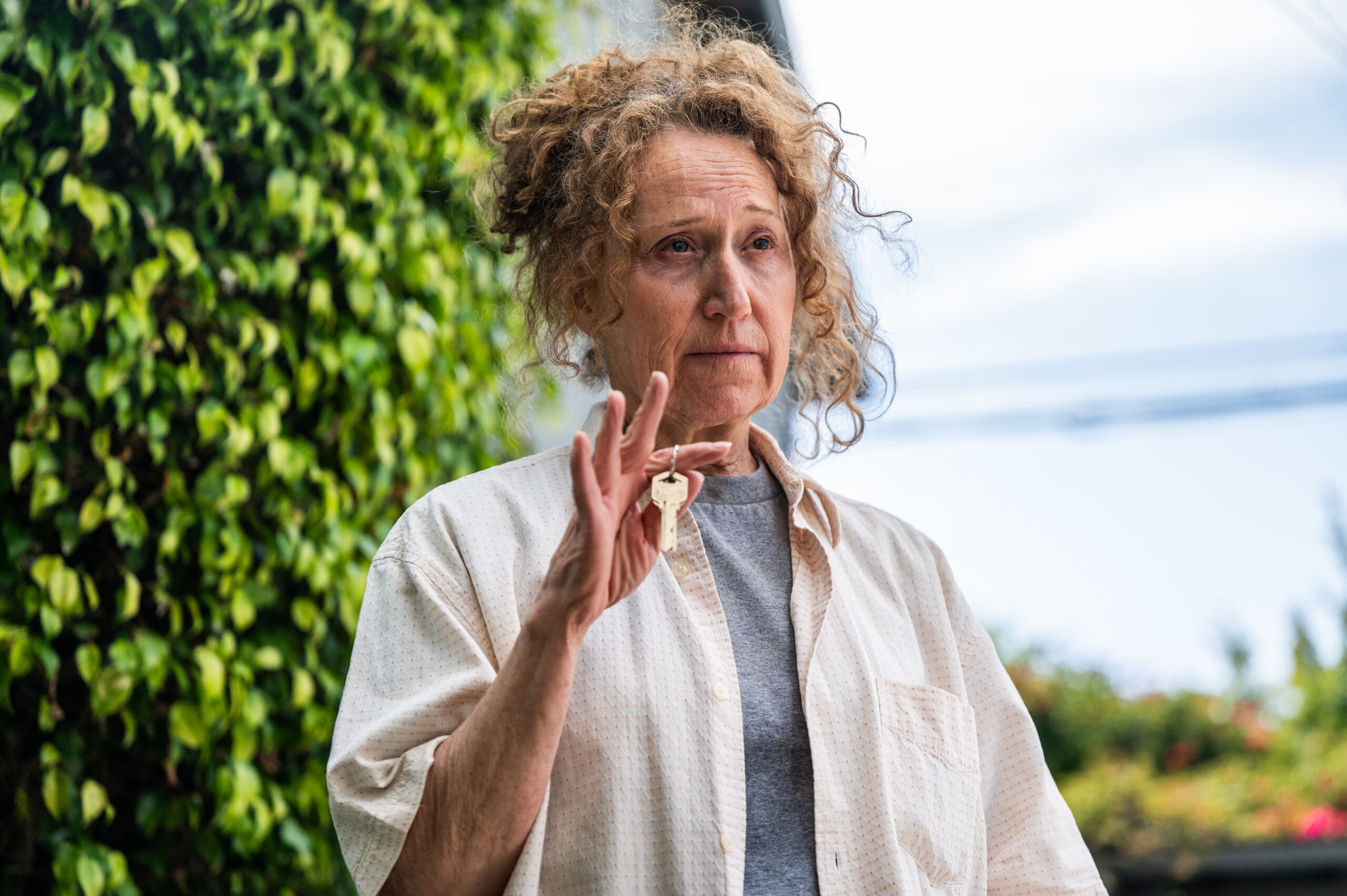
Movie Stills from ‘Projection’
–> Read More: Browse our entire interview archive.


