





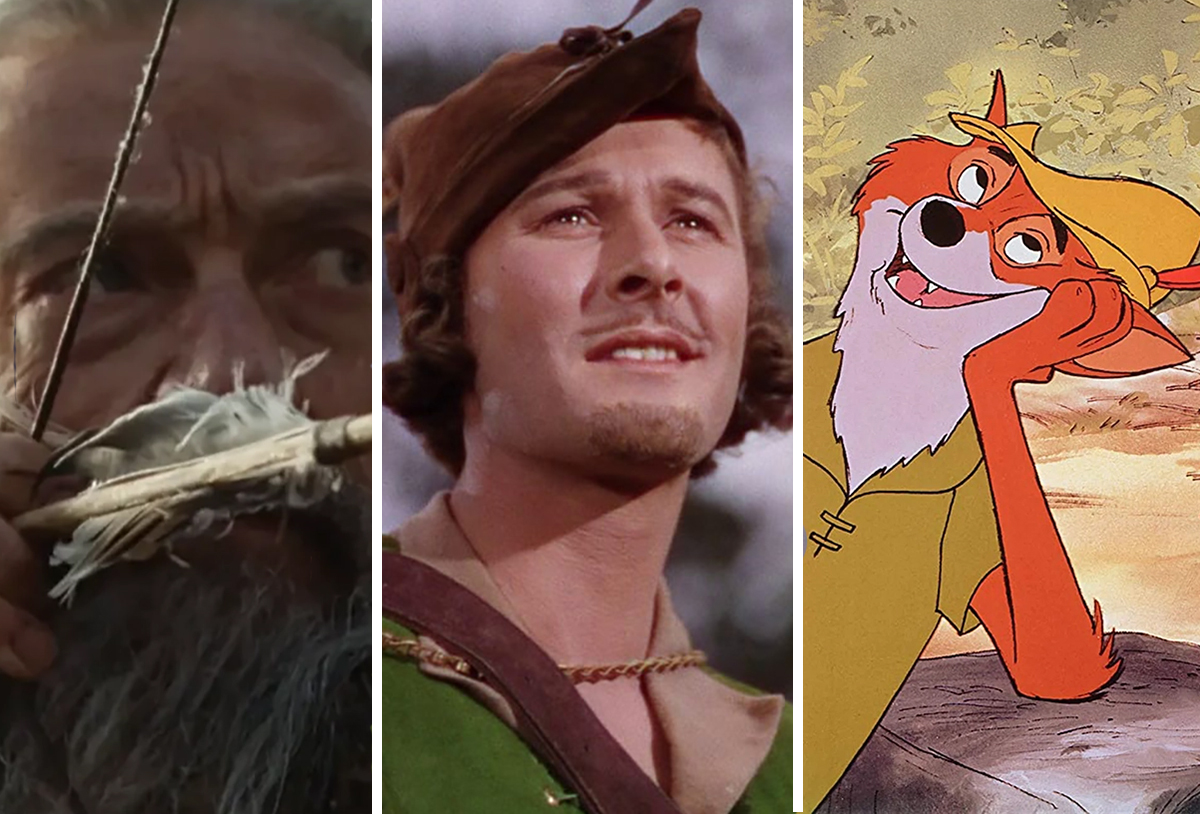
The release of Michael Sarnoskiâs “The Death of Robin Hood” got me thinking about the strange cinematic legacy of Englandâs favorite outlaw. Few characters have proven as adaptable as Robin Hood. Depending on the era, heâs been a swashbuckling movie star, a cartoon fox, a revisionist antihero, a parody target, and now the subject of a grim arthouse meditation on violence and mythmaking.
After revisiting every major theatrical “Robin Hood adaptation,” hereâs where I landed.
8. ‘Robin Hood’ (2018) – Dir. Otto Bathurst
This movie sucks. Itâs a redundant attempt to create a grim-and-gritty Robin Hood origin story designed to open the door for future adventures and Merry Men spinoffs that never materialized. The opening 5â10 minutes are essentially “The Hurt Locker” with bows and arrows instead of machine guns, a choice that immediately signals how desperately the film wants to modernize a story that didnât need modernizing.
You could at least forgive it if it were stupid fun in the vein of “King Arthur: Legend of the Sword” or if it had one scenery-chewing performance to hang its hat on. Instead, Jamie Foxx and Ben Mendelsohn appear to be on autopilot, leaving behind a turgid slog filled with a bunch of scoundrels wearing khakis and weighed down by endless origin-story housekeeping. Hereâs how the Sheriff of Nottingham got promoted. Hereâs how Robin got his hood. And hereâs how a studio spent $100 million trying to launch a cinematic universe nobody asked for.
7. ‘Robin Hood: Prince of Thieves’ (1991) – Dir. Kevin Reynolds
“Robin Hood: Prince of Thieves” is one of the most fascinatingly flawed blockbusters of the 1990s. Itâs a movie anchored by a major movie star who seems to have absolutely no take on the character heâs playing, while an army of supporting actors spend the entire run-time going for broke. The result is frequently messy, often ridiculous, and somehow never boring.
I donât think itâs a particularly good movie, but man â they donât make them like this anymore. Kevin Reynolds mounts the whole thing with genuine scale and confidence, giving it more in common with “Raiders of the Lost Ark” than the average modern blockbuster. And then thereâs Alan Rickman, whose Sheriff of Nottingham operates on a completely different wavelength from everyone else in the cast. His scenery-chewing performance reportedly drove both the producers and Kevin Costner crazy and should have earned him an Oscar nomination. A deeply flawed movie, but an undeniably memorable one.
6. ‘Robin Hood: Men in Tights’ (1993) – Dir. Mel Brooks
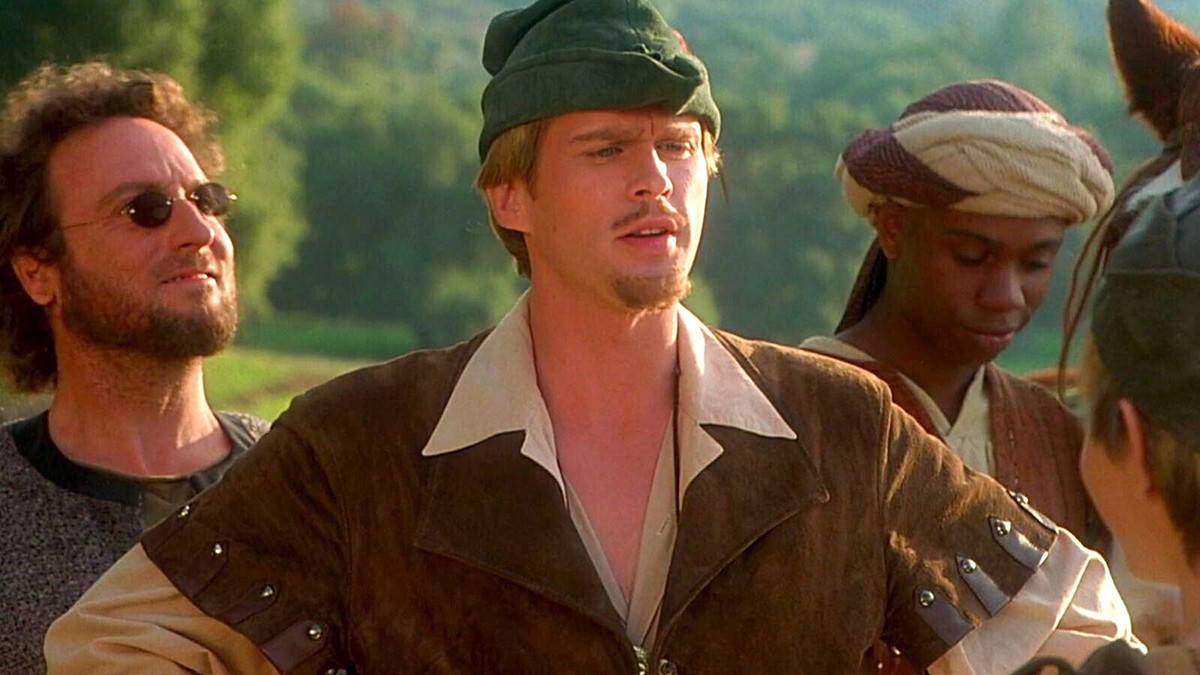
Mel Brooksâ “Robin Hood: Men in Tights” is a charming movie that is somehow both good and bad at the same time. Its contemporary references and early-â90s humor can be hit-or-miss three decades later. However, the filmâs relentless mockery of “Robin Hood: Prince of Thieves” remains genuinely funny. Brooks wisely understands that Kevin Costnerâs blockbuster already did most of the heavy lifting for him.
The cast does a lot of the work. Cary Elwes is tremendously likable, essentially riffing on the swashbuckling persona he established in “The Princess Bride,” while Dave Chappelle is such a natural screen presence that he feels like a star from the moment he appears. Richard Lewis also steals several scenes, aided by one of the great running gags in the movie: a mole that seems to have a mind of its own. The satire may be limited in scope, but itâs hard not to appreciate a comedy that knows exactly what movie it wants to make and squeezes a surprising number of laughs out of it.
5. ‘Robin Hood’ (2010) – Dir. Ridley Scott
Few blockbusters inspire more âwhat if?â speculation than Ridley Scottâs “Robin Hood.” Scott has said he was dissatisfied with virtually every Robin Hood adaptation heâd seen â with the notable exception of “Men in Tights” â which helps explain why he was drawn to “Nottingham,” a screenplay that approached the legend from a perspective more sympathetic to the Sheriff of Nottingham. Rather than make that film, however, Scott ultimately reshaped the project into a revisionist Robin of Loxley origin story.
The result is a flawed but fascinating movie. Itâs anchored by a ridiculously stacked cast, including Russell Crowe, Cate Blanchett, Mark Strong, Max von Sydow, William Hurt, and a scene-stealing Oscar Isaac, who spends the entire film screaming as Prince John while wearing distractingly bright blue contact lenses. The pacing is a mess â Robin doesnât really become Robin Hood until deep into the run-time â and Crowe is oddly uncharismatic in the lead role. Still, even a lesser Ridley Scott film is more watchable than most modern blockbusters. Iâd recommend it to Scott devotees and anyone looking for a very expensive sick-day movie.
4. The Death of Robin Hood (2026) – Dir. Michael Sarnoski
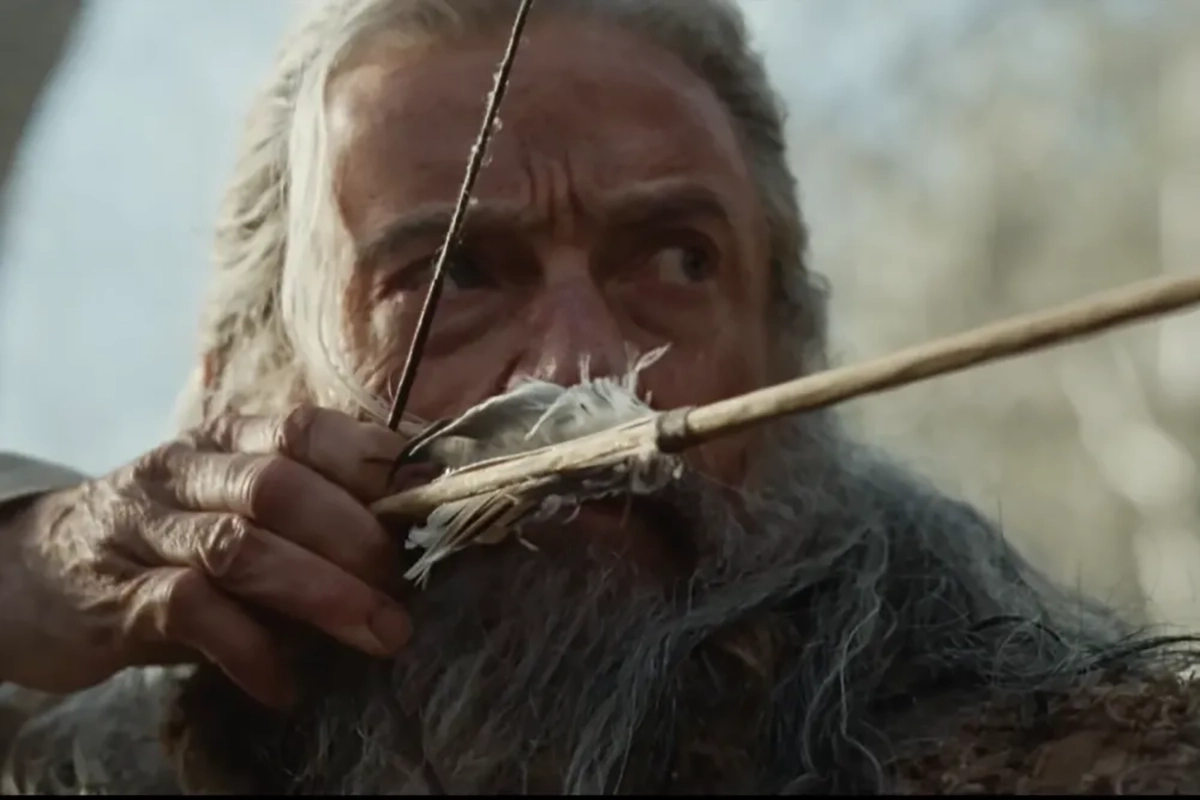
Michael Sarnoskiâs “The Death of Robin Hood” is one of the strangest and most confrontational adaptations of the legend yet. Starring Hugh Jackman as an aging outlaw, it filters Englandâs favorite folk hero through the historical grime and unsparing violence of a Robert Eggers film, while drawing heavily from the revisionist westerns of Clint Eastwood. The result is a grim fable that strips away the wish fulfillment and adventure typically associated with Robin Hood in favor of a story about how legends are born.
Itâs often hazy, deliberately unpleasant, and almost hostile to conventional notions of entertainment. Sarnoski seems far more interested in interrogating the Robin Hood myth than celebrating it, resulting in a bold, deeply rewarding film that feels destined for commercial failure. Artistically, though, itâs hard not to admire.
3. ‘Robin Hood’ (1973) – Dir. Wolfgang Reitherman and David Hand
For modern audiences, Disneyâs “Robin Hood” is probably best known as âthe one with the hot fox,â but thereâs a reason the movie has endured beyond Internet jokes. Itâs one of the most charming and easygoing films Disney ever made, with a looseness that almost feels improvised at times.
The songs are among Disneyâs best, and the film balances its humor with a surprising amount of melancholy. Thereâs something wonderfully folksy about the whole thing; less an adventure story than a gathering of friends. It feels like a mellow, endless party where everyone is welcome, which makes it one of the coziest interpretations of Robin Hood ever put on screen.
2. ‘Robin and Marian’ (1976) – Dir. Richard Lester
If “The Death of Robin Hood” has a spiritual predecessor, itâs Richard Lesterâs “Robin and Marian.” This revisionist take imagines an aging Robin Hood returning home only to discover that the legends surrounding him have become far grander than the life he actually lived. Closer in spirit to “The Man Who Shot Liberty Valance” than “The Adventures of Robin Hood,” itâs a film about what happens after the story ends and the heroes are left to live with the consequences.
If Disneyâs animated “Robin Hood” feels like an endless party, “Robin and Marian” is about a group of adults mourning the fact that the party is over. Sean Connery and Audrey Hepburn are wonderful together, Richard Harris is gloriously unhinged, and Robert Shaw gives the Sheriff of Nottingham a weary dignity as a man who has spent decades trapped in the same role. One of the filmâs major action sequences involves Robin and Little John struggling to climb a wall â a perfect encapsulation of a Robin Hood story more interested in aging, regret, and mortality than swashbuckling adventure.
1. ‘The Adventures of Robin Hood’ (1938)
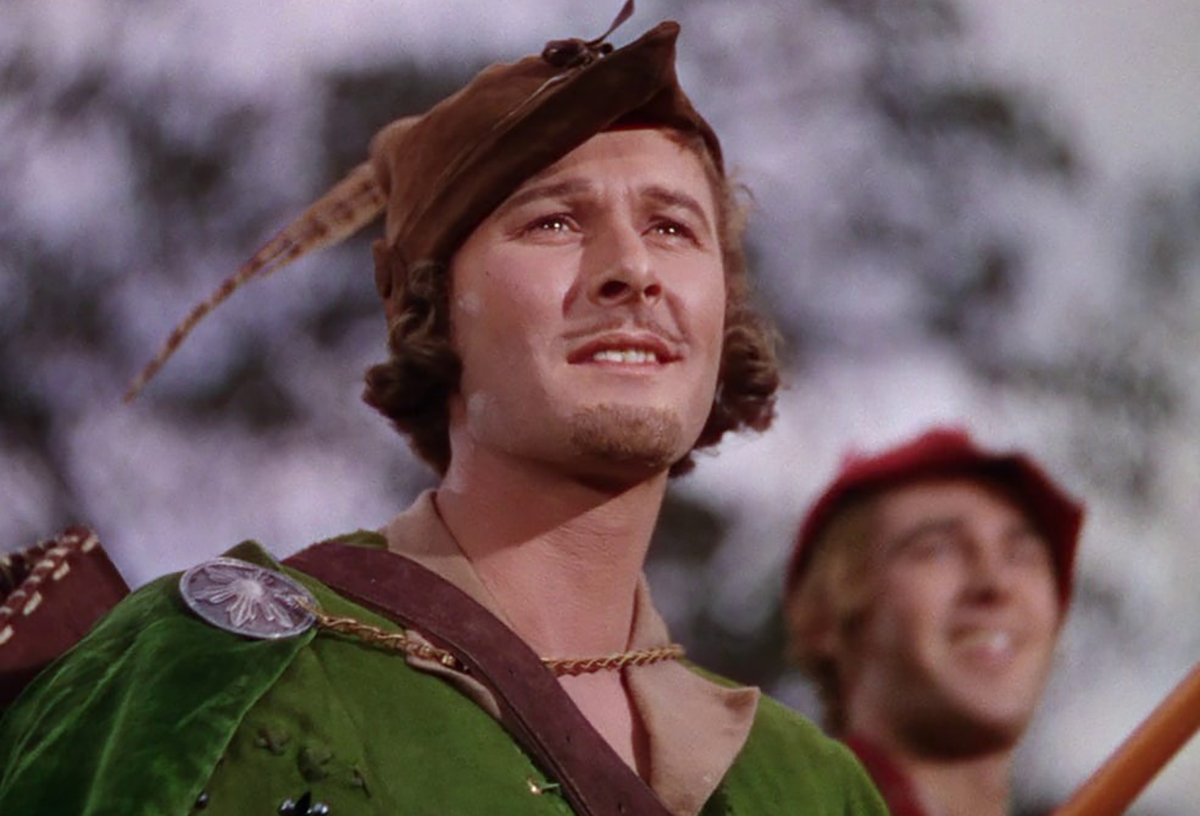
I somehow made it this far without seeing “The Adventures of Robin Hood,” and after finally correcting that oversight, I have to admit that sometimes the most iconic version is simply the best. This instantly became one of my favorite movies. Everything that makes Robin Hood work as a character is here: the romance, the swashbuckling, the populist spirit, and above all, an all-timer movie star performance from Errol Flynn.
What shocked me most is how modern it feels. The pacing is remarkably brisk and you can see its DNA in everything from “Star Wars” to “Pirates of the Caribbean.” Flynn is so effortlessly charismatic that the movie practically glides on his energy alone. Nearly ninety years later, itâs still a rollicking good hang and a reminder that adventure movies donât have to be complicated to be great.


