Video game adaptations have become the latest trend in Hollywood. Ever since the ’90s, they have been around, with âSuper Mario Bros.â (1993) and âStreet Fighterâ (1994) being the most infamously recognized. But now, they have become more prominent, with a new film about a classic character or franchise released each year. The move itself to shift towards video games as the next revenue stream is not entirely a bad one, especially when handled with care and respect for the source material. However, it shows that Hollywood is scraping through crumbs for ideas. You can do a lot with the gamesâ source material, bringing vivid worlds and landscapes to life while creating new, adventurous stories. Yet too often, these films prioritize brand recognition over genuine creative risk.
The focus of these production houses and big companies is on nostalgia, which results in products that lack a distinct artistic voice. The excuse of not looking for character work or narrative in these films is unacceptable when, in the great majority, the games provide plenty of time to define the people in the worlds they inhabit. For example, in the 2000s, we saw the likes of Paul W.S. Andersonâs âResident Evilâ series and âSilent Hill,” both based on franchises that already possessed rich lore and depth, which dismissed their source materialâs psychological complexity.Â
The Necessary Latch is Long Gone in Cinematic Adaptation
While the latter slightly explores some of the themes in its games, the two seem to focus on the horror or action-horror elements to provide theater-goers with some popcorn entertainment. This is fine in hindsight. Yet it is a complete dismissal that comes across as bothersome. There are many reasons why this happens. But one of the main issues occurs because these games work because we grow fond of or attach ourselves to the characters we use, whether it be Leon S. Kennedy and Claire Redfield or Harry Mason and James Sunderland. The emotional investment we put into video games is precisely what gets lost amid the change in medium, from consoles to theaters. It reduces these worlds and tales to sunken spectacles mounted on recognition alone.
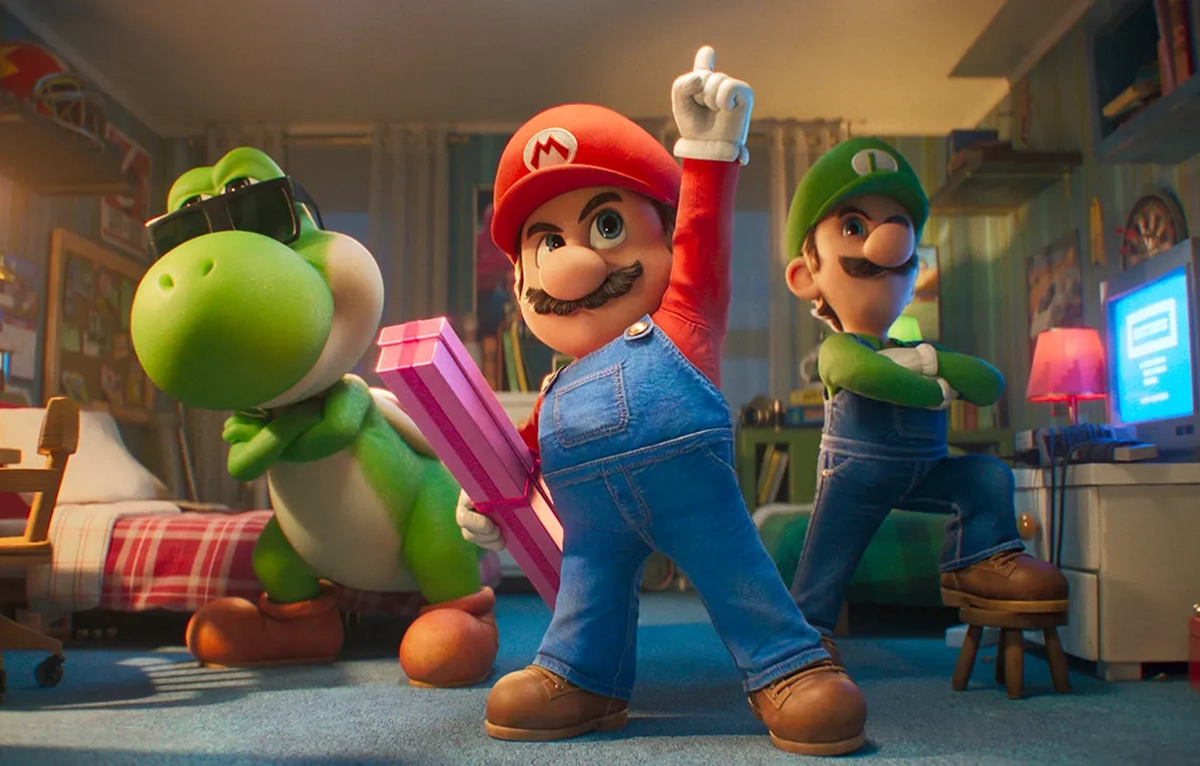
The latch that needed to engage with a picture has been sidelined to comply with peopleâs craving for nostalgia and entertainment. The majority of the most recent ones are like that, vacuous and uninspired yet catered to fans, but the most brutal of them all has to be the “Super Mario Bros.” series of films. Mario, one of the most recognized video game characters of all time, is a nostalgia machine. Everybody has played one of his games at some point, whether when they were younger or even recently. So, a film based on his adventures in the mushroom kingdom hitting our local cinema is inevitable, as it is an easy cash machine destined for Box Office success, just by name alone.Â
‘Super Mario’ at the Cinema
The first of the many upcoming installments was released in 2023, with great acclaim from fans and dismissal by critics. The former were favored by the references, while the latter objected to its minimal, uncaring manner of proceeding through the narrative and characterization. Now, in the sequel, âThe Super Mario Galaxy Movie,” the issues presented in the 2023 picture are multiplied by a dozen. What was once a cheap amusement magnet has now become a marketing tactic and the most vacuous form of childrenâs entertainment that viewers should be apalogized to for watching.Â
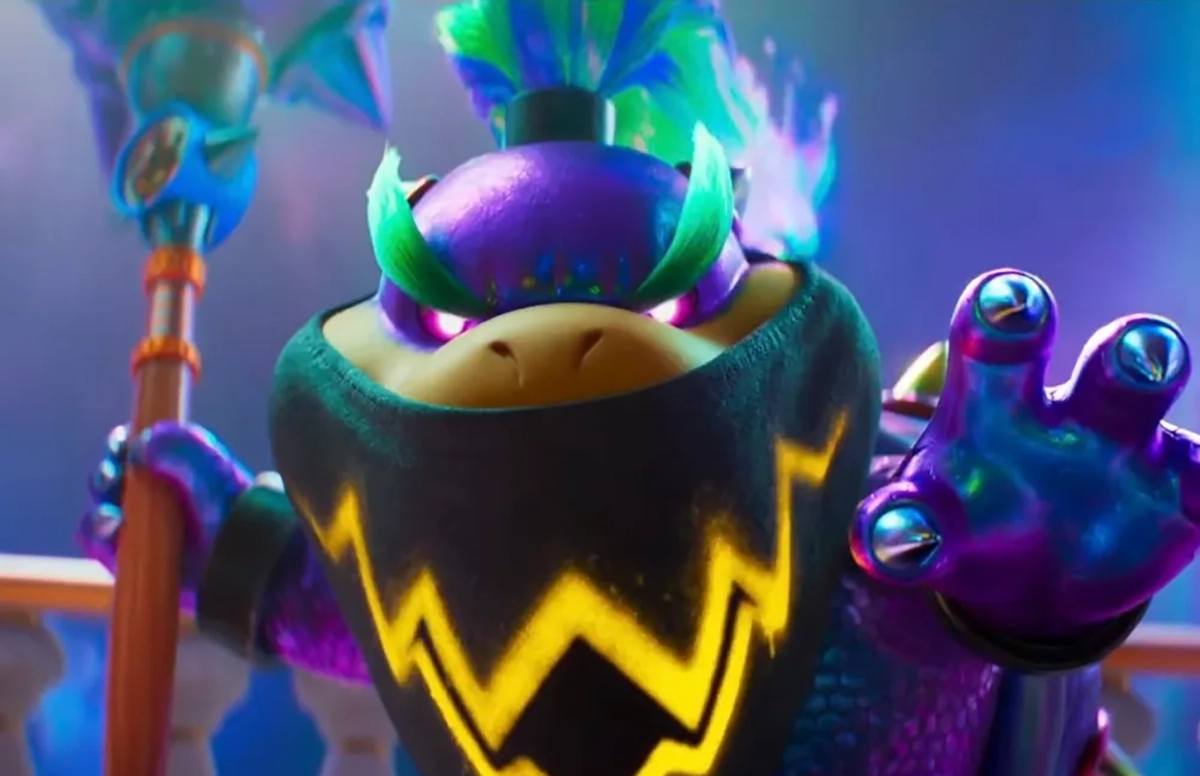
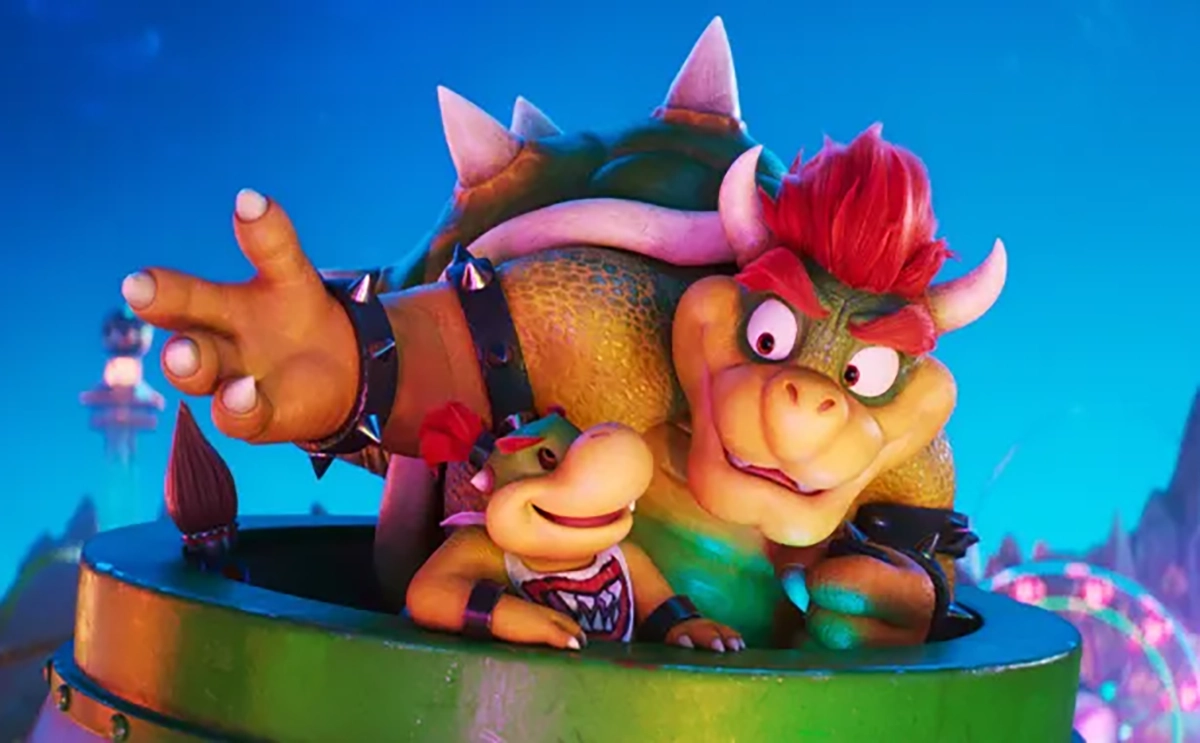
âThe Super Mario Galaxy Movieâ begins with an abrupt introduction to two new characters in the film franchise. Princess Rosalina (voiced by Brie Larson) is in her space-traveling kingdom, taking care of her Lumas, when she hears a loud bang on her doorstep. She heads out to see what is causing all of this commotion and sees Bowser Jr. (Benny Safdie, the voice-acting castâs best in show), who has hatched a plan to capture Rosalina and use her powers for galactic domination. Once captured, Bowser Jr. heads to a planet of his own creation, Planet Bowser, to search for his father, Bowser (Jack Black), to complete his lifelong dream to rule the galaxy alongside the man who taught him everything he knows about evil.Â
Doomscrolling a Film
These two characters are hastily presented, as if you are meant to know who they are and what their motives are. This sets the precedent for the lackluster, mind-numbing narrative the film has in store for viewers. It rushes through dialogue as if speaking were a hundred-yard dash. Through misadventures in various planets that are difficult to explain because so many things happen rapidly, Mario (Chris Pratt) and Luigi (Charlie Day) must now team up with some companionsâold and new, Princess Peach (Anya Taylor-Joy), Yoshi (Donald Glover), Starfox (Glenn Powell)âto rescue Rosalina from her captivity and save the galaxy from the Bowser father-son duo that are aching to let the space aflame. Explaining the rest of what happens is quite a complicated feat.
âThe Super Mario Galaxy Movieâ has a strange structure and backbone. From the first scene, I noticed something rather bothersome. As the film continued, I started to feel rather annoyed, and quickly. In the middle of the runtime, I realized exactly what was bothering me. It resembles TikTok and Instagram reels. It all goes by as quickly as possible, like a video at x1.5 speed, with the characters desperate to get to the next scene. Each moment that should carry narrative weight is brushed aside before it can register. Even the action-adventure sequences, despite their visual vibrancy and color, feel completely disposable, as if they were designed for quick clips rather than a lively experience best appreciated in cinemas.
A Lack of Characters or Development
The most curious thing of all is how the film approaches dialogue and characterization. There is not a single scene in which the characters talk to each other for more than two minutes. And that is not hyperbole. No character converses with another enough to build their relationships, or even a basic sense of chemistry. All interactions between Mario and his friends feel both inconsequential and rushed to a point of incoherence. We move from set-piece to set-pieceâall beautifully animated; in that regard, there are no problems, without a moment to breathe or develop something of weight. It feels as if we are doomscrolling for ninety minutes straight. We let our brains dissolve as each scene comes and goes.
It gets to a point where, if films like this continue to be great successes, what would happen to childrenâs entertainment? There arenât many offerings at cinemas; most of them are made for streaming. Only weak pictures like this one are available for them. Narrative-and character-driven childrenâs movies will be set aside in favor of films without story or definition. It leaves an emotionless vessel at the cinema. Once weâd have many options full of fervor and verve for younger audiences to bask in. It is up to filmmakers and production houses to stop this trajectory and begin to make proper entertainment with heart and soul, not films like âThe Super Mario Galaxy Movie.”