





With an introductory message from Steven Spielberg, âJaws,â the 50th anniversary release, graced theaters this August. Itâs hard to believe the film’s been in the public sphere for 50 years, but not hard to believe its lasting impact. When the film first released in 1975, it was a major horror picture. People were terrified to go in the water afterwards. And, sadly, sharks were targeted by concerned parties fearing a real-life repeat. But now, in 2025, Iâd like to think we know better. Shark movies now lack “Jaws'” realism or imperative. They opt for genetic engineering, sharks âUnder Paris,â or tools of serial murderers to kill their victims. Yet something elemental remains, and the love for âJawsâânow with a worldwide gross of $408Mâis undying and lasting.Â
The 4K remaster and re-release of âJawsâ is a marvel. Watching it yesterday, I assumed it was just a showing of an old film I would finally get to see on the big screen. I was four years away from being born when the film released, growing up watching it on TV. I can remember taping it on VHS and rewatching it over and over as an 8-year-old. But when Spielberg talks about the 4K remasterâand then you watch the filmâit becomes something bigger. The sound is crisper and deeper. The dialogue is more audible. And the picture, along with surround sound, makes the ocean and the crew aboard the Orca feel more alive. I knew every scene by heart. But somehow, watching this on the big screen for the first time, ever, it felt like the first time.Â
Bringing Jaws’ Majesty Back to the Big Screen
What the âJawsâ 50th Anniversary brings to the table, also, are deeper glances at the actorsâ performances than can be captured on the small screen. The majesty of the oceanâor how big the shark appearsâare of course larger and more impressive. Yet we also see subtle bits of acting we might have missed before that make the picture worth seeing in the cinema. As Hooper (Richard Dreyfuss) loads his equipment on the boat, there are extra deck hands Iâve never seen before. The same is true when the Mayor and others question Brody (Roy Scheider) as to why heâs closing the beaches. A police deputy (not Hendricks) and another are present in the shot that I never noticed before. And as Quint (Robert Shaw) delivers his epic monologue, the 4K resolution and larger screen even let us see the lume on Hooperâs dive watch. But yet the film still appears grainy, dated, 1970s. Itâs not modern and slick. It maintains the filmâs quaintness while adding to it in subtle ways.Â
The 4K remaster and re-release of âJawsâ is a marvel.”
Yet these description are all mise en scène. It doesn’t take into account the acting or how the re-release brings to life a film meant to be seen in a theater. Watching it, I was struck with how utterly amazing Robert Shaw is, truly making Quint his own entity. He can appear crass (âhereâs to swimming with bow-legged womenâ) and demeaning (âyouâve got city hands, Mr. Hooperâ). Yet he can be reasonable, as when he suggests, âmaybe I should go aloneâ and, later, utterly mad. When Quint pushes Hooper aside as he revs the engine past its capacities, he smirks. And thenâsomething I never saw watching the film on television, no matter how crisp the resolution wasâQuint rolls his eyes ever so slightly upwards and smiles derisively. Yet Quint, not quite full Ahab, still has the reason to respect the sharkâs immense prowess as it stays down with three barrels. âThatâs incredible,â he remarks as an awed observer.Â
‘Jaws’ 50th Makes its Characters Pop
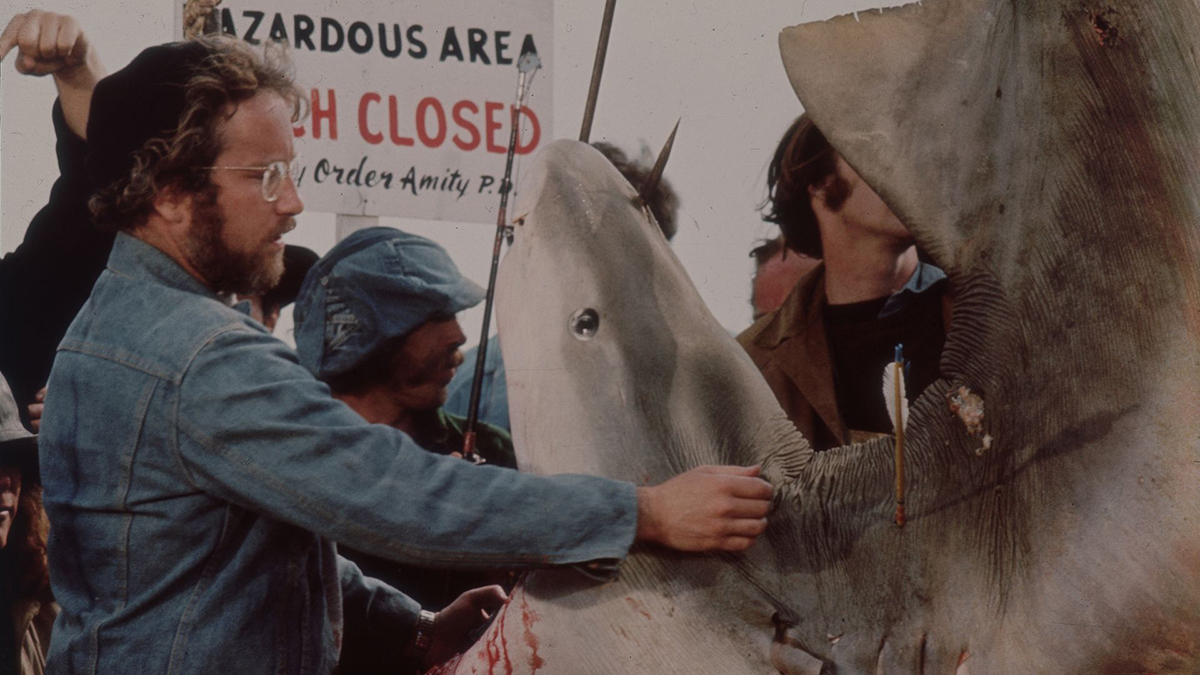
You can also appreciate the depth given to Chief Brody, and I love the notes Scheider brings to the film. Truthfully, Brodyâs tasked with the filmâs toughest labors. He must deal with a bureaucratic and conservative mayor (Murray Hamilton), and a town board that cares about profit over safety. He must deal with his kidsâwho love the water, as do all islandersâtrying not to terrify them and make them scared of the water. And he must deal with his two shipmates, Hooper and Quint, who seem to be at each otherâs throats. Heâs also afraid of the water. This will of course be cured by the filmâs endâit has to. But I missed this before: in the scene where poor Alex Kitner (Jeffrey Voorhees) is attacked and killed, Brody runs towards the surf but stops short of the water. He only later enters when his own son is in danger.Â
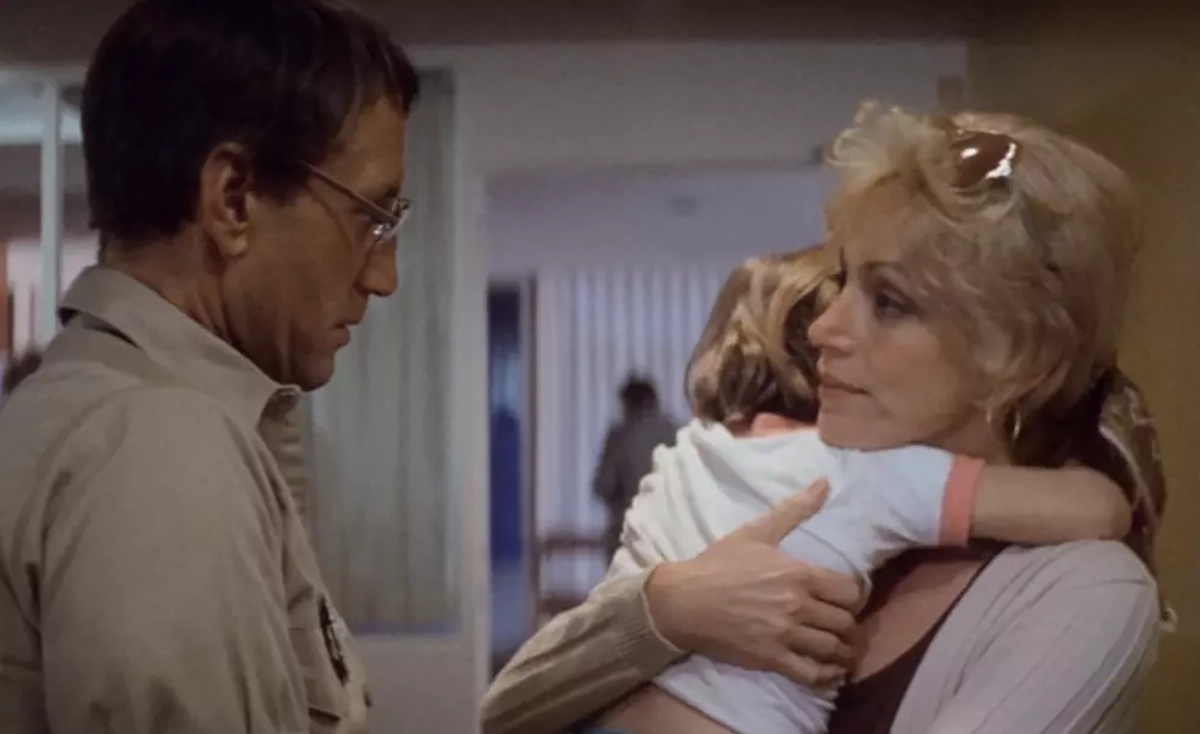
Alongside him, his wife, Ellen (Lorraine Gary) is given more to do than women were historically back then. Sheâs supportive, but is her own person with her own wants and needs. She accepts the reality before her while still wishing for her sane husband to come back to the fold. Still, to this day, one of my favorite lines from the film comes when Hooper visits a drunk Brodyâwho doesnât want to deal with his day anymoreâsaying heâd like to speak to her husband. âSo would I,â she quips in one of the most humorously passive aggressive bits Iâve ever heard. Ellen’s a real character.
Seeing What the ’70s Felt Like
Thereâs so much more you could talk aboutâHooperâs young-ness and the way he clashes with Quint throughout, etc.âbut Iâm trying to express what felt different about seeing âJawsâ on the big screen while offering some personal takeaways. I will say Hooperâs enthusiasm and privilege come through a bit stronger, as well as how perfectly Dreyfuss played him. I always noticed how Hooper wanted Martinâterrified of waterâto go out onto the pulpit when the shark swam by âfor scale,â but never before heard him exclaim how beautiful the shark was, which is clear as day in the theatrical release. Heâs an oceanographer, and Drefuss gives him a knowledge and enthusiasmâdespite his green-ness (heâs never faced danger as Quint and Brody have)âthatâs palpable.Â
Seeing it on the big screen reminded me anew why I fell in love with it in the first place. “
But I think what impressed me most watching âJawsâ on the big screen was how awesome, in the truest sense of the word, if felt. It didnât feel like the familiar movie I knew so well. It felt different. The filmâs irresistible display of the 1970s, I suddenly realized, wasnât extravagant. It was modernity back then, and now serves as a time capsule. The idyllic settings feel idyllic, and the shark rightly makes a population that has never felt collective fear suddenly have much to be afraid of. Quintâs story about the U.S.S Indianapolis mirrors this. He brings Brody and Hooper back to an event that offers horror they can only imagine. The womanâs death in the filmâs opening scene felt harrowing. And, even now, I felt Quintâs death at the filmâs end is one of the most disturbing deaths Iâve ever seen on-screen. I tried to imagine living in the 1970s and seeing these sequences without the knowledge of the slasher films and torture cinema that would soon come. It must have been horrifying and effective. It even caused Peter Benchley, the source materialâs author, musing on whether he’d write the novel again, or the same way, had he done it today.
Remembering Why We Love ‘Jaws’
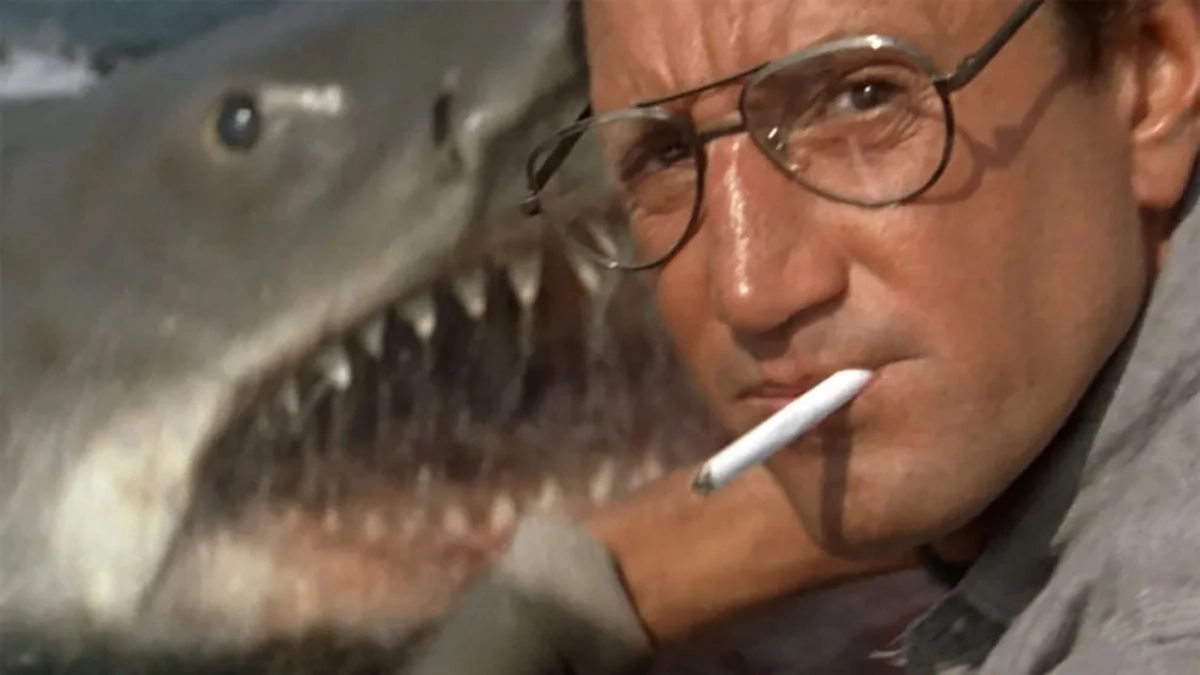
âJawsâ is just a timeless film. It’s a horror/adventure film from a time period before that genre became too much. They would become over-stuffed, over-produced, and filled with plot mechanics that made them feel too much like movies and too little like real life. Thereâs much fallacious in “Jaws” of course (great whites donât ram boats and target people). But the relationships between the filmâs three stars feels authentic. The additional actors all bring much to their roles, and Amity feels like a lived-in place with its own characters and politics. And though Iâve been to its filming location of Marthaâs Vineyard many times, it never takes away from Amity as a place. âJawsâ has long-remained one of my top-3 favorite films. Seeing it on the big screen reminded me anew why I fell in love with it in the first place.Â
Note: I watched “Jaws,” the 50th anniversary release, at Marquee Cinemas in New Hartford, NY. The film plays at select times through September 4th. Look in local listings for where “Jaws” is playing in your area.




