






The passing of David Lynch (1946 – 2025), one of my favorite filmmakers of all time and the most singular and distinctive artistic voice the medium has ever seen, devastated me for many days. I fell ill. I felt very sad. Many people I admire have passed during my lifetime. But this was the first time, aside from Mac Miller (an unexpected death that genuinely broke me into pieces), that I felt utterly lost from the passing of a person I had never met before. Yet, his work had a towering effect on me, where we, through cinema and dreams, felt connected. And many cinephiles feel the same way, lost without the man who guided us through the vortex between dreams and nightmares.Â
Seeing the masters who made me fall in love with the medium go to the great beyond is something that I knew I would face but rejected repeatedly. (I wasnât alive then, but people must have felt the same way when Ingmar Bergman, Akira Kurosawa, Federico Fellini, or even Andrei Tarkovsky, or any other inspirational and influential experimental filmmaker, passed too.) In the past few years, filmmakers like William Friedkin and Jean-Luc Godard passed, and it deeply affected me; the latter even more so after seeing his last two short films that premiered at the 2024 Cannes Film Festival, âScénariosâ and âExposé du film annonce du film âScénarioâ.
I saw Friedkinâs films during the pandemic and was completely electrified. His directorial approach was muscular, efficient, and focused on tactics, much like Kathryn Bigelow or Sam Peckinpah, which I admired plenty from the get-go. Meanwhile, Godardâs work initially irked me due to the abstract way of presenting his narratives. But as time passed and I read more about the man, I saw his pictures in a new light, slowly becoming a huge fan. Nonetheless, the two, later in my life, at a new age, became directors I wanted to study plenty.
Losing them when I started to become enamored with their movies hurt a bit, selfishly, because I wasnât always there to appreciate what they have offered us cinephiles. I didnât write pieces about Godard or Friedkin, outside of the reviews I did for the aforementioned shorts and the newly restored âA Woman is a Woman,” as well as a podcast (that never got released) talking about âTo Live and Die in L.A.” I didnât think I was ready to write an obituary or a piece about how their work affected me, or changed the way I perceived the medium. But I wanted to try something new, as Lynch always did with his films.
To honor the man of dreams, I wanted to try and tell the story of how I came to see my first Lynch film, its effect on me, and how my relationship with his work has developed throughout the years, from high-school to today, where I am a film critic. It is a messy story and an even messier piece. But I wanted to speak from the heart and express what the experiences with David Lynchâs filmography mean to me and my artistic self.
The Beginnings of My Cinematic Journey
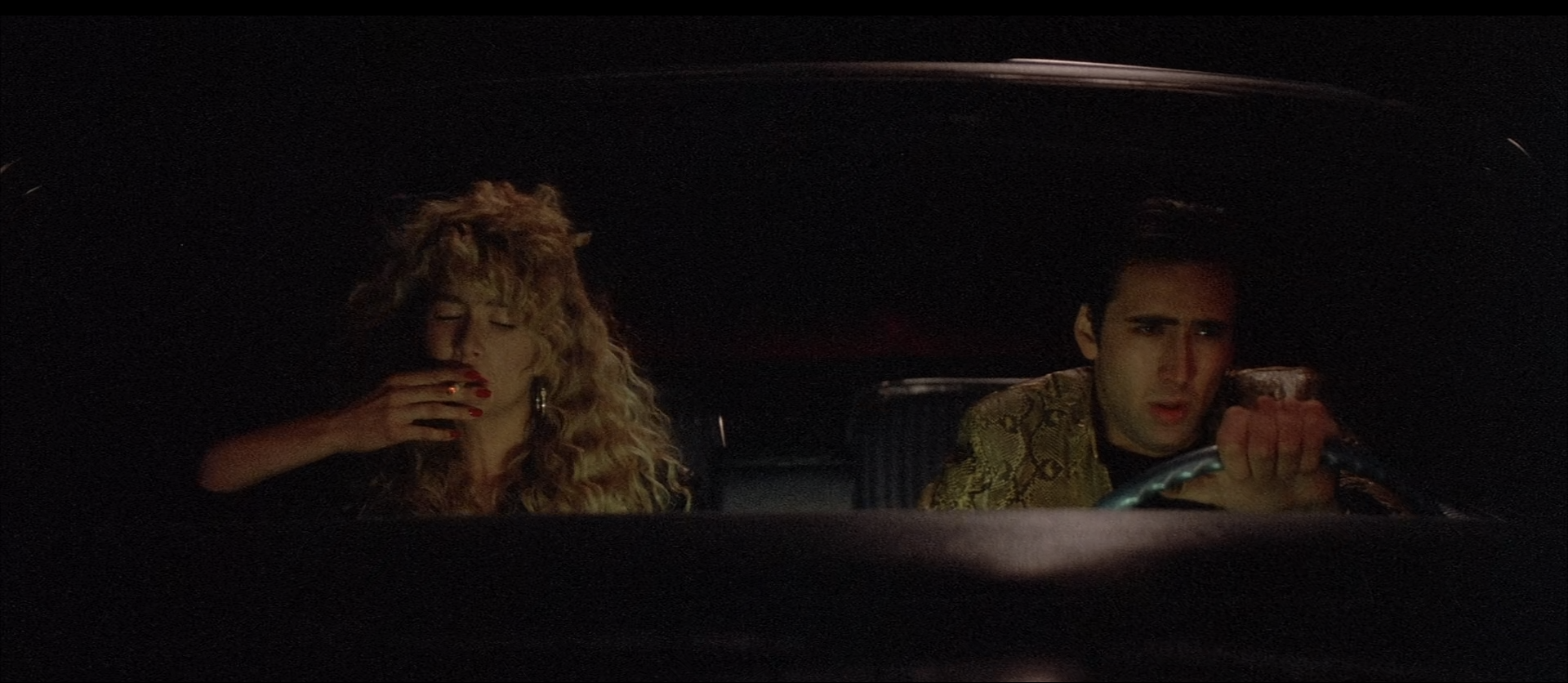
About eleven years ago, I started the cinematic journey that paved the way to what I am today, a film critic, film studier, and âwannabeâ cine-essayist. 2013 and 2014 were my slacker years, when I didnât care much about anything other than music and the weekend plans and parties coming soon. Cinema was not a part of my life, although I frequently visited the theater for an escape now and then, particularly my local cinema, about five minutes from my house. (The luxury of living in Puerto Rico is that everything is particularly close, no matter where you live.)
The films I mainly saw were horror flicksââThe Conjuring,” âEvil Dead,” âIt Followsââand cheap comedies with my stoner friendsââ22 Jump Streetâ,”âNeighbors,” and âLetâs Be Cops.”Who can blame me? At that time, I only saw what my friends and I wanted to see, and our interests werenât that broad and induced by substancesâ haze. (I didnât go to the theater alone like I do today.) Regardless of our theater picks, I loved going to the cinema, even if movies were only a form of entertainment and not something I sat down and analyzed thoroughly as I do now. My friends and I just had a laugh or two and then forgot about everything to make other plans to do high-school slacker stuff.Â
I had seen films that moved me in ways that no other had, like âPanâs Labyrinthâ and âSpirited Away,” which I saw on TV on a weekday late at night. But they drifted away for a while in my mindâuntil I revisited them with new eyes and ears years later. When youâre young, your interests and likes come and go quickly; they may return, yet they take a new perspective and are viewed from a nostalgic point-of-view, much like what happened to me with professional wrestling. I grew up with it, fell out of love, and now I recaptured that love again. These movies I saw in 2013 and 2014 were just that⦠movies that I saw in high-school as part of boredom, on a date, or just to waste time.Â
2014 and My Introduction to Quentin Tarantino
It wasnât until 2014 that I began venturing into different territories cinematically. I was still a slacker, yes. However, the films I saw I thought of plenty and recommended them to my friends, begging them to see these films. It was mid-day in January of 2015, a few days before returning to school from Christmas break when I was scrolling through the TV after playing many hours on my Xbox. I couldnât find something specific that fascinated me. So, I landed on a film called âPulp Fiction,” directed by a guy called Quentin Tarantino. I have heard of the name before from my godparents, who once talked about him in a pretty mixed way due to the violence in his films and the excessive cursing in his pictures.Â
From that description, it was my type of picture. And I was immediately hooked, right from the âGet into Characterâ scene, where John Travoltaâs Vincent Vega and Samuel L. Jacksonâs Jules Winnfield are going to intimidate some young guys who owe them money, to the story of the watch, where I was howling from laughter. âPulp Fictionâ was a new type of filmic experience for me. Although cradled with violence, as I saw plenty in many action and crime flicks that my father had in his small yet substantial DVD collection, the style it contained, as well as its non-linear narrative structure, was very dynamic, unlike most of the films I tended to watch at the cinema. It certainly was better than the Jason Statham pictures I binged (âTransporter,” âSafe,” and âCrankâ).Â
It is even more entertaining due to the detailing in the dialogue. I am not as fond as I was back then of Tarantinoâs way of writing, as I believe most of his characters speak in the same tone and manner (in a way, talking just like Tarantino himself), ripping them away from any individuality and personality. But back then, I was very engaged with it, to the point where I even bought the DVD, the first physical media I purchased with my own money. I ran to call my friends to seek out âPulp Fictionâ like an annoying âfilm bro.” None of them cared to watch any of them. But at least they listened to me when I rambled incoherently about the film and others I watched after, like âGoodfellas,” âMenace II Society,” âClockers,” and âDazed and Confused.”
My First Telepathic Meeting with David Lynch
I consistently quoted lines from these movies and replayed scenes from them in my head. These were my first kinds of cinematic euphoria. All I wanted to do was sit back and watch movies. My obsession with my new cinema findings was so big that I used to watch films during class. Instead of taking notes from my teacherâs presentations and lectures, I watched films for nearly all school hours. I watched âReservoir Dogsâ in English and Spanish and âThe Untouchablesâ in History and Science. I could have paid more attention at school and studied more often instead of bottling everything two days before the exam. But if it werenât for these movies I saw during class, I wouldnât have been a cinephile. (And I did great in college, graduating from Chemical Engineering. So, I guess everything went fine.)Â
Quentin Tarantino, Brian de Palma, and Guillermo del Toro were the directors who moved me out from that cheap comedy phase to auteur cinema. However, two specific directors made me see cinema as metaphorical, poetic, and complete art: the two Davids, David Cronenberg and David Lynch. By this point, I had already seen âThe Flyâ as a kid. My mom is a big horror fan and showed me all of the classics a bit earlier than other mothers would show their children (and I thank her a lot for that). Although I hadnât seen the rest of his filmography, Cronenberg took me a while to adjust. I wasnât âgettingâ the ideas he planted in his features, which were quite droll and pushed my boundaries until later in 2017-2018, when I got it and fell in love with his work entirely.Â
With David Lynch, it was different, way, way different. I was going down a rabbit hole while searching for horror flicks to watch and randomly landed on âEraserhead,” his debut feature. The poster caught my attention. A man with a pale face and hair raised to the highest point imaginable looks onto the horizon with desolation and shock. What induced this reaction? What is he looking at? These questions immediately popped into my head, motivating me to hit play. So, on a late night in the summer of 2015, I watched âEraserhead.” And⦠I was perplexed, uneasy, baffled, left near speechless, and without a coherent thought. This was something that I had never experienced with cinema before, not with Tarantino, Spike Lee, Martin Scorsese, or Brian de Palma.Â
The Draining and Refilling of an Essence
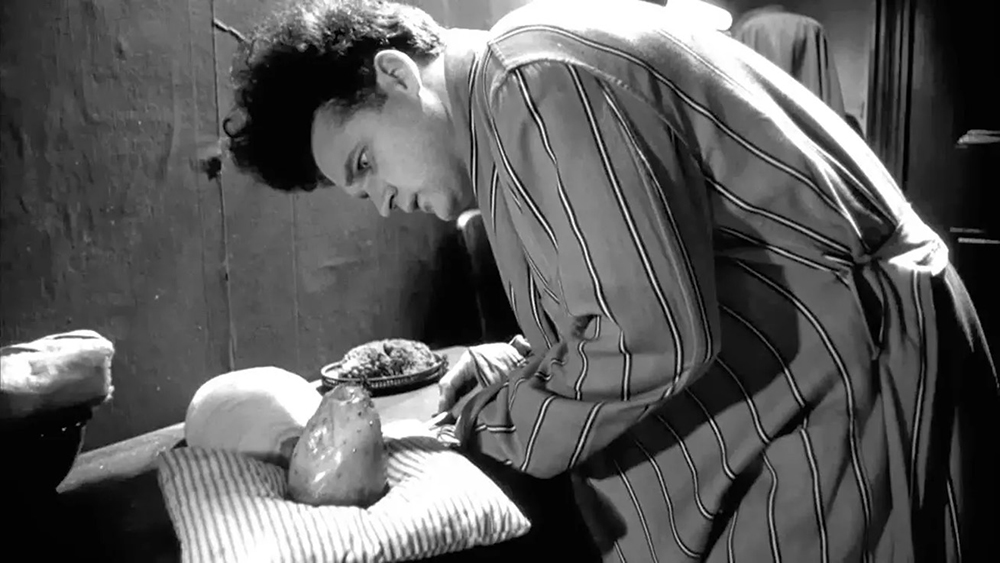
They had left me with my mouth open, sure. But never in complete disarray in all senses. I felt torn apart psychologically from inside and out, as if these nightmarish images of surrealistic decay forcibly crawled into my mind and made a mess for fun, leaving me a shell of what I once was and creating a new being in the process (much like the trajectory of a lot of Lynchâs characters). Cinematically, thatâs what happened. After this, everything changed. âEraserheadâ had me thinking, analyzing, and questioning its metaphors, imagery, and themes plenty for days, weeks, and even months. It didnât leave my head, and to this day, it still hasnât. The film, like the rest of Lynchâs filmography, is engraved in my head, there to stay until eternity.Â
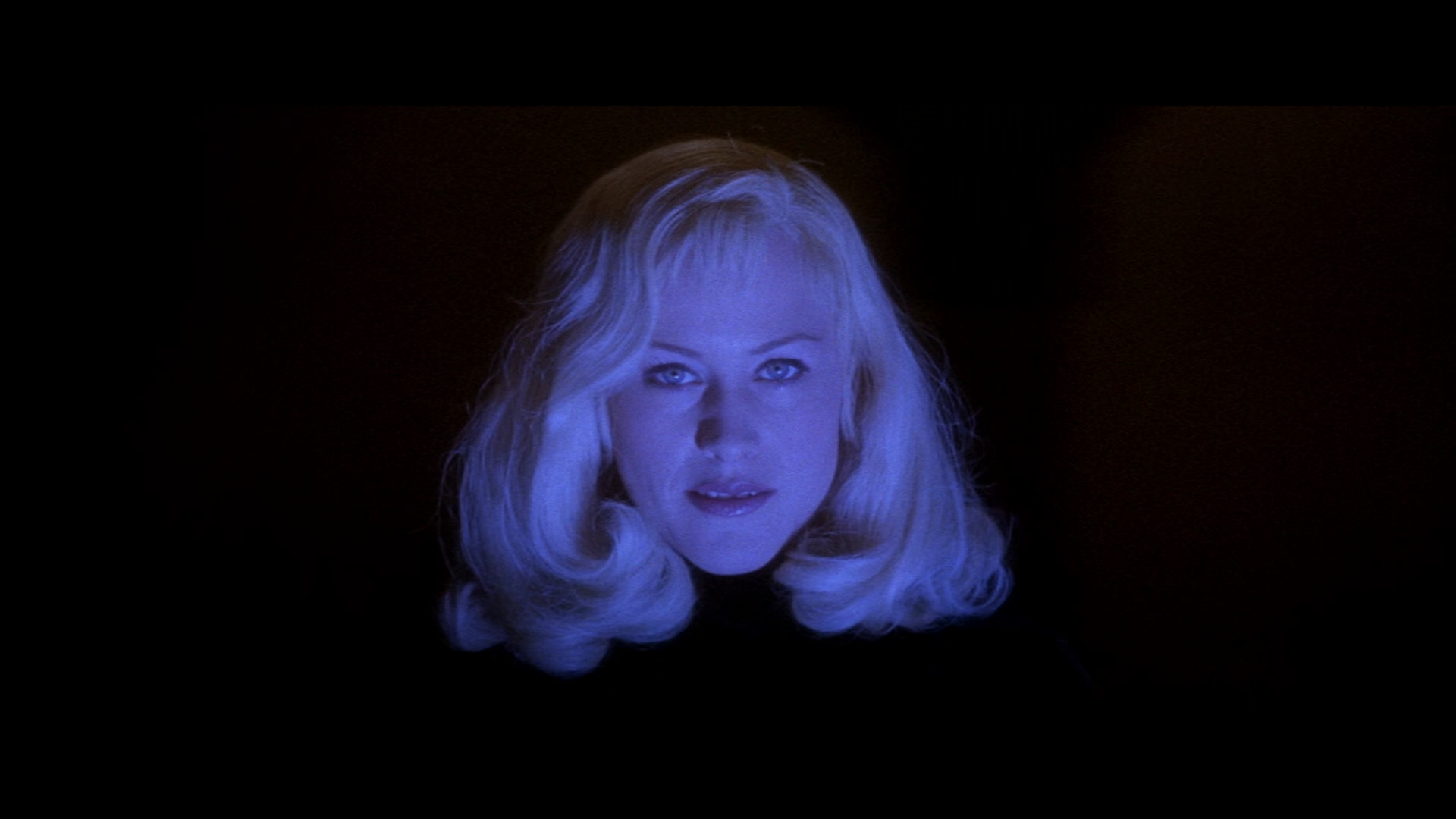
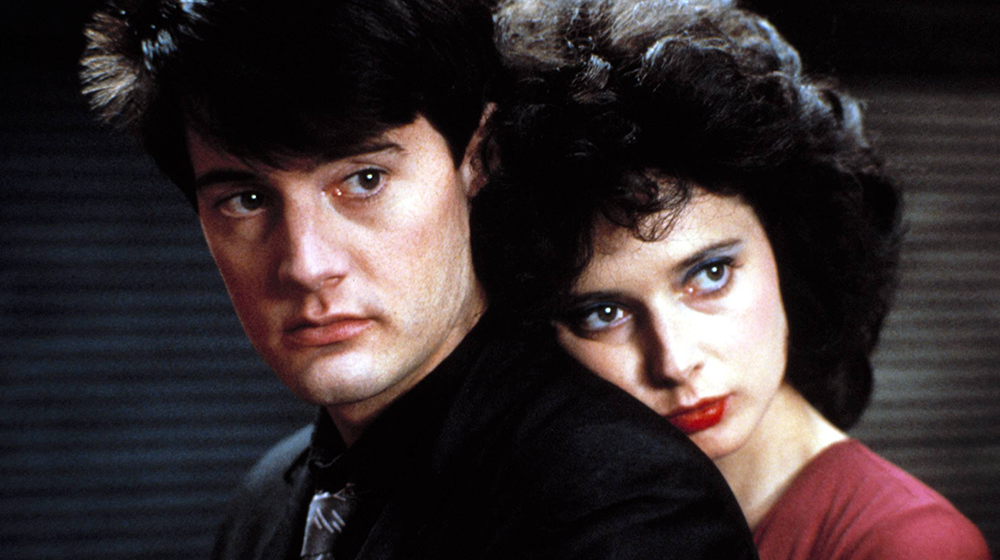
The process repeated each time I sat down and watched a new picture of his, draining and refilling my essence and ways of interpreting art, cinema, and later, even life, death, dreams, nightmares, and love. Everything came crashing down for about a few hours, and one would emerge anew right after. Only a director with such a key understanding of human connection and bravery to dwell in the mind’s abyss could do that. That was David Lynch, a man of dreams, a voyager of the shadows, and the most singular and distinctive director ever to live. After âEraserhead,: I headed to his most recognized feature, âBlue Velvet,” that same month. The experience wasnât as tantalizing as the 1977 feature, yet it once again left me searching for words and a breath.Â
Watching Dennis Hopperâs fuming, hostile Frank Booth huffing and puffing that gas cursed me for days. The bright light that glowed around Laura Dernâs Sandy Williams made me feel hopeful about the darkest situations. And Isabella Roselininâs Dorothy Vallens had me glaring with open eyes to the screen, in love and in fear of her characterâs downward spiral. The picket fences that some of my neighborhoodâs houses had never looked the same. With two features now watched of him, David Lynch made me both life and art differently. He made me stay alert from the shadows and seek the light that saved our heartsâappreciate the now while embracing the past.Â
Bergman and Tarkovsky, and Lynch, Altogether
Filmic-wise, he made me venture to different territories, explore Bergman, Tarkovsky, Antonioni, and Akerman, and look out for more defined auteurs who basked on the complexities of life through distinct, personal lenses. And these explorers did make an impact on me. I remember the time I first saw âPersona,” âLa Notte,” âLa Dolce Vitta,” and âSolaris.” However, even if these films left a significant impact on me, none of them were to the magnitude of what David Lynch did to meâthe electric shock and haunting possession that occurred during and after a film ended. It is a feeling hard to describe or put into words, yet those who have gone through it know precisely what I mean.Â
With Tarkovsky and Bergman, there are similar experiences. The former was more hypnotic and transient, while the latter showered you with grim, stark truths that you either embraced or let the sword of his direction puncture deeper. Tarkovsky placed you into a strange state of hypnosis, where his images transport you to an alien time and place and produce hymns that lull you into the vortex of what lies beyond our minds. Bergman, on the other hand, puts you face to face with your biggest fearsâdeath, love, time, loneliness, those feelings that make your senses tingle because of the existentialist crisisâby immersing the audience in his films as if you are trapped in those scenarios yourself, not able to escape until you face your vulnerability, dwell into the intermediary of life and death and dares us to confront the passing of time.Â
Meanwhile, David Lynch, in his unique way, did both and more. Not only does he transport us to new worlds, tethered in limbo between dreams and nightmares (stark reality and hopeful fantasies), but he also guides the viewer through his mind, body, and soul, where questions are raised, little or any of them unanswered, and, in its climax, makes us walk through a house or mirror, all distorted and fragmentary, yet showing us the many angles and details that shape us whole. Right at the end, thereâs a regular mirror. But the image that you see is not the same as before. Thereâs something different.Â
‘Fix Your Hearts or Die’
A detail in the eye of the mind has shifted. Those are the stamps of Lynchâs work that are etched in there, making you recall, ponder, and even replay scenes repeatedly. As the characters in his films do, you traverse these dark worlds in search of answers, escape, and hope, much like we do in our realities. Yet, without that underlying feeling of living within a dream within a dream. David Lynch is a director who has taught us how to embrace these dreams and learn how to be our best creative selves within the darkness of life. Reality is now a spectral, translucent thing that runs by quickly.Â
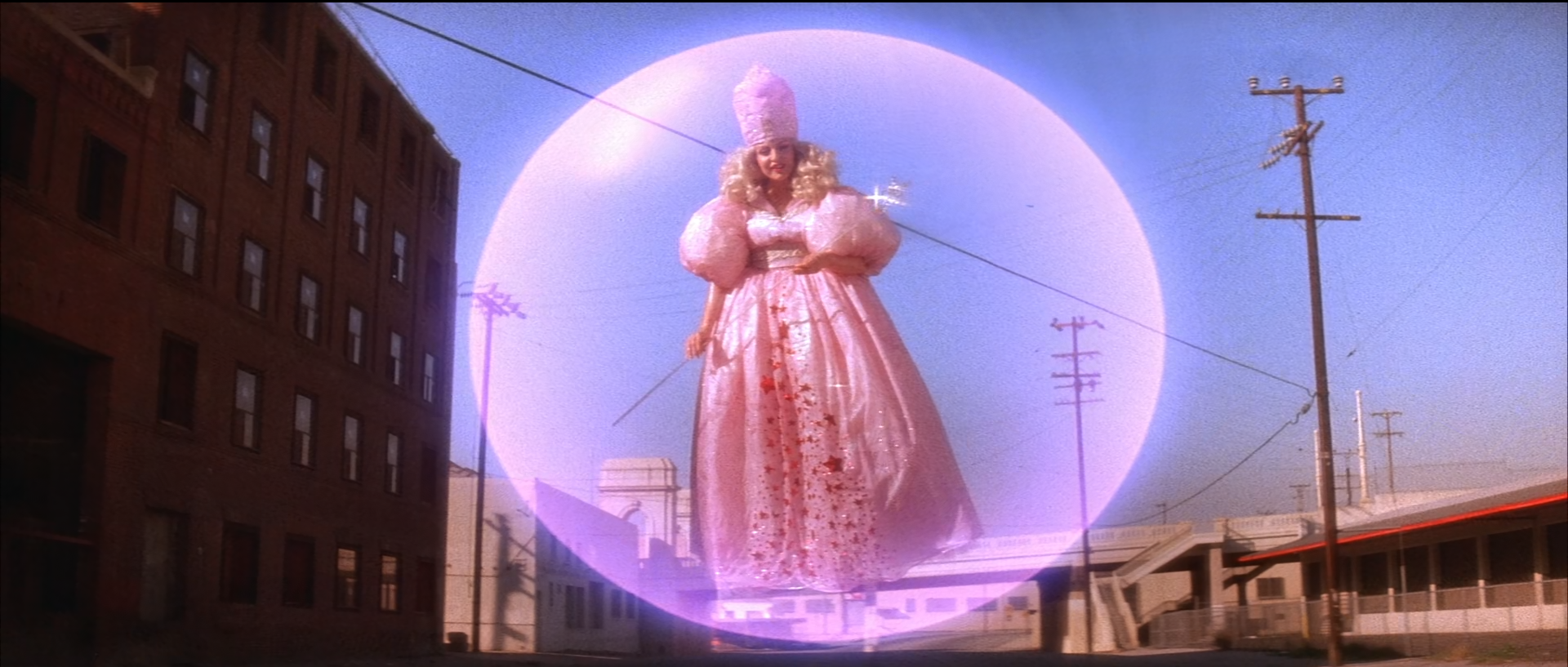
You learn to appreciate it more because of those hard-hitting confrontations of malevolence and the glimmer of hope and longing in the backend, as seen in the finale of âWild at Heartâ (âDonât turn back on love, Sailor,” still resounds in my head from time to time), Major Garland Briggs from âTwin Peaksâ describing a vision he had to his son at the diner, or even Lynchâs quotes about life and art. (âFix your hearts or dieâ is another excellent line Lynchâs Gordon Cole shouts in âTwin Peaks: The Return”). David Lynch has used the element of doppelgängers in his features before. But the feeling that comes right after finishing one of his works feels like a new body is born and created, headed towards the light within the darknessâthe void of life in its cruelness has some crevices with joy and splendor. We need to seek them out.Â
These are just rambles. It is hard to describe what goes through your head before, during, and after a David Lynch film. Everybody has different experiences with his work, both positive and negative. You can ask one hundred people how they feel about David Lynch and his filmography; every single one will give you a different answer. Yes, all are interlaced with that feeling of being wanderers through the mind of a weird, captivating artist. However, each experienceâs description is told and perceived differently. I have watched all his features and series, including âRabbits.” And, now that he is gone, these projects have a new meaning. Thereâs an emptiness in my heart that cannot be filled; the weight of his passing is felt not only in everybodyâs hearts but the light that emerges from the sprocket once a film is played at the cinema.




