I havenât read Colleen Hooverâs book âIt Ends with Us,” which is the basis for the new film of the same name (directed by Justin Baldoni with a screenplay adaptation by Christy Hall). However, I hope it dealt with domestic violence in a more frank and honest way than the movie. One out of four women are currently experiencing domestic violence or have experienced domestic violence in the past. Women involved in violent relationships not only go through hell while in the relationship, but in many cases go through even worse hell trying to leave it, where theyâre stalked, attacked, and often find it nearly impossible to disentangle themselves from their abusive partner. Some women continue to be victimized psychologically for years after leaving the relationship, suffering PTSD and other after-effects.
âIt Ends with Usâ could have shone a light on this, delivering a powerful message on the horror of domestic violence and the extreme hardship involved in leaving an abusive partner and the strength of the women who escape it. Instead, the film is so fluffy and innocuous that it makes a Hallmark Channel film look like âTaxi Driverâ by comparison.
Downplaying the Novel’s Seriousness in Lieu of Romance
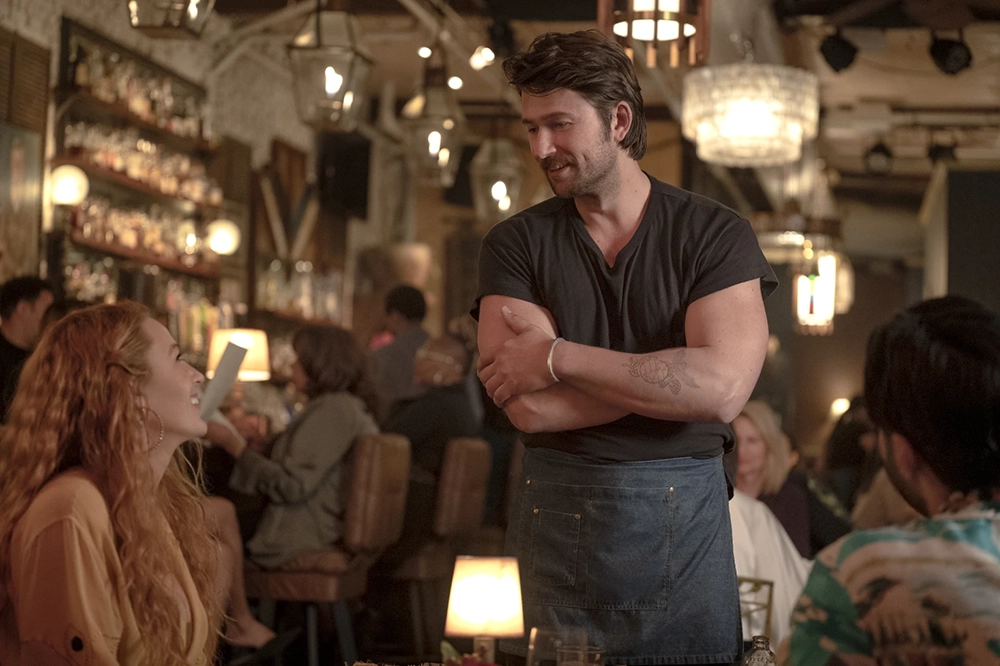
Lily Bloom (played by Blake Lively), having moved from Maine to Boston, works on fulfilling her dream of opening a floral shop. When her father (who physically abused her mother) dies, she wrestles with her resentment and hatred towards him, causing her to have a chance encounter with Ryle Kincaid (Justin Baldoni), a handsome neurosurgeon with a dark past. As the two grow closer, Lily runs into old flame Atlas Corrigan (Brandon Sklenar), who she hasnât seen in years and once thought was the love of her life. When Lilyâs relationship with Ryle degenerates into domestic violence (with hot-tempered Ryle continuing to âaccidentallyâ hurt her), will Atlas be able to convince her to leave him?
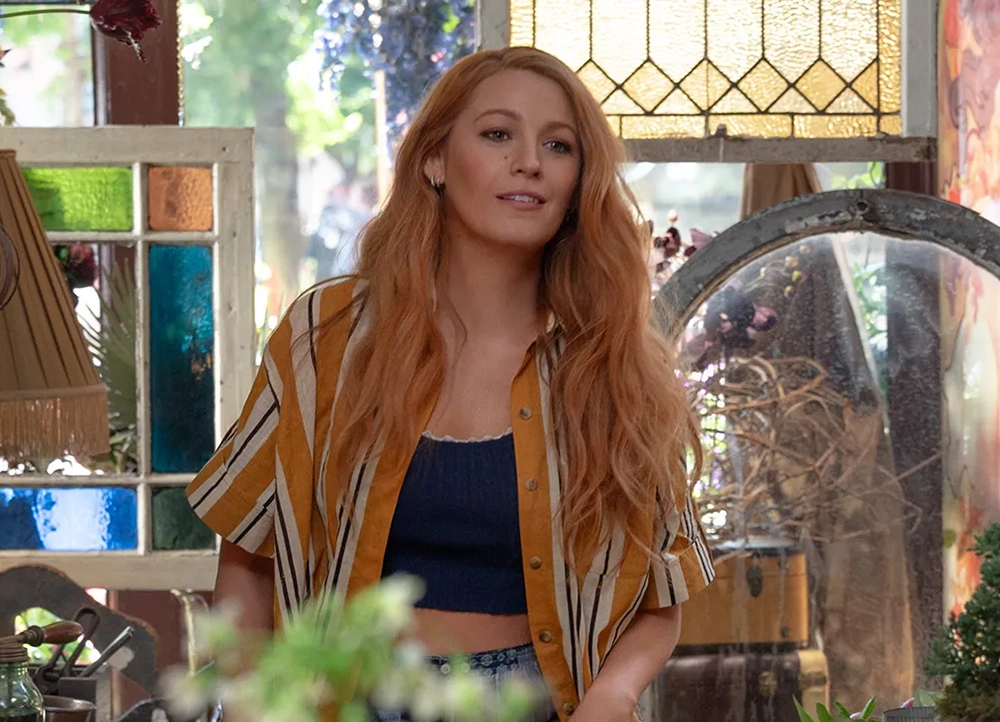
This film screams âvanity project.” Blake Lively (whoâs undeniably beautiful) is always tossing back her hair, the camera putting her in close-up so frequently you start to forget where sheâs currently located in any given scene as her features fill most of the screen. Rudolph Valentino didnât get this many close-ups. Â
Justin Baldoni and Brandon Sklenarâher two male co-starsâare equally handsome and perfect. At one point in the film, Lily flashes back to when she was younger and first met Atlas, who at the time is homeless. And guess what? Even the actor playing young Atlas (Alex Neustaedter) is perfect looking. Despite the fact heâs homeless, his hair is perfectly quaffed and thereâs not a blemish or spot of dirt on him. It’s like Justin Baldoniâwho both starred in and directed the filmâwas terrified of anyone looking the slightest bit imperfect or acting too insane. Every character and every personality is muted to the point of being flatline (whether the fault is Baldoni’s, or onset drama that may have wrested creative control from him, remains to be seen).
Sidestepping Domestic Violence Themes
Even the great Jenny Slate, who I adore and I think is one of the most entertaining actresses working these days, is reined in to the point where she delivers her lines in monotone, stripping any zinger she says of any humor whatsoever. How I longed for her to suddenly transform into Mona-Lisa Saperstein, the hilariously loud and bonkers character she played on âParks and Recâ and start hurling insults at everyone, calling everyone âbroâ then diving into a breakdancing routine in the middle of Lily Bloomâs floral shop. Oh Jenny, you deserve better than this!
Thereâs one scene at the movieâs climax thatâs a bit harrowing, and itâs the only part of the film thatâs halfway committed to showing the helplessness a person feels when overpowered by their abuser and the ugliness of the violence. Itâs definitely the most gripping part of the film.
Unsure of who ‘It Ends with Us’ Was Made For
Iâm puzzled by who this movie is supposed to appeal to. Itâs too vapid to appeal to older adults and too dark to appeal to younger adults looking for a breezy romantic film. At the showing of the film I attended, before the movie started a whole row of girlfriends (looking to be in their early 20s) sat behind me giggling, talking over each other excitedly and sounding ready to enjoy an epic romance film. As it concluded, none of them made a peep as they shuffled quietly out without a syllable uttered between them. Were they shocked by it or just bored into silence? Had one or more of them experienced domestic violence themselves and were offended by the too-gentle touch the movie applied to the subject? Only their future social media posts hold the answers, and I guarantee theyâll be more thought-provoking and interesting than this film.

“It Ends with Us” is currently only available to watch in theaters.Â