





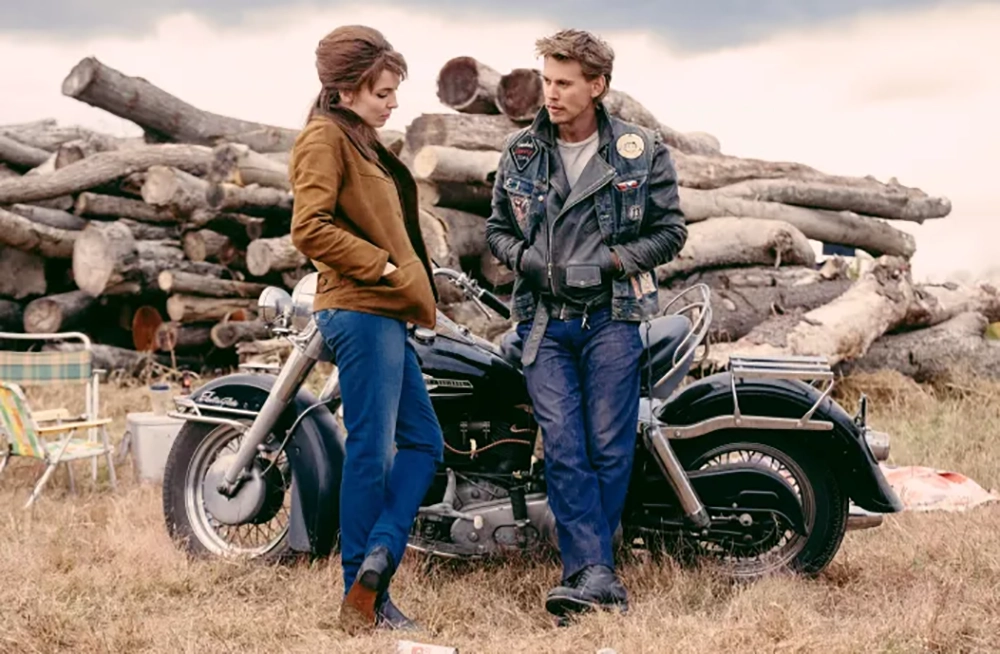
In 1969, one of the most influential American films of all time was released: âEasy Rider,â by Dennis Hopper. It hit cinemas at a time of great importance when the world and Hollywood were amidst significant change and chaos. The film let everyone know that directors could make personal projects that cost little to nothing and earn money. (âEasy Riderâ cost four hundred thousand dollars and made over sixty million.) This erased the stigma that only a specific type of picture could be made and earned plenty of money for studios, both at the top and on the rise. Traditional moviemaking was still in. But the avant-garde and experimental styles were slowly coming out of the shadows.
Jeff Nichols and ‘Easy Rider’
New directors were born from the flame that Hopper and his film managed to create. Since then, âEasy Riderâ remains a staple in American cinema. Its magic touch travels through generations. Flash forward to today, filmmakers like Jeff Nichols got that influence with a second (or third) hand, yet still, the spirit of âEasy Riderâ lay highly above his head and filmography. Nichols, often affiliated with âfolk cinemaâ or art of Americana, has an interesting directorial eye that lands between independent and industrial. Yet, when he is at the best of his abilities, his work contains a certain cinematic prose that contains Nicholsâ work in a distinguishable place.Â
Nichols uses his backdrops as the guidelines for his filmsâ atmospheric feeling, whether it be one filled with dread (âTake Shelterâ) or devotion (âLovingâ). These narrative and storytelling choices tie the American filmmaker to the influence of âEasy Riderâ. In his latest work, âThe Bikeriders,” he has decided to take the influence on a more literal level, ditching the figurative guidance by opting for a more traditional way of filmmaking that is too neatly put together for its good. This glossier look and focus on the theatrics rather than the intricate character development strips âThe Bikeridersâ from what made his work so compelling in the first place.Â
Inspired by Danny Lyon’s photography book of the same name, âThe Bikeridersâ tells its tale, albeit shorthanded, about doomed romance and brotherhood by blood and bones, majorly through flashbacks and voiceovers. This decision will rub many viewers off immediately. This is all a retelling of memories and moments that left a mark on Kathyâs (Jodie Comer) life as she is being interviewed by Danny Lyon (Mike Faist) about her experiences with the Vandals, a Chicago biker gang from the 60s. Lyon is particularly interested in her relationship with one of the gangâs heads, Benny (Austin Butler), with whom she had an inseparable kinship amidst the constant threat of his lifestyle.
The Vandals’ Lack of Characterization
Their story begins in 1965 when a meeting with a friend ends as an experience Kathy will never forget. This is the day she first met Benny. Upon a glance, destiny pulls them together. Butler oozes confidence and a macho aura, while Comer shines a light on his inner darkness. Kathy doesnât know if leaving his boyfriend from back home for the young rebel is right. But the magnetism between the two causes an indivisible reaction. Kathy described Benny as silent but deadly. Nichols assigns the marquee trope tied to men who undergo dangerous lifestyles.Â
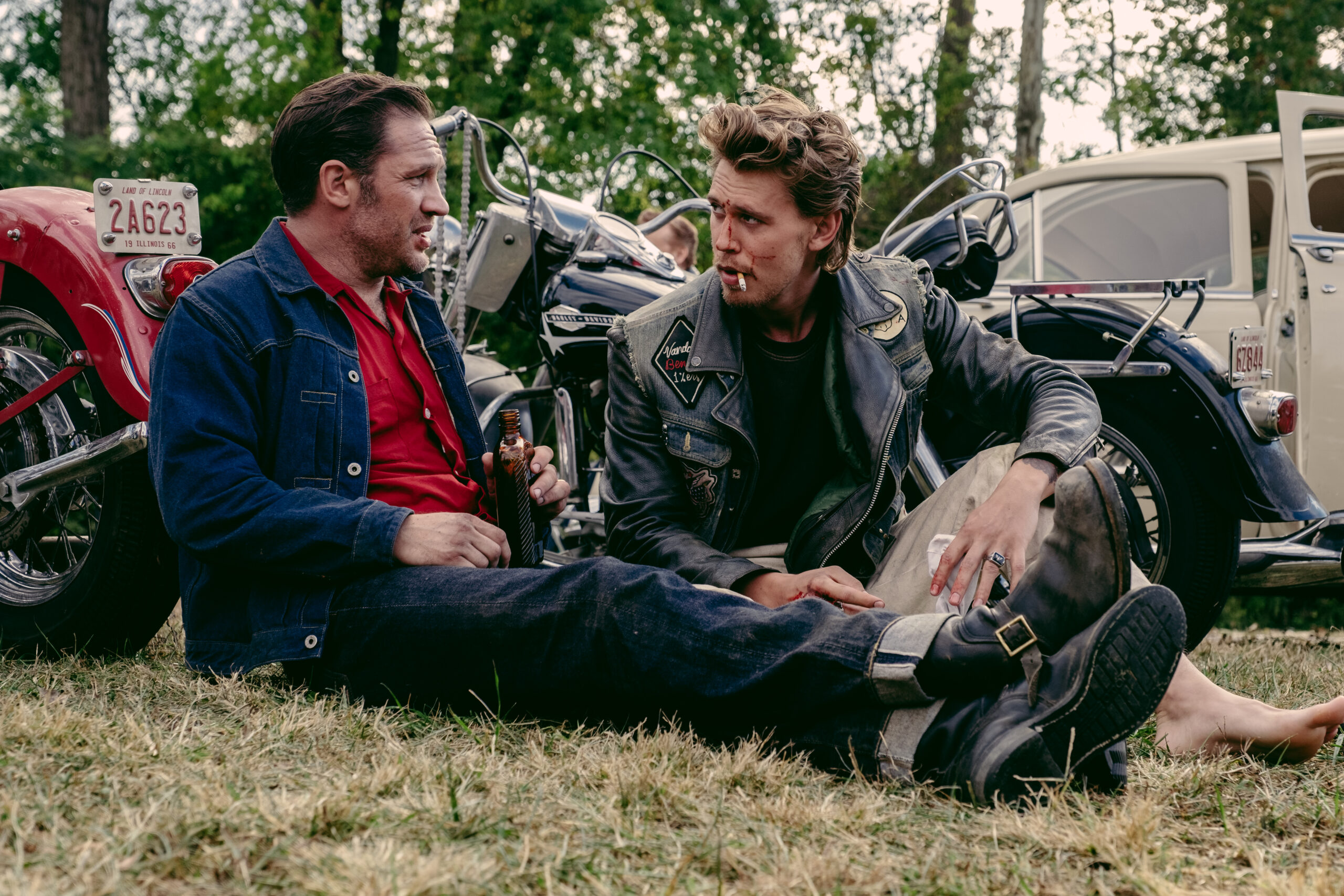
It is needless to say, Austin Butler is dashing. The âElvisâ actor looks like a model for a perfume ad in each frame. He channels his inner James Dean or River Phoenix. But Benny is a wild man who canât control himself in the worst situations. Somehow, you understand him, as this gang is his family, the only thing he cared for until Kathy crossed his way. This crew of wanderersâmen lost in the worldâjoined together as a last resort, resulting in a brotherhood. Unfortunately, apart from a few descriptions in the narration, we never get to know these souls one bit. âThe Bikeridersâ does not explore the freedom and male ego associated with motorcycle gangs.Â
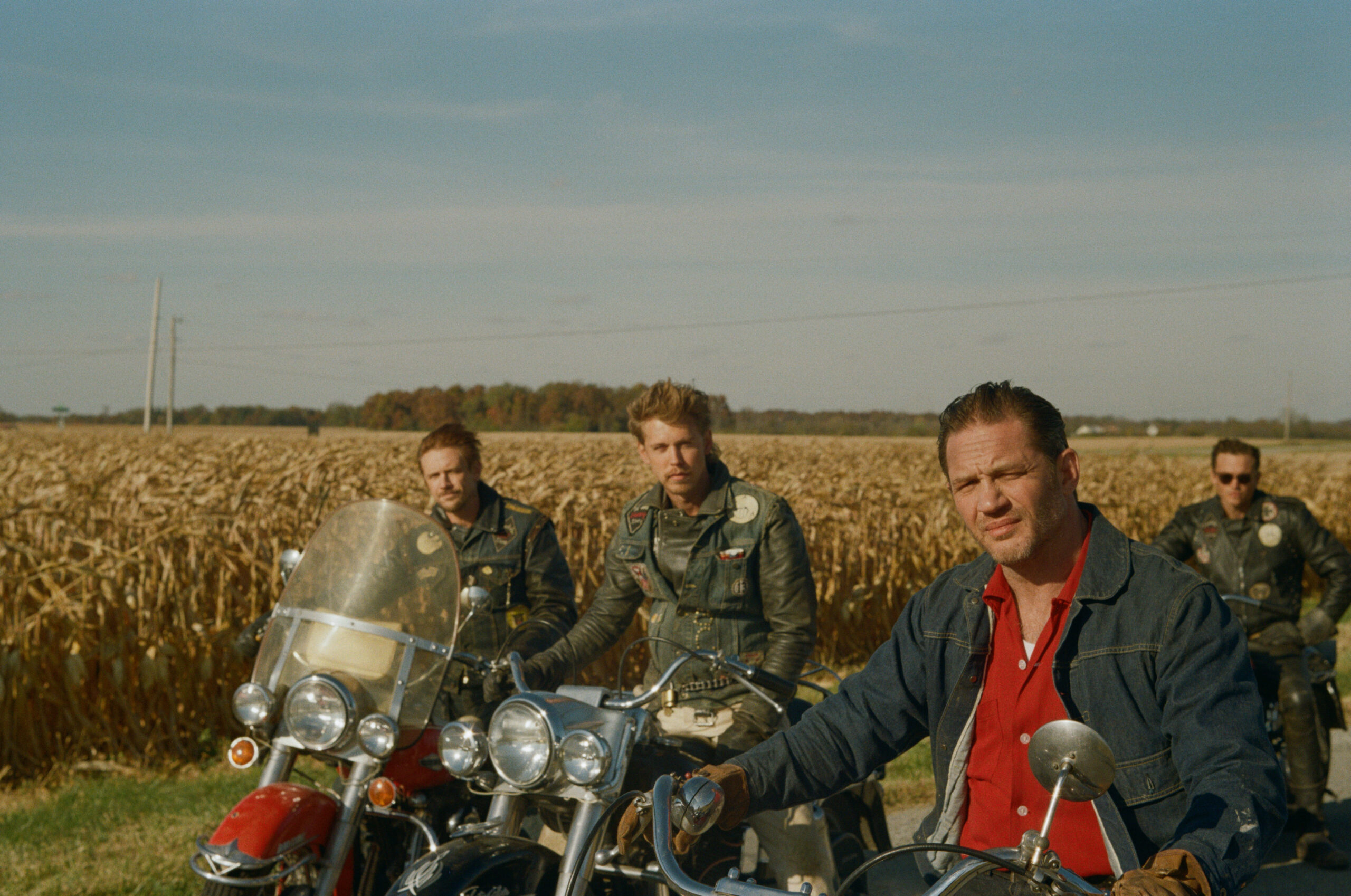
The traits of hypermasculinity, violence, and nonconformism are put to the side, alongside the characters that contain these, which already makes the filmâs title entirely redundant since most of the âbike ridersâ are unimportant in this narrative. They are placed onto the scenery to fit the photography book background. You get these captivating framesâcaptured by cinematographer Adam Stone (âTake Shelter,” âComplianceâ)âpaired with detailed costumes and looks without much diction or expression. They are superficial, left unexplored, and part of the elegance rather than complex people whom we would like to analyze. We came up with our conclusions about why they joined and how this period affected their lives.Â
A “Tell, Not Show” Storytelling Approach
The main focus, and easily the most fascinating part of âThe Bikeriders,â is Kathy and Bennyâs relationship, which grows and deteriorates as the life of crime and shifts in the world gets ahead of him. The two reflect on his life outside the gang and whether he should follow the current leaderâs footsteps. Their relationship is intimate and passionate, as told by the overbearing narration. However, Nichols doesnât take the time to demonstrate this devotion on-screen. There is no other scene besides the âlove at first sightâ moment in the bar that contains this passion. Having the film center around a relationship that the director leaves incomplete and lacking connection is yet another deteriorating factor.Â
This crucial issue leaves the story colder than it needs to be. Nichols approaches a âtell, not showâ technique to develop the story within the confines of Lyon’s interview Lyon. But even then, the screenplay is just too manufactured and without vigor, which makes the narration feel like a droll. If it werenât for Comerâs soothing voice (and nailing the Chicago accent), this storytelling technique would have been grating. This is the gateway for the rest of the filmâs problems. The lack of cohesion in the narrative vision to scope out what the themes entail anchors this problem. There are many details, events, or incidents that we have to take Kathyâs word for them.
Some of these scenes are not consequential. Others do feel necessary to keep the film more lenient on its meticulous thematic explorations. Jeff Nichols doesn’t take the effect of the Vietnam War on the new aimless youth searching for individual freedom. But the aesthetic of “Easy Rider”. He taps into the feeling and look of the bikers without engaging with what they represent. Peter Fonda and Dennis Hopperâs characters go through a cross-country journey into the underbelly of a broken America. They experience the different perspectives of life and freedom during this period. Meanwhile, Nicholsâ âThe Bikeridersâ is a postage stamp of a lost time in U.S. history without the glue that holds the emblem of that period onto the canvas.Â

“The Bikeriders” hit theaters worldwide theaters on June 21, 2024.




