





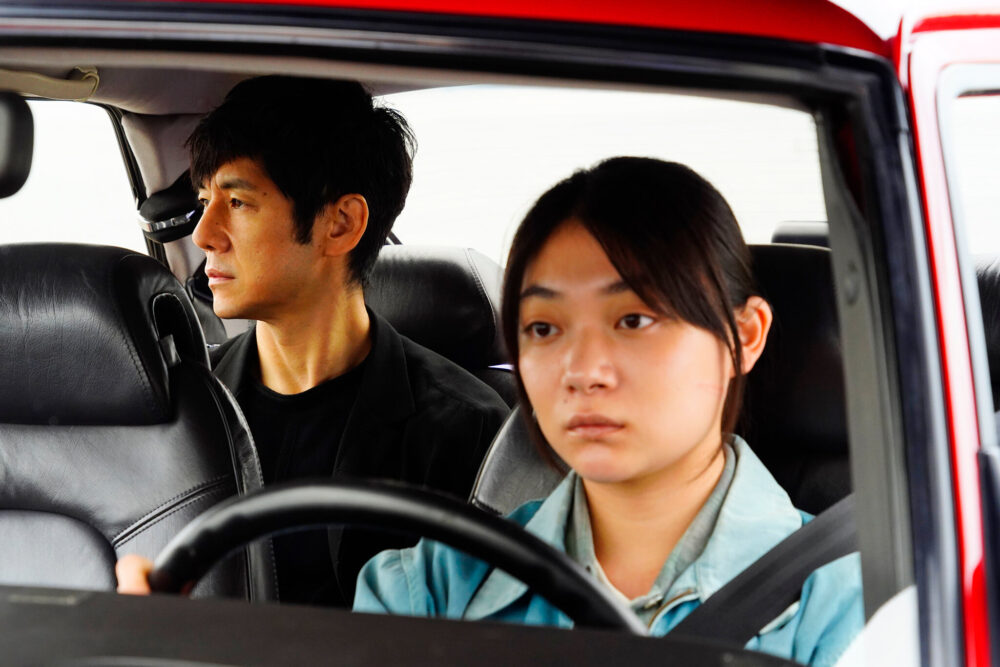
It doesnât take until about 40 minutes into the film before âDrive My Carâ shows its opening credits. The unconventional structure means that the seemingly first act that unfolded was in reality a lengthy cold open. By then, audiences have already invested in the protagonistâs journey as he grapples with his unspoken grief and loss.Â
It would take another two hours of this heartbreaking examination of love, bitterness, and forgiveness before the end credits roll; after which the viewers begin to realize how Ryusuke Hamaguchiâs masterful film is one of the best movies of 2021.
A Story Adapted from One of the Worldâs Greatest Living Writers
Written by Hamaguchi and Takamasa Oe, “Drive My Car” is largely based on Haruki Murakamiâs short story of the same name; which, in turn, is part of Murakamiâs short story collection “Men Without Women.” Hamaguchi and Oe then wrote the screenplay for the film, while also taking inspiration from two other stories from that collection: “Scheherazade” and “Kino.”Â
The end result is a fuller story with richer characterizations and more emotional heft; so much so that, had Hamaguchiâs direction not been at par with the screenplay, the whole enterprise would have been one disappointing affair.Â
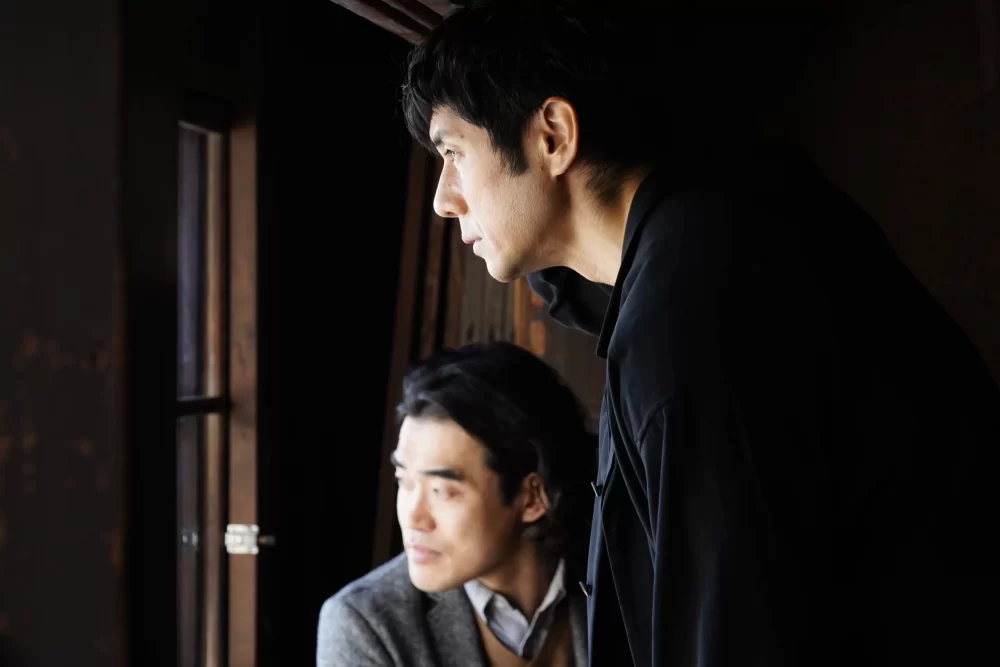
âDrive My Carâ follows Yusuke Kafuku (Hidetoshi Nishijima in a career-defining role), a theater actor married to film screenwriter Oto (Reika Kirishima). They trade notes and pointers on how to improve each otherâs work: Kafuku would help Oto with the stories she comes up with post-coitus; and Oto would read the lines opposite Kafuku’s character in the Anton Chekhov production “Uncle Vanya” and record them on a cassette tape. Kafuku would then play the tape in his car as part of his rehearsals every day.
On paper, it seems the couple enjoy a happy marriage, as their successful careers and active (if unconventional) sex life would suggest. However, as the first act mentioned above unfolds, we witness a marriage fraught with secrets, fears, and lies. And without spoiling anything, suffice to say that at this point, Kafuku has decided to busy himself at work to make no room for emotional breakdowns.Â
‘Drive My Car:’ A Closer Look into Oneâs Repressed EmotionalityÂ
The second act gives us a glimpse of Kafuku two years later, now on his way to a two-month residency with a theater program in Hiroshima, where he would direct a multilingual adaptation of Uncle Vanya. Upon arriving there, Kafuku meets Misaki Watari (Toko Miura), a 23-year-old driver designated by the theater company to drive him around town. While Kafuku declines, insisting that only he can drive his car because only he knows its glitches; Watari impresses him with her ability to drive smoothly, as well as for her familiarity with the town.
Now the director of the play, Kafuku turns to casting the roles from all across Asia; from Japan and Taiwan, to South Korea and the Philippines. For Kafuku, this is important because, due to the multilingual approach, the characters must effectively echo the emotional turmoil of Chekhov’s characters as they reveal their trauma and deeply complicated feelings. After all, itâs hard when a character speaks in Japanese, only to listen to a response in Tagalogâfollowed by a rebuttal in Korean Sign Language.Â
When the characters voice their frustration over their inability to connect due to the language barrier, Kafuku would simply respond over and over, âTry focusing on the textâall you need to do is read it.â As he dismisses othersâ concerns, more importantly, Kafuku has been dismissing his own. And this is where âDrive My Carâ begins to study its protagonist more closely.Â
Compartmentalized Grief as Unexpressed Love (with Nowhere Else to Go)
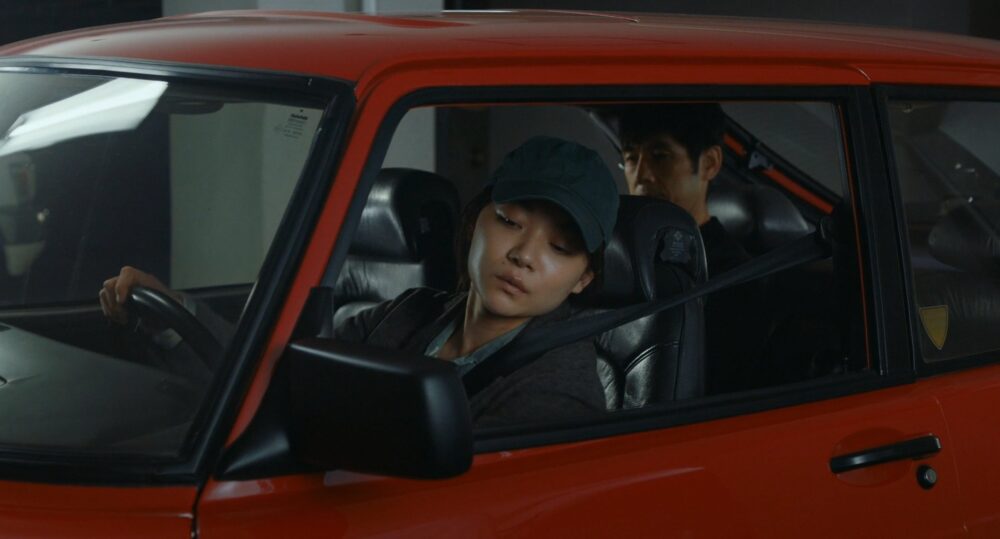
When you live for so long in apathy, are you really living, or are you simply existing? Kafuku eventually understands this rhetoric with the help of Watari, the young driver whose age moves him to say that she could well be his daughter. Initially indifferent toward each other (with Kafuku’s acquiescence to the theaterâs policy and Watariâs reticent personality); the pair later on warm up to each other. The initial icy silence in-between car rides gradually thaws, beginning with tentative small talks and graduating toward honest admissions of guilt.Â
We always hear that grief is simply unexpressed love, orâin one androidâs definitionââlove, perseveringâ. âDrive My Carâ examines one manâs grief, and how his predilection for compartmentalizing the pain just backfires eventually. Even early on, Kafuku never faced the possible reality of how his marriage with Oto would play out, for fear that he would lose her forever. Fast forward two years, and heâs filled with regret for not being able to say and do things he wished he could have done.
âIt’s Not Your Fault.”
More than this, however, Kafuku finds a kindred spirit in Watari. As they develop a close bond underscored not by romantic love but by their shared grief; he finally acknowledges the sorrow he has long buried deep. While he would normally camouflage his emotions behind a façade of calm, Kafuku realizes it’s time to face the music.
And as Watari comes to the same conclusion, she begins disclosing her regrets, too. For one, that long scar she has in her face is a painful reminder of a past she’s been running away from. These battered souls both realize that, despite the pain and heartbreak they experienced at the hands of the people they love, their decision to deny the existence of such emotions didn’tâand will neverâdo them any good.Â
Kafuku tells Watari, “If I were your father, I’d hold you ’round the shoulders and say it’s not your fault.” And we know he means it. But more than anything, we know to whom he actually wants to say it. His most muted silences all these years are in reality his loudest screams; and having Watari around this time helps him come to terms with what happened in his life and to move onâsomething he’d actively chosen to ignore.
‘Drive My Car:’Â Confidently Paced, Contemplative Cinema at Its Best
In 2021, Hamaguchi released two films that ended up among the best of the year. Whereas âWheel of Fortune and Fantasyâ deserves its fair share of plaudits; âDrive My Car,â along with its lionâs share of accolades, speaks of the latterâs acclaim. As the former focuses on a romantic drama anthology, the latter presents a slow-burn character study about forgiveness.
All of these speak of Hamaguchiâs skills behind the camera, with “Drive My Car” being the prime example. Here, the director adroitly balances moments of levity and epiphanies of pain; while also allowing long, uninterrupted takes to get under the viewersâ skin for a payoff that pierces, not only the body, but also the soul.Â
Of Being One of the Best Films of the Year
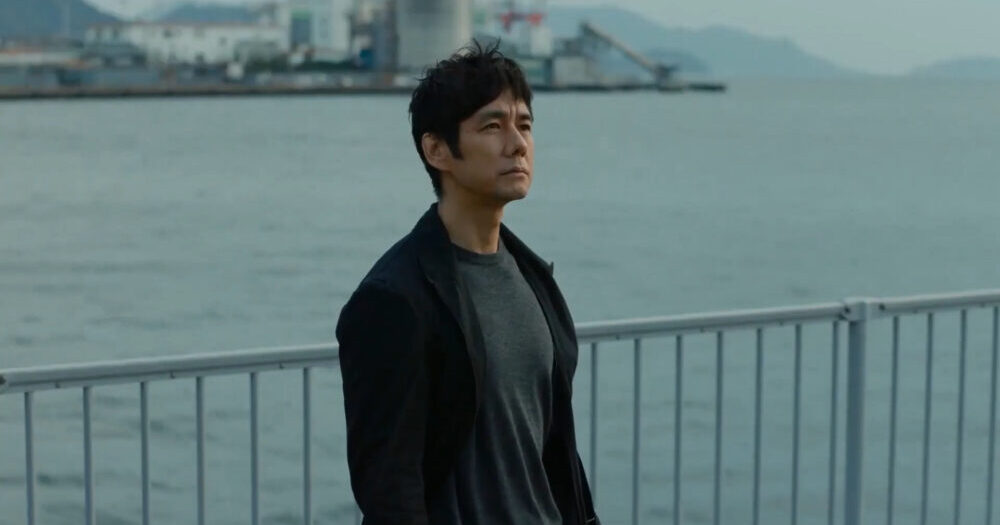
Itâs a dynamic that could only work from script to screen when filmmakers have talented actors in their hands. Fortunately for Hamaguchi, Nishijima and Miura are perfect for their roles. In particular, Nishijima deserves all the accolades for best actor this awards season. For all the debates about conflating âbest actingâ with âmost actingâ; âDrive My Carâ is a perfect example of how doing less pays dividends tenfold.Â
The filmâs final 20 minutes gives the audiences a catharsis thatâs among the most powerful in recent memory. From what was once a man living in apathy to someone who realizes they need to âkeep on livingâ; âDrive My Carâ earns its imposing runtime with a confidently paced story that not only refuses to rush toward the finish line; but also points out that âchoosing to liveâ might be the best reward Kafukuâand to a lesser extent, Watariâcould pursue for himself.
And while the film doesn’t explicitly show it, we know what theyâve finally chosen.
As a celebration of ruminative cinema, “Drive My Car” earns a place among the best films of 2021. And in this critic’s humble opinion, it’s the best of the whole lot.

We were not able to find any streaming options for “Drive My Car” at this time.Â
Support the Site: Consider becoming a sponsor to unlock exclusive, member-only content and help support The Movie Buff!


