From the director of âFYRE: The Greatest Party that Never Happenedâ comes another breakthrough documentary, âOperation Varsity Blues: The College Admissions Scandal.â The documentary is a shocking and intriguing account of how money, power, and manipulation can work their wonders in influencing the toughest of administrations in the most ingenious ways.
The Netflix documentary is one of the most impactful docs to be released this year. It follows Rick Singerâs (Matthew Modine) illegitimate, college-acceptance pathway scheme created to provide wealthy kids with an opportunity to join elite educational institutions in the U.S. Between 2011-2018, former basketball coach William âRickâ Singer allegedly received millions of dollars in âdonationsâ from several high-profile clients. Further, this was allegedly done with a promise to provide their kids admission to prestigious institutions. Targeted schools included Harvard, Stanford, UCLA, Yale, Georgetown, and USC.Â
Apart from Rickâs illegitimate business that ended with a media storm and legal showdown for many, the film goes further. It examines the flawed manner in which higher education is segmented in America and the world in general.
Insight into a scandal
The film gives us a subtle glimpse into Rick Singerâs professional and personal life, briefly covering his life journey until the time he reached the peak of his careerâright when his unlawful activities came under the FBIâs radar. Moreover, the documentary looks at his admissions scandal with a curious eye and a neutral angle.Â
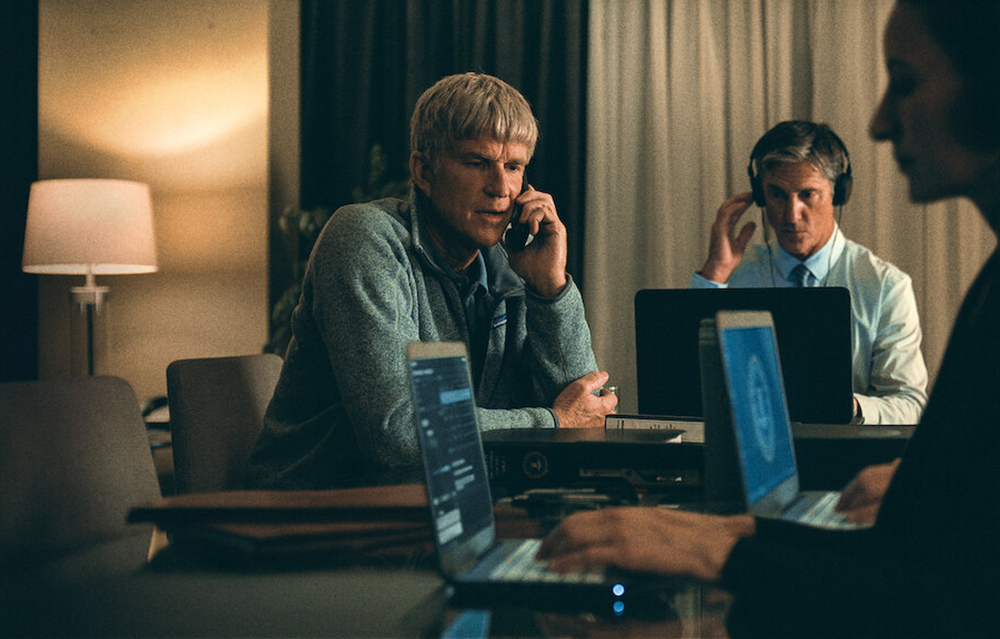
A striking feature of the film is viewers get to watch on-screen characters that closely resemble their real-life counterparts. These include Hollywood celebrities, lawyers, and businessmen who were involved in Rickâs dealings during the period. What comes from Operation Varsity Blues investigations is that the idea of profiting from selling college admissions was Singerâs brainchild. He bribed athletic coaches at various leading institutions to help rich kids gain entry to the most coveted college seats. Singer pulled this off by falsely presenting them as promising athletes to the schoolsâ admission committees.Â
A host of education counsellors, test-prep experts, lawyers, and journalists come forward and analyse Singerâs exploits. We find they agree on what made his deceptive trade possible. The deception took place due to one part-corruption and one part-lapse on the side of educational institutes, which allowed booking a âspotâ for a prospective students. They achieved this by paying hefty sums of money in âdonations,â and then presenting a fabricated version of their credentials.
Is education only for the privileged?
Singerâs success in playing the admissions game raises further questions, such as âIs quality education only for the privileged?â, âIs education really a commodity you can purchase?’, and âWhat happened to the meritocracy that used to rule educational institutions?âÂ
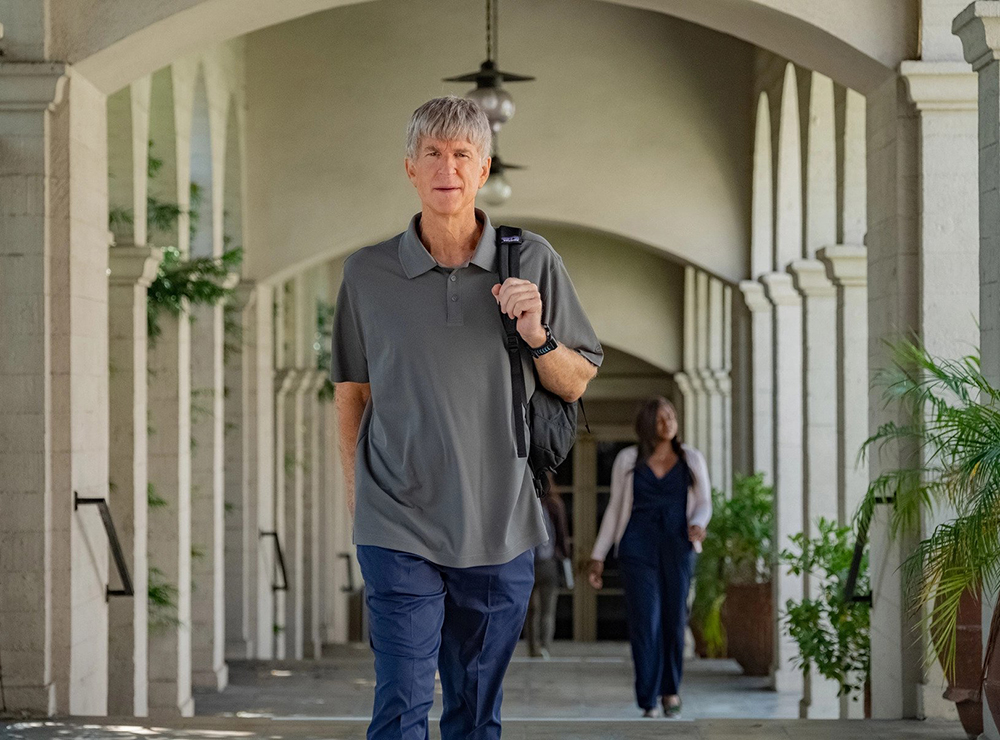
Further, the movie expresses worries on many factors that come into play when students plan their future and make decisions for their education. These include competitive races to enter elite institutions, standardised tests, and the pressure they bring to children and guardians. Also, several industry experts agree that the money “donated” by wealthy individuals influenced admission decisions, giving birth to a manipulated and biased system.
Even though the film is largely about Rick Singerâs illegal stints spanning a decade, it doesnât necessarily judge him to be a vile criminal. The film is objective. Singer gains equal appreciation for his talents and achievements as much as he attracts the spotlight for his deceptive tactics.Â
A broader perspective
The documentary has the subtlety of re-creating an episode of someoneâs life and allowing the audience their own opinion. It offers a vision. It’s up to viewers to take Singer for a con-artist or skilled craftsman who knows how to succeed in business. And as for its success, the film does far more than merely telling a true story. It doesnât arrive at any definitive conclusion, but offers questions and lessons worth learning in the 21st Century world.