âHillbilly Elegyâ is a powerful representation of familial complexities that often find their unwelcome presence in rural and underserved communities. The film paints an honest picture of the real-life challenges a human endures to save dying relations. Further, it gives a stark contrast between the wild-and-free spirit of rural and hill communities and the mannered conscience necessitated by the urban world. And although done subtly, it also holds up the value of personal resolve in breaking vicious, generational cycles that can haunt our past, present, and future.
An Account of Complex Family Circumstances
Ron Howardâs âHillbilly Elegyâ is the cinematic adaption of American author and venture capitalist James David (J. D.) Vanceâs memoir, published in 2016. By large, itâs a deep dive into J. D.âs childhood and early adulthood years marked with acute familial distress due to his motherâs substance abuse habits.Â
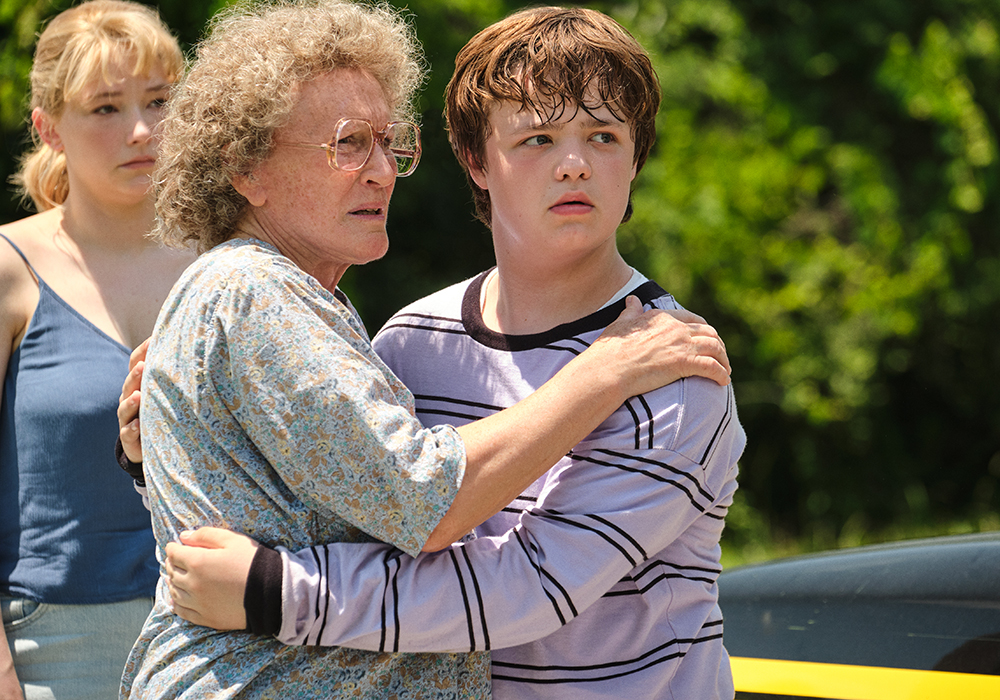
The movie builds a supremely creative depiction of a personâs helplessness in going through such undesirable life episodes. The audience gets to visually experience some of the most disturbing encounters young J. D. had with his family, especially his mom. Taking the Vance family as a backdrop, the film meets eye-to-eye with the idea that many of the personal habits and traits acquired by a person are often reflections of what âruns in the family.â It also brings to light the mental agony faced by kids who find themselves embroiled in toxic family conditions.
With Detailed and Relatable Characters
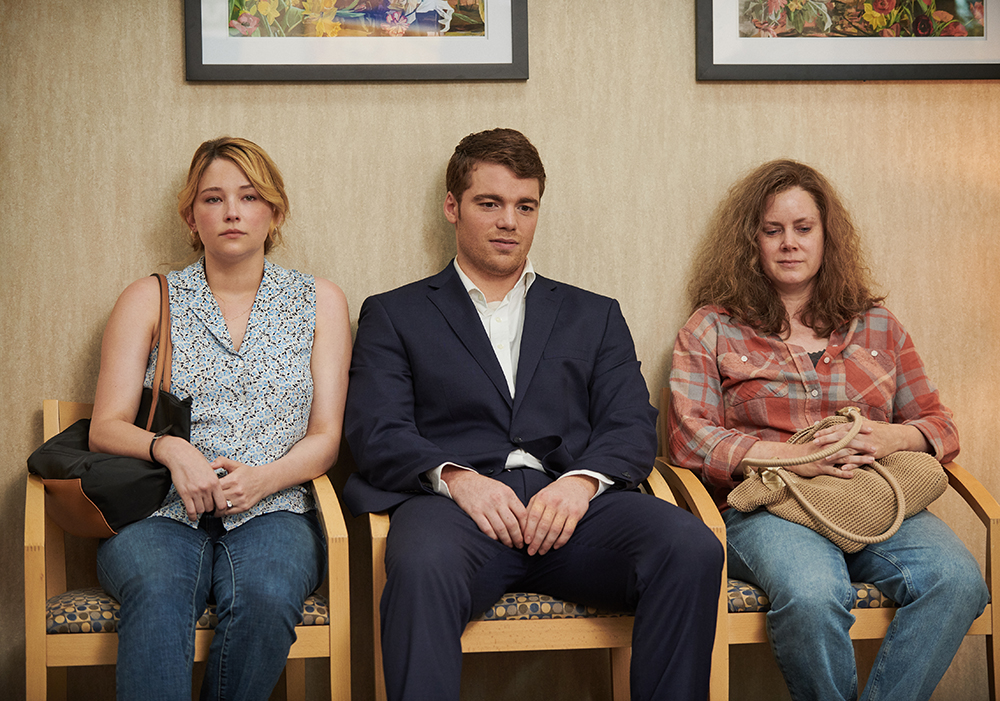
âHillbilly Elegyâ has a charming yet mature way of narrating a story that is irrefutably relevant to society and emotionally relatable for many of us. A powerful script and thoroughly detailed characters help deliver a power-packed performance right from the opening scene. With Amy Adams and Glenn Close playing Bev Vance and J. D.âs âmamaw,â respectively, the movie gets two of its main characters as a unique mother-daughter duo. Young J. D. is played by Owen Asztalos, whereas Gabriel Basso portrays adult J. D.Â
Flaunting some eye-popping makeover, Amy Adamâs striking avatar as the troubled Bev Vance is something worth paying attention to. She does an incredible job playing a single, hopeless, drug-addict mother of two, battling her circumstances and choices. Supported with great characterisation, the film has several interesting elements that break free from typical societal conventions. For instance, while J. D.âs mamaw becomes a pillar of support for him during turbulent times, his mother, Bev, struggles to keep her life on track due to her severe drug addiction and poor self-control.
Facing the Mirror of Truth
âHillbilly Elegyâ doesnât do injustice to its targets. Itâs surprisingly honest right from the beginning but still cannot be called âpredictable.â While some may regard it as âjust another family story involving drugs, bad choices, and hard times,â the filmâs coverage is visibly well beyond these aspects.Â
An honest judgement is that the movie does exhibit several attributes that make it a unique watch. It speaks volumes about family patterns and, in an explicitly negative sense, generational curses, which badly impact the life of everyone involved. It locks horns with the absurd relational troubles everybody faces at some point with one or more persons in their lives. The movie frequently gives reality checks to the main characters.
In a Fight for the Right Choice
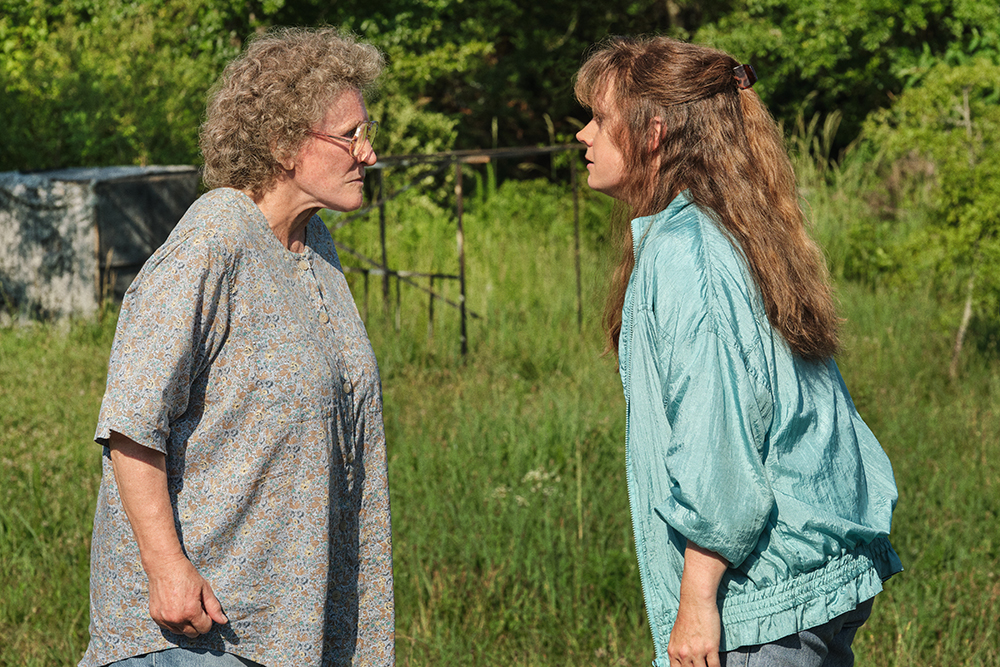
The film pours a lot of effort into creating an environment of relatability. Virtually every character find themselves in a tug of war, fighting to make a tough choice between the easy thing and the right thing. The idea that âthe choices we make for ourselves affect several livesâ has been well-respected by the filmâs core.Â
With âHillbilly Elegy,â you get to briefly follow a personâs life trail with both storms and rainbows waiting to meet you on the way. An inspiring story, characters close to the heart, and a dash of Ohio life make the film worth watching at least once.