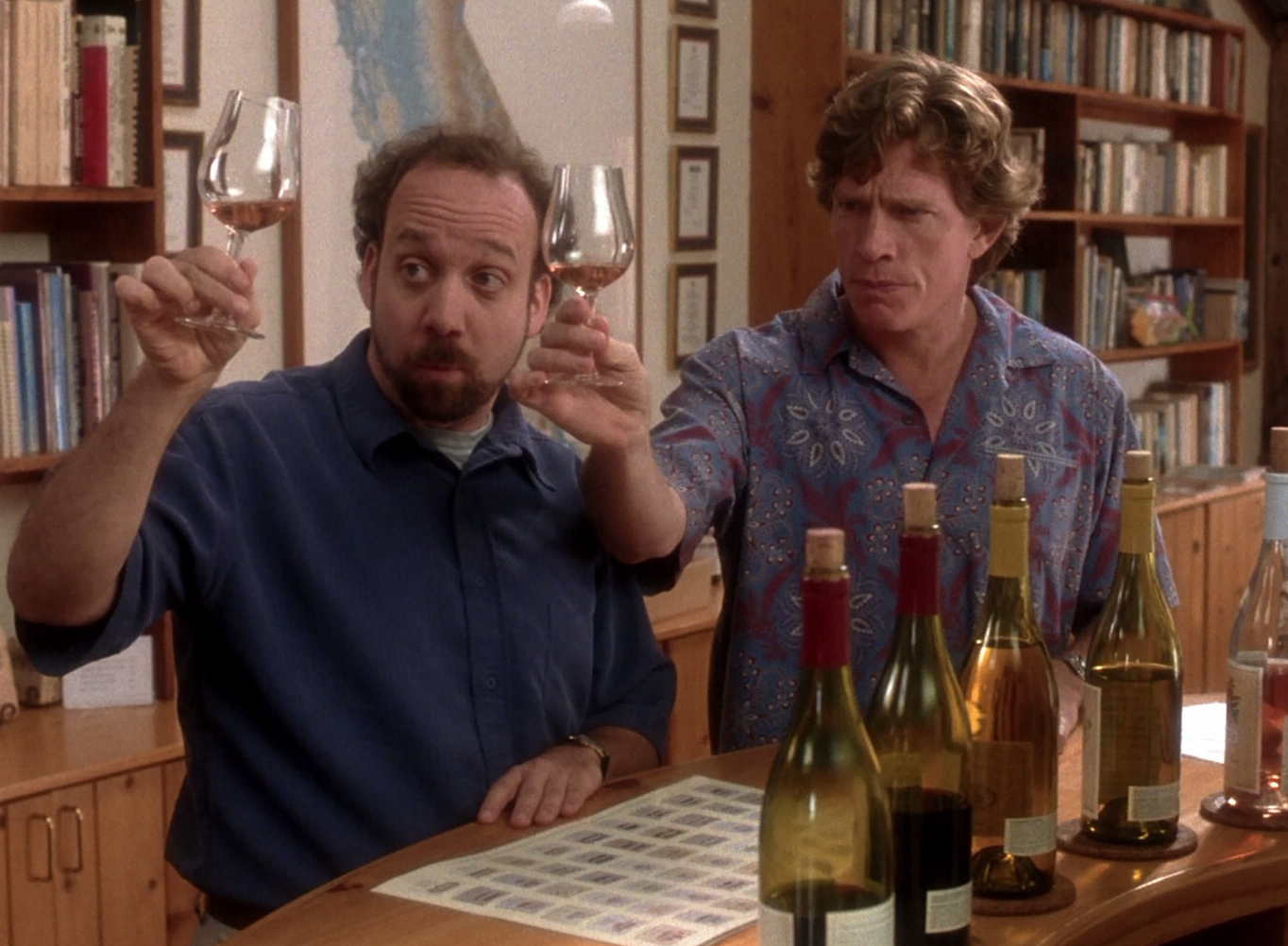
Alexander Payneâs 2004 film âSidewaysâ (based on the novel by Rex Pickett) ends much like it begins: in a sea of dysfunction-laden characters who will doubtless continue unhealthy cycles of living on repeatâ¦or maybe they wonât. Will Miles (Paul Giamatti) transcend his depression/anxiety/insecurity/post-divorce slump and finally make moves to change his life? Will his friend Jackâs (Thomas Haden Church), impending marriage into a well-to-do family finally make him happy and soothe the itch to be a wandering, hopeless debauch and unattached lothario? Answers arenât forthcoming here; and nor should they be. In a word, âSidewaysâ is a film that sheds its buddy comedy, weekend awayâ motif to become something more. Itâs a character portrait through-and-through: and one of the best films of 2004.Â
We see the characters early on as the movie starts. Miles is supposed to be to his friend Jackâs house to take a week-long trip to wine country before Jackâs marriage to the beautiful Christine (Alysia Reiner). Heâs late, of course, because he spent the night before out âwine tasting;â Miles is a wine connoisseur, although he sometimes likes the effect a little more than the taste. Heâs been reeling since his divorce from his ex-wife (Jessica Hecht) two years ago. Heâs a middle school english teacher who wants to be a writer but keeps getting rejected. He drinks triple espressos, reads the New York Times, and pronounces croissant like French people do, âkwaa-sont.â He also steals money from his mother sometimes and lives by antidepressants.Â
Jack is a simpler man. He wants this road trip to get away and have one last fling before his marriage to Christine. He also likes wine, but likes it in a simple way that has the effect to irk wine snobs. Wines that Miles states are sub-par or worse, Jack states with child-like confusion, âtastes good to me.â Heâs a struggling actor; he used to play a major lead on âOne Life to Live,â but now only does bank loan and skin ointment commercials. He wants to commit to Christine, but doesât know if he can. He also wants to live vicariously through Miles: itâs his goal, on his last week away before his wedding, to âget Miles laidâ as a groomâs gift. The target in sight is Maya (Virginia Madsen), a lovely waitress at a restaurant in California wine country who has almost everything in common with Miles he could hope forâthough Miles would be the last to know.Â

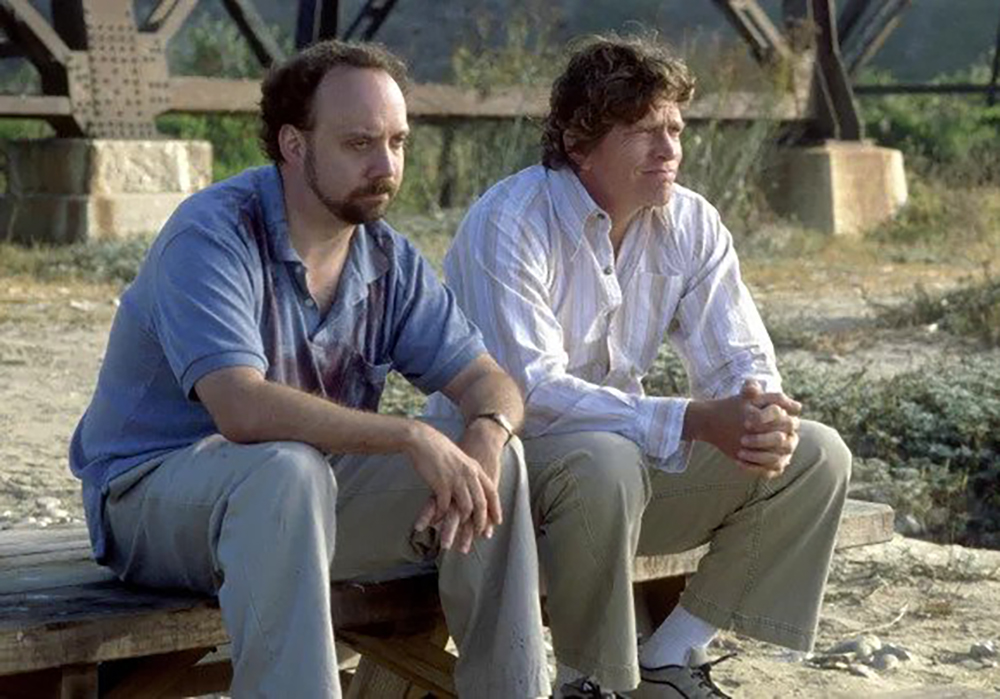
What works about âSidewaysâ is it doesnât try to be what itâs not. This is not a film to watch for plot twists at the end, or discover neat, sewn-up conclusions that will make everything okay for everybody. Jackâs âplight,â as he calls it, is one point of the movie; Miles being âstuckâ is the other. Thereâs comedy sprinkled throughout, some of the funnier instances the various times Jack chastises Miles for being too uptight, or Milesâ various meltdowns when his inner-core is threatened, but the film also offers more. Jack, despite his debauchery, is outgoing and confidentâthe very things Miles wants to be but canât. But Jack also understands a good deal more. He doesnât understand fine wine, movies, and literature, but he understands what drives Milesâ melancholy, even if his presentation is a bit lacking.Â
The performances, writing, and direction makes âSidewaysâ what it is, and the film indeed did win an Oscar for âBest Writing, Adapted Screenplayâ and a slew of other film festival wins. Giamatti and Haden Church are perfect together, sharing a chemistry not seen to this degree in some time. Giamatti, usually dynamic, his greatest skill here is showing Miles for all he isâdespite the neurosis, despite his failures, and despite himself. With weaker writing, heâd be a caricature (in one scene he laments, after a rejection letter for his writing that, âIâm so insignificant I canât even kill myselfâ), but here comes off as authentic and true. Who canât understand a mid-life crisis where every wrench and even the kitchen sink are thrown at you in tandem?
Haden Church is equally great. And while he has hitherto had many a supporting role, here is able to come out of his skin and show us something this side of brilliant. Haden Churchâs Jack is confident and full of himselfâuntil he isnâtâand we see the rabid insecurity lurking under Jackâs veneer. Heâs a box full of mismatched tools, lecturing Miles on letting go and trying something new while literally petrified to be married (and equally petrified not to be), and telling his friend never to give up on his dreams while being drawn, magnetically, towards leaving acting and doing just that.Â

But, under it all, Miles and Jack are just real. These are people youâd meet in a bar, at your work, in you neighborhood, etc., if you just got to know them. They experience clichéd emotions, but clichéd only because they are so real. Director Payne doesnât moralize themâeven when they behave badlyâbut merely lets us understand and sympathize.Â
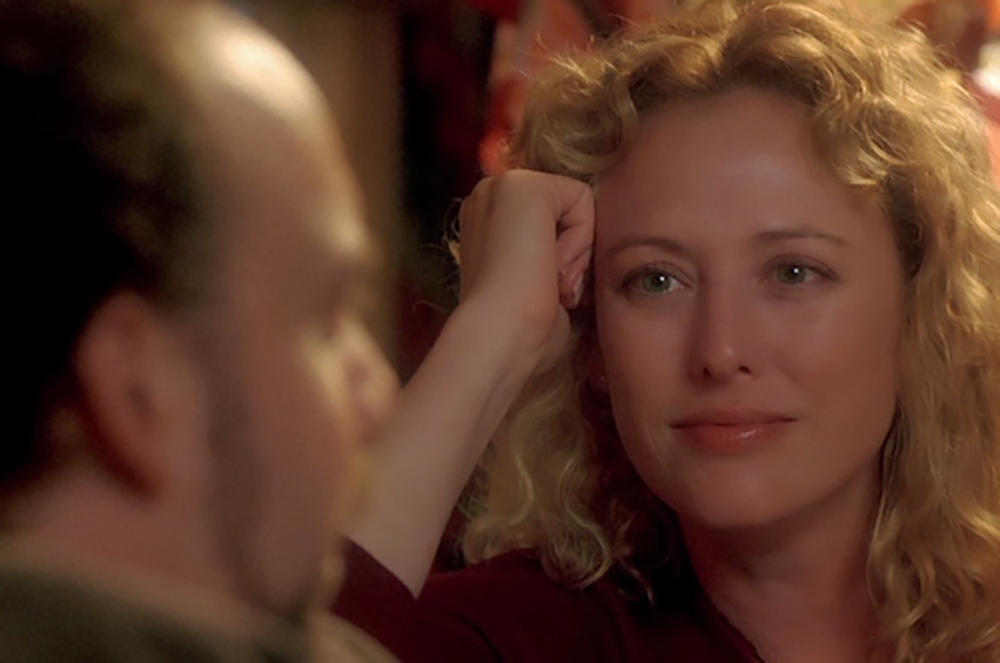
Alongside them, Madsen, as Milesâ love interest, and Sandra Oh, as Jackâs âconquestâ Stephanie are perfect in their roles, and, smartly, are written as well and inclusive as their male counterparts, even if âSideways” isnât really about them. They offer varying degrees of complication; and just as the audience may question why Miles and Jack are friends, the same lens is cast on Maya and Stephanie. These are just people, people trying to find their way in life, and âSidewaysâ is shot like a painting youâre meant to look at and contemplate, but never fully understand. Itâs more indie than Hollywood is used to seeing, and thatâs a good thing.Â
âSidewaysâ is a wonderful film. Itâs full of the kinds of thingsâsuch as friendship, camaraderie, and laughsâthat draw us into a picture like this, but offers deeper treasure that slowly works its way in. Itâs highlighted by a lighthearted soundtrack and cinematography by Phedon Papamichael that makes California and wine country warm, bright, intoxicating, and full of possibilities and desire (if youâre a wine lover, and you donât want a glass after watching this film, thereâs something wrong with you). Its sun-soaked bliss swirls around its lurking dramas, and even âSidewaysââ slight predictability is forgivable among its greater treasures. Its ending is pensive and perfect; and the rest of it is indeed a trip worth taking.Â