I have a New Yearâs resolution for filmmakers out there â letâs cool it with the environmental-based apocalypse films, okay? The genre is getting tired and Netflixâs âIoâ isnât doing it any favors.
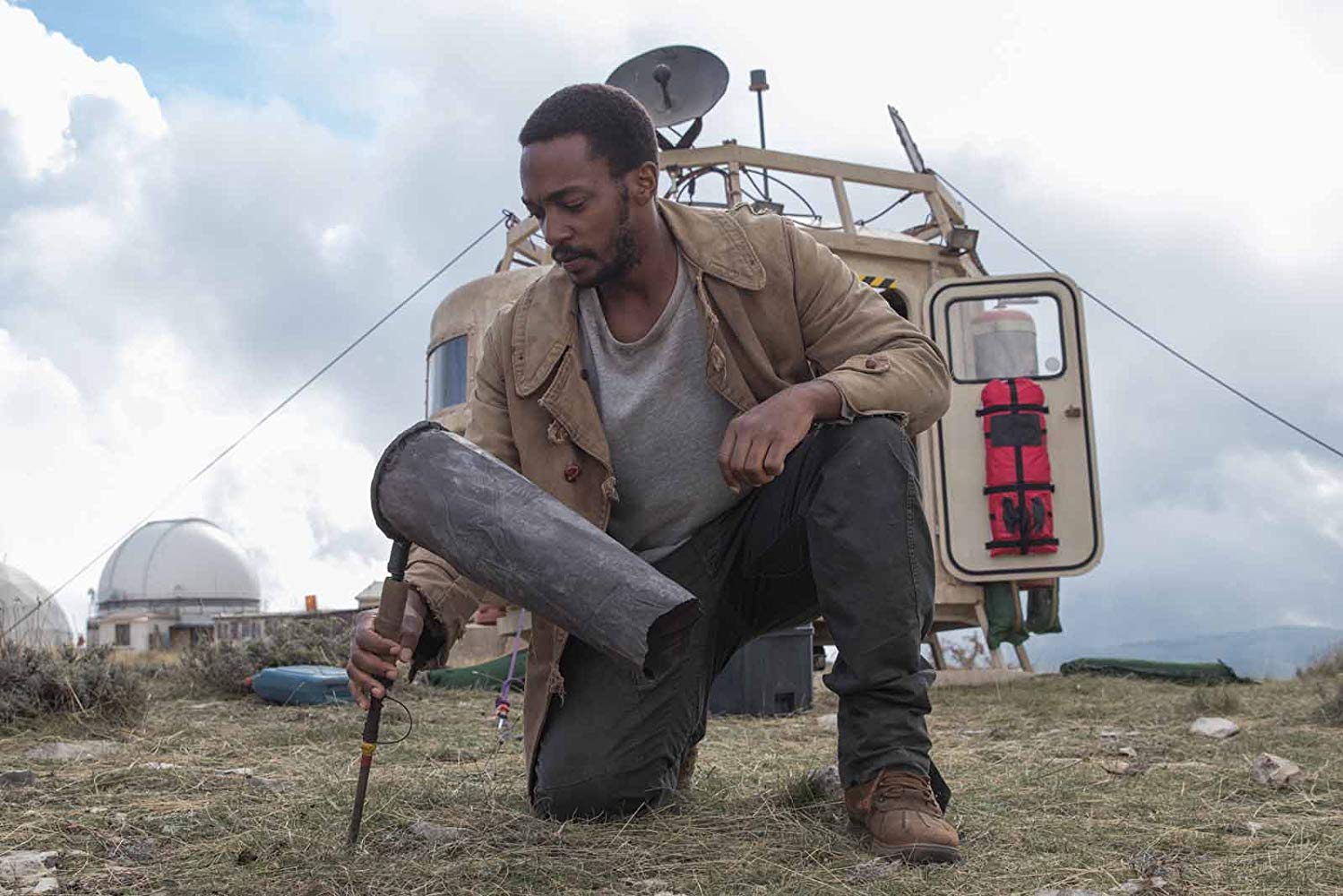
âIoâ tells the story of life after Earth. Sometime in the near future, Earthâs atmosphere composition changes unexpectedly and drastically, killing many and driving the rest of the population to flee to Jupiterâs moon, Io. Sam Walden (Margaret Qualley), daughter of a famous scientist, opted to stay behind on her to continue her fatherâs work of proving Earth is healing itself and can sustain life again. One day, Micah (Anthony Mackie) descends from a make-shift hot air balloon looking for Dr. Walden. The two team up and decide to catch the last shuttle off earth to Io.
Christopher Nolanâs âInterstellarâ really set the standard for this niche in the post-apocalyptic genre â Earth dies, and we look to the stars for hope. A select few characters race to save Earth and we focus on their relationships with one another. âIoâ desperately tries to pull off the magic that movies like âInterstellarâ created, but falls flat. The level of effort that director Jonathan Helpert puts into the film comes off with a tinge of self-importance.
The script is woefully dull. Post-apocalyptic films typically have a special advantage over other films. As they are rooted in survival, there is bountiful opportunity for rich, character-driven stories. With nothing left to lose, the best and the worst should come out in characters. But âIoâ has the depth of a high school studentâs short story on climate change. You know a script lacks originality when it opens with (yet another) voiceover on how we destroyed Earth.
By default, this means Qualley and Mackie donât have much to work with. Qualley carries the first 30 minutes of the film completely on her own. Oddly, Qualley gives her best performance when she is on her own. She exudes a quiet resilience as we watch her fight to uphold her fatherâs work. Once Micah arrives, the dialogue becomes downright cringey.

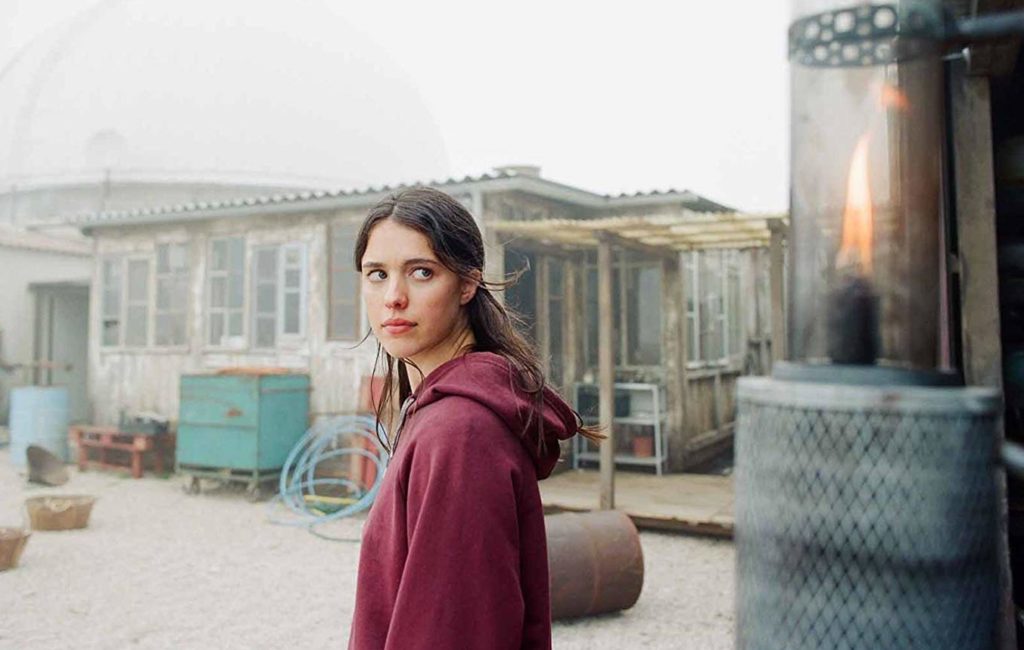
You can only watch two characters swap one-dimensional monologues on survival and quote poetry for so long. Mackie even appears to drop his voice an octave or two during his lines of dialogue, almost as a strategy to come off as more serious (think the scene in âAvengers: Infinity Warâ where Star-Lord drops his voice an octave to appear more manly than Thor). And letâs not even get started on the lack of chemistry between Mackie and Qualley. The duo doesnât even appear to try and play off each other in their scenes together. Naturally, the film forces Sam and Micah together (because whatâs a good post-apocalyptic film without romance?). While we donât see an actual love scene between the two of them, the prelude to the moment was so uncomfortable that I had to look away.
âIoâ isnât all bad. Frankly, the camera work is beautiful. The stark contrast between the completely ravaged earth and the clean pocket of air on the hill Sam lives on is breathtaking. But unfortunately, a movie needs to be more than something to look at. And that is all âIoâ is.
-by Brynne Ramella