





The WWII era makes for some fascinating films. I sometimes like them more when they have different perspectives or depict main conflicts other than with the German Reich.
“The Zookeeperâs Wife“Â is the former, offering a womanâs perspective on the war from a heroic woman, which makes this unique. It tells a behind-the-action tale set during Germanyâs Invasion of Poland, also offering a point-of-view of the war from those affected in Warsaw, Poland.
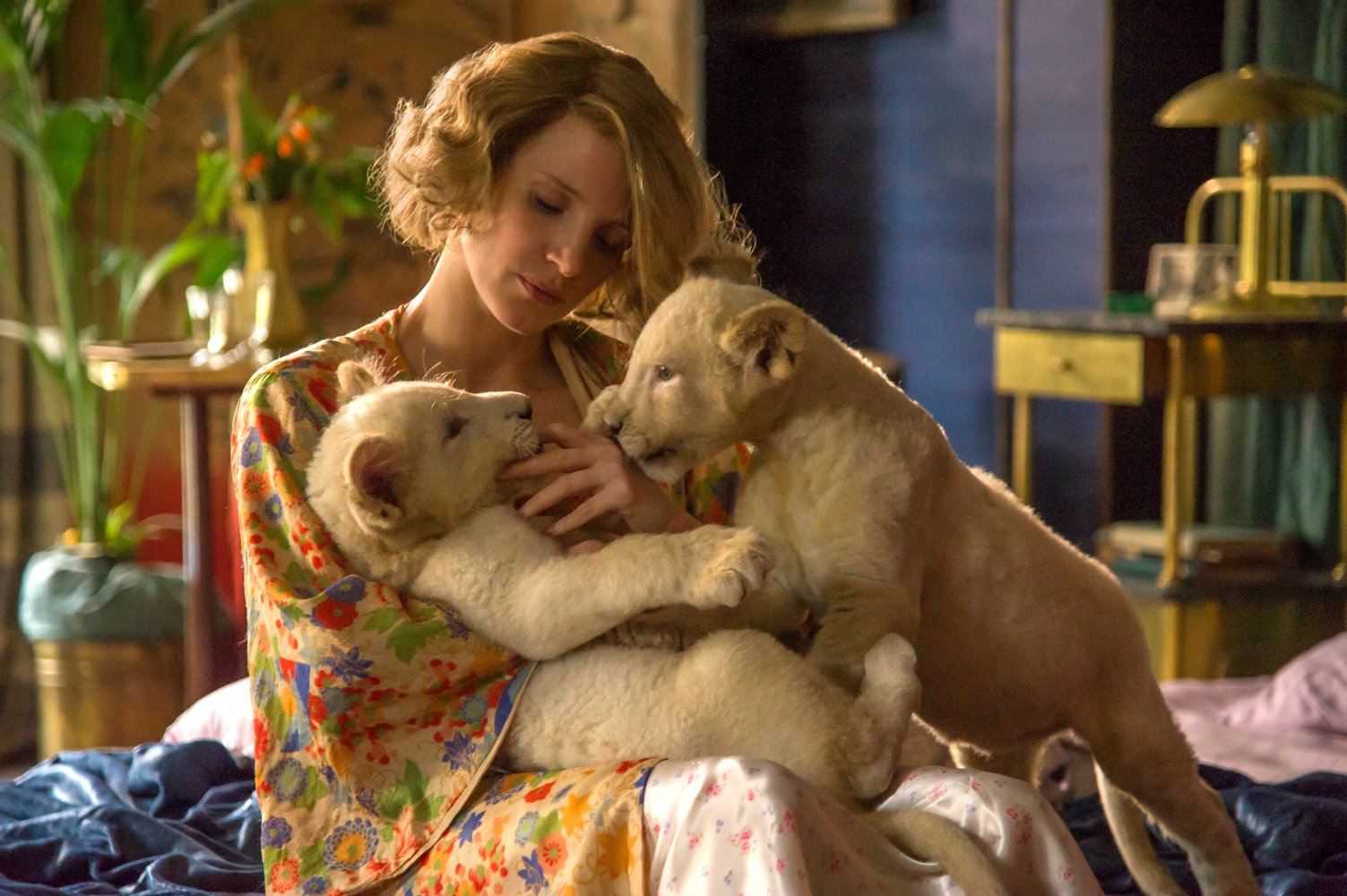
Antonia (Jessica Chastain), a sympathetic animal lover, and Dr. Jan Zabinski (Johan Heldenbergh), the zoo director, are the keepers of the Warsaw Zoo, one of Europeâs most thriving zoos in the 1930s.
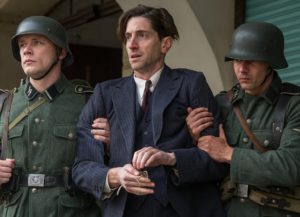
Their world changes in September 1939 during the German invasion of Poland, as bombs damage the zoo and kill many of its animals. As Polish resistance collapses, German forces began to use the zoo as a base and it effectively closed the zoo.
Despite the Nazis being in their backyard, they essentially created a temporary haven for Jewish people to evade German forces.
“The Zookeeperâs Wife” is beautiful because of the Zabinskiâs sheer bravery â and director Niki Caro earnestly captures their humanity. Their humanity is not only the focus but the filmâs beating heart, and it doesnât flatline.

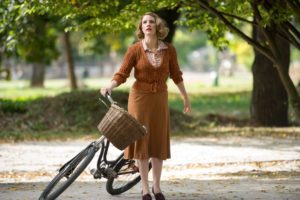
The filmâs a celebration of Antoniaâs bravery. Caro directs a stellar cast, and Chastain is the strongest link. She gives a performance thatâs sympathetic, earnest and moving. Sheâs fantastic and elevates the forgettable screenplay to new heights.
Johan Heldenbergh is good as Jan, though you donât get to know his character well enough â and he feels like an extension of Antoniaâs bravery and humanity. The female characters are stronger, and Antoniaâs the star of the show. I liked scenes that express her sympathy for animals and general compassion. Itâs a shame that the film about her life feels so unremarkable.
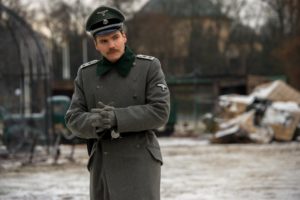
Daniel Brühl plays Dr. Lutz Heck, the filmâs antagonist and Hitlerâs zoologist, who is the keeper of the Berlin Zoo. Heâs forgettable and I just call him the Nazi zoologist. Brühl is good, but Heck isnât a good villain.
He has compassion one minute, like bringing the prized animals of the Warsaw Zoo to his zoo in Berlin since it has more resources. Then out of the blue heâs cruel and comes back to the zoo and shoots a beautiful eagle and casually tells a soldier to have it stuffed and mounted.
Creative choices done for his character are bad fictional aspects. The addition of the Hollywood fiction weighs it down, since Zabinskiâs story seems fantastical enough on its own.

One of the main problems are random scenes that feel like they come right out of left field. Developments come with little introduction and granted, it might be because itâs fitting six years of story into two hours of film, but the editing disjoints the storytelling.
In one scene the Zabinskiâs have hanky panky and when youâve forgotten that sheâs nine months pregnant when we see her again and going into labour. Thereâs not even a discussion of the pregnancy or anything. I was questioning if Iâd missed something or if it was some sort-of immaculate conception.
Thereâs a lot that happens in the film but itâs unraveled slowly and pacing becomes an issue. It would have been great if everything moved faster, and the dropping of boring sub-plots would have brought it well under two hours. At least it has really cute lion cubs.
“The Zookeeperâs Wife” doesnât have the impact a film like this should possess, and feels light because of it. The storyâs beautiful but itâs a shame that the writing doesnât match the passion and beauty of Antoniaâs story, as it ends up feeling unremarkable. There are a few moving scenes â namely when they get a glimpse into the scope of how many people theyâre helping.

It also doesnât feel mature enough. There are moments that could depict human horrors which would have packed a heartbreaking punch. Chastain delivers a monologue about how people are evil and animals are great, and it would have made the scene have even more impact if we could have seen some of the human evil that sheâs talking about. Instead, the film shies away from moments, and it feels like itâs missing out on great opportunities.
– by Daniel Prinn


