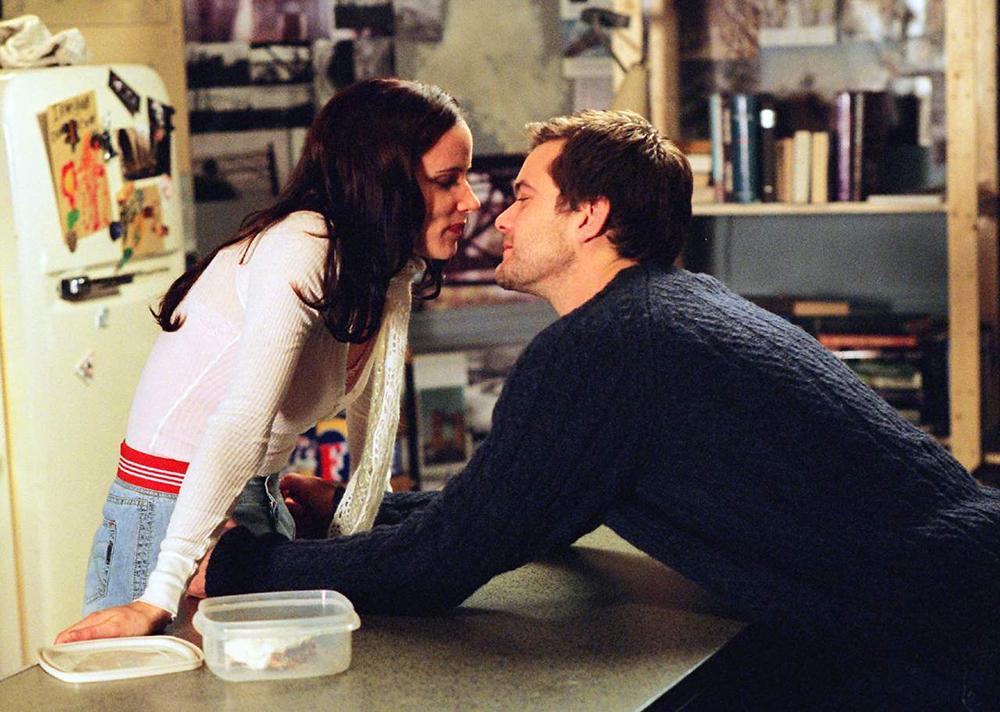
It often takes a good movie to bring out the charm in some of Americaâs overlooked cities and small towns. These movies can bring out this same type of charm in their characters, too. Often these locations are works of fiction. Take, for instance, the Cohen brothersâ 1996 classic “Fargo,” or David Gordon Greenâs “All the Real Girls,” both which highlight the lives of people living in wintery loneliness or foundry-era suburbia. However, sometimes real locations, ones that often escape the eye of many a Hollywood lens, can have the same effect. Director James C.E. Burkeâs 2005 effort “Aurora Borealis,” is an example of this, a movie that introduces us to a handful of characters we quickly learn to love, blanketed in the wintery backdrop of cold Minneapolis. However the film is familiar. It touches on tones that affect us all, and is not one audiences will likely forget.
We are introduced to Duncan Shorter (Joshua Jackson), who is struggling to hold down a job while emotionally supporting his older brother Jacob (Steven Pasquale), and trying to move on to the next phase of his life. He has a group of friends he has known his whole life, who spend their time shifting between watching the Vikings at pubs and playing hockey inside of Finnâs (Tyler Labine) warehouse store. Minneapolis (which Duncan remarks gains its appeal from outsiders who want their life to be like a Replacements song) quickly becomes a place we could get comfortable in. Itâs routines, its aura, and its familiarity all become something we want to experience and grab onto. Only âAurora Borealisâ has different plans for us. And for Duncan.
‘Aurora Borealis’ is Indie Through-and-Through
Duncan takes a job in a senior citizen apartment complex as a handyman, first, because he needs the money, but later, to be close to his grandparents. They are played by Louise Fletcher as Ruth, and Donald Sutherland (who has never been better) as Ronald, a man who stands a generation above twenty-something Duncan; but he’s in a position to provide a family, a friend, and possibly long-sought answers on the tragic passing of Duncanâs father David ten years prior.
âAurora Borealisâ is not the type of film you can describe by plot. Sure, it has some familiar dramatic mechanisms (the growth of Duncan and Ronaldâs relationship as Ronaldâs dementia worsens and his death becomes more imminent, as well as the addition of a possible love interest for Duncan in the form of a visiting nurse), but it has something more that can only be brought by top-notch character development and acting.
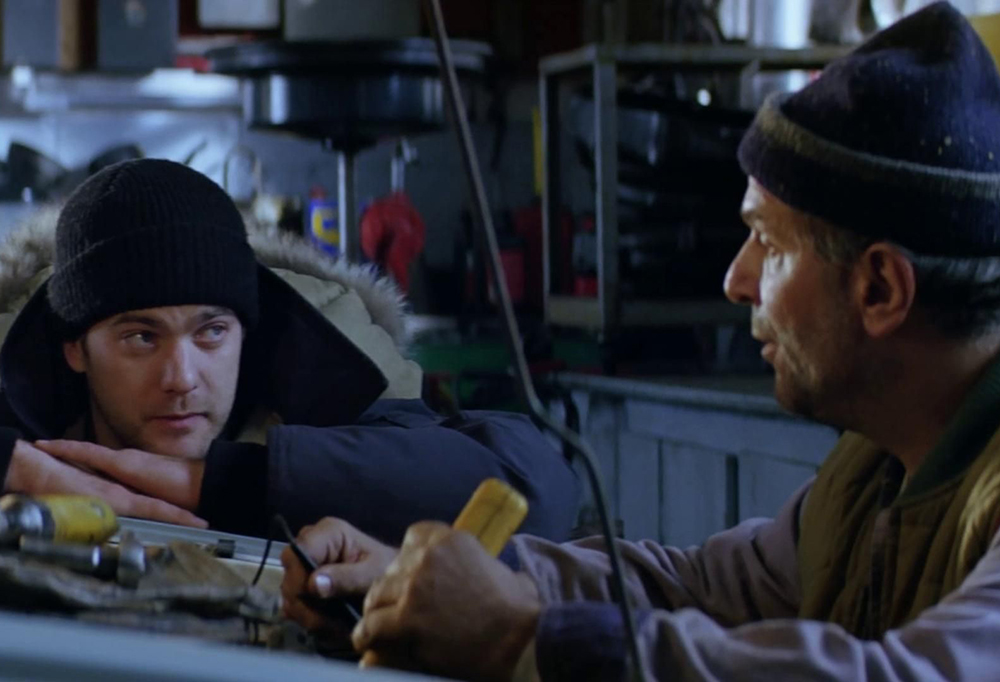
As Duncan, Joshua Jackson brings a charm and a depth to the role that was only hinted at during his run on the popular TV show “Dawson’s Creek” that preceded this film. His scenes are wholly relatable; ranging from the ordinary to the ones none of us would hope to be in. For instance, scenes where he spends time with his friends or begins a relationship with his grandfatherâs caretaker, Kate (Juliette Lewis) are the stuff of ordinary life. However othersâas when he contemplates helping his grandfather end his sufferingâare the kinds of situations we never contemplate until they are right in front of us.
Joshua Jackson and Donald Sutherland ShineÂ
Jacksonâs acting is spot on, blending the insecurity and humor that made âDawsonâs” Pacey Witter an engaging character, while adding a depth appropriate for the filmâs more serious turns. Heâs backed by good performances throughout, from Louise Fletcher, to Juliette Lewis, to even the sparse scenes given to Pasquale, who matches Jacksonâs performance shot for shot. This is especially true as the movie and the script become more demanding during the filmâs third act.
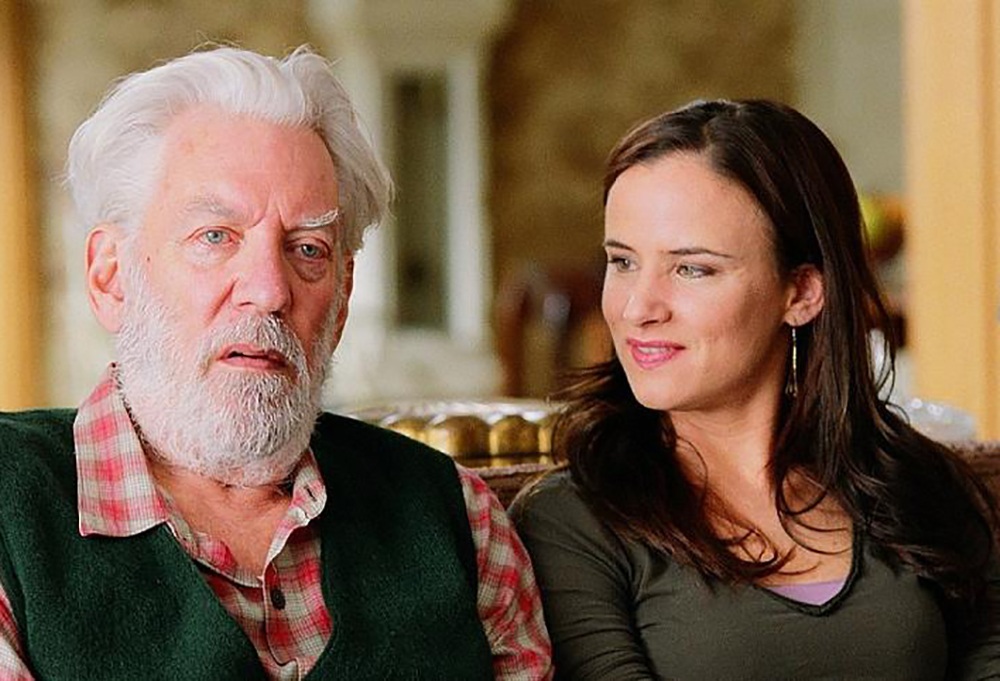
Given the solid performances throughout, itâs hard to single out a best actor; but if we must, the accomplishment should go to Sutherland, who does such a wonderful job as Duncanâs ailing grandfather, itâs almost impossible to remember him as the drunkard Lucien Wilbanks in “A Time to Kill,” or sinister President Snow from âThe Hunger Games.â Sutherland brings an authenticity to the role; and no matter what the circumstance (reminiscing with Duncan, trying to improve his memory, or, later, wishing to end the suffering his struggle with Alzheimerâs has on his wife and family), Ronald Shorter becomes someone we can easily sympathize with. Sutherland makes us laugh, when the occasion calls for it. There are others, however, where he pulls at our heartstrings almost too well, a credit to not only his acting, but the solid script brought to us by writer Brent Boyd.
Minneapolis as a Way of Life
âAurora Borealisâ is the type of movie you find by accident. I rented it on a whim, and was pleasantly surprised. The best films are often like this; they’re not often popular and on our radar, but line the bottom of Hollywoodâs gene pool, really only known to those who follow the film festival crowd. However, the film has much to offer. Itâs acting is superb, itâs characterization subtle and warm, and itâs location and focus expertly drawn. Additionally, it features a fantastic soundtrack, highlighted by artists like Bob Dylan and Paul Westerberg, and makes Minneapolis a way of life rather than a cold, bustling city. If youâre a fan of slow moving, gradual dramas, Donald Sutherlandâs acting, or are just after a movie that might surprise you, âAurora Borealisâ is a film you really shouldnât miss.